
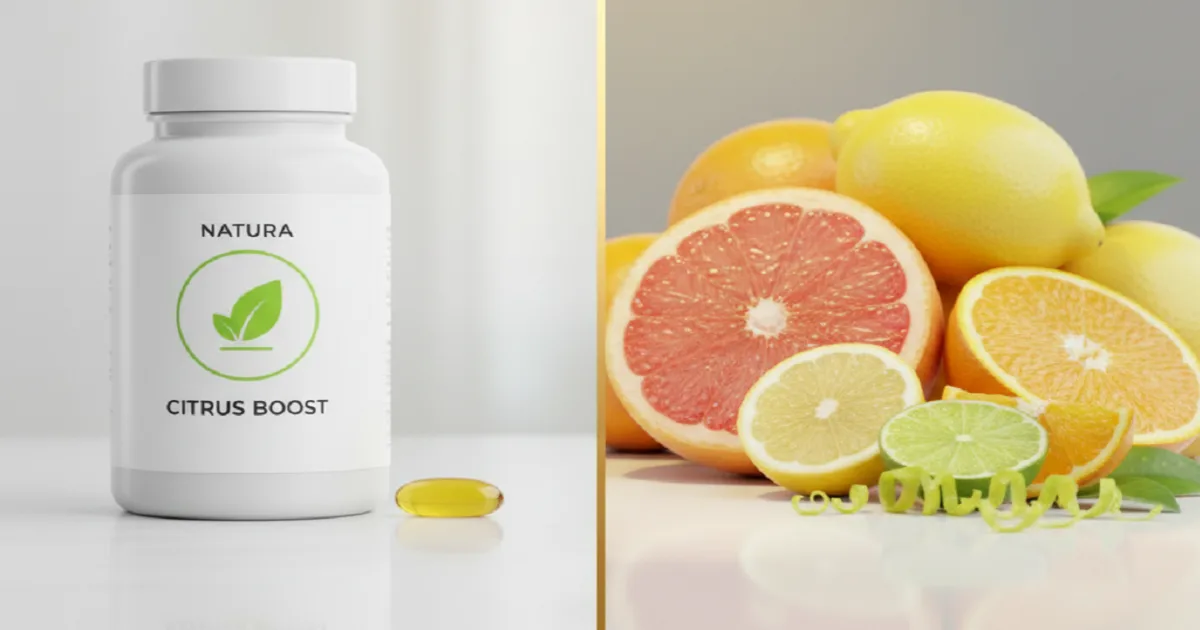
CitrusBurn reviews have been flooding my inbox for the past several months, alongside questions about a growing category of citrus metabolism boosters that promise to trigger fat breakdown using grapefruit and orange extracts. As someone who spends their professional life working with these ingredients in a functional kitchen context, I have a perspective on this trend that most supplement review sites do not offer: I know what citrus actually does in the body because I work with it daily, and I know the difference between what a polyphenol-rich lemon peel can deliver and what a compressed tablet claiming to contain the same compounds is likely to provide.
Today we are looking past the CitrusBurn reviews marketing to examine what citrus polyphenols actually do for metabolism, where the real concentration of those compounds lives in the fruit, and how to access those benefits through real food at a fraction of the cost of any monthly supplement subscription.
Table of Contents
What is CitrusBurn? (And Why Everyone is Searching for It)
CitrusBurn and supplements in its category are built around a legitimate piece of nutritional science: citrus fruits contain bioflavonoids, specifically hesperidin from oranges and naringin from grapefruit, that have been studied for their effects on lipid metabolism, insulin sensitivity, and thermogenesis. The marketing premise is that concentrating these compounds into a capsule or patch allows you to access metabolic benefits without changing your diet.
The specific mechanism these citrus metabolism boosters claim to trigger is lipolysis, the enzymatic breakdown of stored triglycerides into free fatty acids that can be used for energy. Hesperidin and naringin do have documented effects on enzymes involved in lipid metabolism in cell and animal studies. The translation of those effects to meaningful fat loss in humans through a supplement, however, is significantly less clear than the CitrusBurn reviews category typically suggests.
The Joyful Bite reality check on any supplement in this category is always the same: a supplement is only as good as the dietary context it supports. Citrus polyphenols extracted into a capsule and consumed alongside a diet high in ultra-processed foods, refined sugar, and seed oils will not overcome that metabolic environment. The same compounds consumed as part of a real food diet rich in fiber, diverse phytonutrients, and quality protein will contribute to a metabolic picture that is already moving in the right direction.

The Science of Citrus Polyphenols: More Than Just Vitamin C
The most important thing most CitrusBurn reviews get wrong is where the metabolic value in citrus actually lives. It is not in the juice. The juice of an orange or lemon contains vitamin C, natural sugars, and small amounts of bioflavonoids. The real concentration of hesperidin, naringin, and other citrus polyphenols for weight loss sits in the peel and the white pithy layer just beneath it, the parts that most people discard without a second thought.
The peel of an organic lemon contains significantly higher concentrations of limonene, hesperidin, and eriocitrin than the juice. These compounds have been studied for their effects on thermogenesis, the process by which the body generates heat through metabolic activity. Certain citrus compounds appear to mildly upregulate thermogenic activity in brown adipose tissue, contributing to a slightly elevated metabolic rate over time. The effect is modest and works cumulatively over weeks rather than producing immediate dramatic results, which is why it fits into a real food approach rather than a quick fix supplement narrative.
This natural thermogenic action from citrus peel benefits works as an excellent complement to other functional strategies in your daily routine. The Baking Soda Trick article on this site explores how managing the internal digestive environment supports these same metabolic reactions, and citrus bioflavonoids work synergistically within that same biochemical context.
According to a review published in the National Library of Medicine, hesperidin and naringenin demonstrate significant antioxidant, anti-inflammatory, and lipid-modulating effects in human studies, with the strongest evidence for cardiovascular and metabolic benefits coming from whole food consumption rather than isolated extract supplementation. Read the full review here: National Library of Medicine

The Chef’s Alternative to CitrusBurn Patches and Pills
The whole food synergy argument against citrus supplements comes down to one word: fiber. When you consume a whole citrus fruit or use its zest in a recipe, you get the bioflavonoids alongside pectin, a soluble fiber that slows gastric emptying, feeds beneficial gut bacteria, and modulates the rate at which the polyphenols themselves are absorbed and metabolized. That fiber matrix is entirely absent from any citrus supplement, and its absence matters for both the metabolic effect and the gut health implications.
The natural fat burner approach I recommend starts in the kitchen with one simple daily habit: a Metabolic Citrus Infusion.
Here’s the simplest way to reap the metabolic benefits of citrus fruits right from your kitchen, without relying on supplements.
PrintMetabolic Citrus Infusion
Metabolic Citrus Infusion is a simple functional drink made with fresh organic lemon zest, warm water, and optional ginger or hibiscus. It is designed to support metabolism, hydration, and digestive balance using whole citrus compounds instead of expensive extract supplements.
- Prep Time: 5 minutes
- Cook Time: 0 minutes
- Total Time: 5 minutes
- Yield: 1 serving 1x
- Category: Drink
- Method: Infusion
- Cuisine: Functional Nutrition
- Diet: Gluten Free
Ingredients
- Zest of 1/2 organic lemon, unwaxed and thoroughly washed
- 300 ml warm water
- 1 thin slice fresh ginger, optional
- A few dried hibiscus petals, optional
Instructions
- Wash the lemon well and zest half of it.
- Warm the water until comfortably hot but not boiling.
- Add the lemon zest to a cup.
- Add the ginger slice or hibiscus petals if using.
- Pour the warm water over the ingredients.
- Let steep for 5 minutes.
- Strain if desired.
- Drink slowly before your first meal of the day.
Notes
Use organic unwaxed citrus whenever possible since the peel is the functional part of this recipe. Avoid grapefruit versions if you take medications that interact with grapefruit.
Nutrition
- Serving Size: 1 cup
- Calories: 5
- Sugar: 0g
- Sodium: 2mg
- Fat: 0g
- Saturated Fat: 0g
- Unsaturated Fat: 0g
- Trans Fat: 0g
- Carbohydrates: 1g
- Fiber: 0g
- Protein: 0g
- Cholesterol: 0mg
For a more elaborate real-food metabolic approach using citrus and berry polyphenols together, the Purple Peel weight loss method on this site is a DIY approach that combines anthocyanins and citrus compounds for a synergistic effect that no single-ingredient supplement replicates. The Purple Peel article explains the full science behind why combining purple and citrus pigments creates a more comprehensive polyphenol profile.
Citrus and Blood Sugar: A Natural Partnership
One of the most clinically supported benefits of citrus bioflavonoids, and one that CitrusBurn reviews rarely emphasize clearly, is their effect on insulin sensitivity. Naringin in particular has been studied for its ability to improve glucose uptake by cells and reduce fasting blood glucose levels, effects that are relevant not just for weight management but for the foundational metabolic health that underlies both.
The mechanism involves inhibition of certain enzymes involved in glucose absorption in the small intestine, similar in principle to some pharmaceutical approaches to blood sugar management. The effect is modest in isolation but becomes meaningful when citrus consumption is regular and supported by a diet already low in refined carbohydrates and ultra-processed ingredients.
If you are using a Natural Mounjaro Recipe or other gut-targeted functional approach, adding fresh citrus zest or whole citrus fruit to your daily routine can enhance digestive efficiency and support the insulin sensitivity improvements those protocols are designed to create. The Mounjaro Drink Hacks guide includes several combinations where citrus plays a supporting role in the overall functional drink profile.
This insulin sensitivity connection is also a core element of the 21-Day Cleanse Program on this site, where real food sources of bioflavonoids including citrus are used strategically to reset hormonal signaling and improve cellular glucose response over three structured weeks.
Supplement vs. Kitchen Source: Comparison
| Feature | CitrusBurn Supplement | Whole Citrus (Lemon / Grapefruit) |
|---|---|---|
| Cost | High (monthly subscription) | Low (grocery store staple) |
| Fiber | None | High if eating the whole fruit |
| Polyphenol source | Isolated extracts, variable quality | Full spectrum in natural matrix |
| Purity | May contain fillers and caffeine | 100% raw and natural |
| Gut health support | None | Pectin feeds beneficial bacteria |
| Versatility | One pill or patch per day | Endless recipes, zest, tea, salads |
| Drug interactions | Risk of undisclosed interactions | Known interactions (grapefruit + statins), manageable |
Frequently Asked Questions
Are CitrusBurn reviews reliable?
While many CitrusBurn reviews highlight increased energy, some citrus metabolism supplements include caffeine in their formulation. Always read the full ingredient list to understand the source of any energy effect. in the supplement formulation rather than the citrus polyphenols themselves. Most citrus metabolism booster products contain between 50 and 150 milligrams of caffeine per serving, which produces a reliable energy effect regardless of the citrus content. Always read the full ingredient list, not just the featured active ingredient panel, before attributing an effect to the citrus compounds.
Can I just drink orange juice instead of taking a supplement?
Orange juice is high in natural sugar and has had most of its fiber removed through juicing. The metabolic and blood sugar benefits of citrus bioflavonoids are significantly reduced when the fruit is consumed as juice rather than as whole fruit or zest, because the sugar load elevates insulin in a way that counteracts the insulin-sensitizing effects of the polyphenols. To get the metabolic benefits, you want the zest, the whole fruit including the pith, or a water infusion of the peel, not the juice.
Is citrus safe to consume with medications?
This is an important safety consideration that CitrusBurn reviews almost never address. Grapefruit and grapefruit extract contain furanocoumarins that inhibit the CYP3A4 enzyme in the liver, which is responsible for metabolizing a large number of common medications including statins, certain blood pressure medications, immunosuppressants, and some anticoagulants. If you take any of these medications, consuming grapefruit or grapefruit-based supplements without consulting your physician first could result in dangerously elevated drug levels. Lemon and orange, by contrast, do not carry this same interaction risk at normal dietary doses.
What makes whole citrus peel better than a citrus extract supplement?
The food matrix. When hesperidin and naringin are consumed within the peel structure alongside pectin fibers, flavone glycosides, and other secondary metabolites, their absorption rate and bioavailability are modulated by that matrix in ways that produce a more sustained and physiologically appropriate response than isolated extracts consumed without fiber. Supplements deliver the extract in a concentrated burst that the digestive system processes differently from whole food sources.
Conclusion: Squeeze the Most Out of Your Health
CitrusBurn reviews will continue to populate search results as long as the supplement market finds consumers willing to pay for monthly subscriptions to compounds available in every grocery store produce section for a fraction of the cost. The bioflavonoid science behind these products is real. The necessity of the supplement format is not.
You do not need an expensive bottle to harness the power of citrus polyphenols for weight loss support and metabolic health. Start in your kitchen. Use organic lemon zest in your morning water. Eat the whole fruit including the pith when possible. Add grapefruit to your breakfast if you are not on contraindicated medications. Let the science of real food work within the dietary context it was designed to operate in.
The functional kitchen approach to citrus metabolism is slower than a supplement promises and more durable than any supplement delivers. Browse the full index of functional food reviews and recipes at Joyful Bite to continue building your evidence-based approach to metabolic health one real ingredient at a time.
Disclaimer: Joyful Bite Recipes is not affiliated with CitrusBurn or any citrus supplement brand. This article is an independent editorial review for educational and informational purposes only. It is not medical advice. Always consult with a qualified healthcare provider before starting any new supplement or dietary regimen, especially if you have pre-existing health conditions or are taking medication. Grapefruit and grapefruit extract may interact with certain medications, including statins and blood pressure drugs. Always check with your doctor before consuming grapefruit-based products if you take prescription medication.