
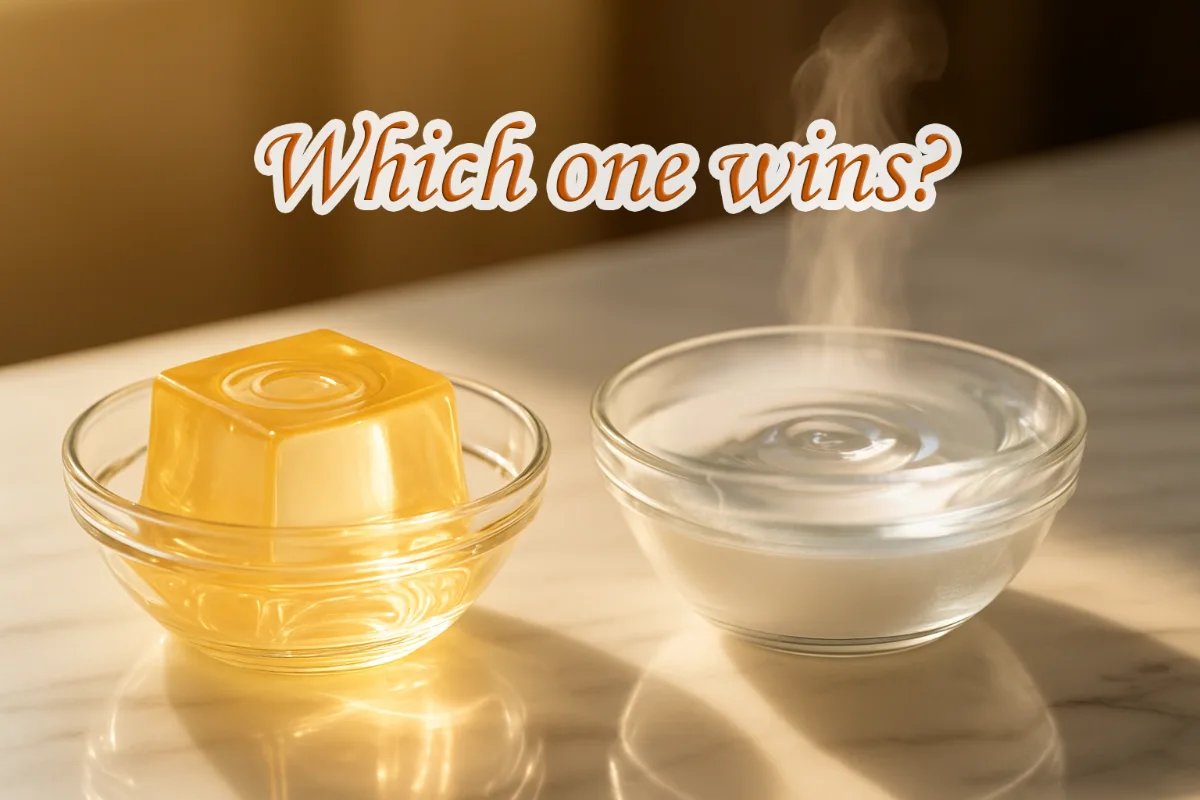
When comparing gelatin vs. collagen for weight loss, most people assume the one with more protein wins. But that’s not the full story. They look similar, they both come from the same source, and they both promise glowing skin and healthy joints, yet when it comes to managing hunger, one of them has a physical advantage the other simply can’t replicate. If you’ve ever wondered why your collagen powder doesn’t stop your hunger but a simple gelatin snack does, here is the real reason why.
The gelatin vs. collagen for weight loss debate comes down to one thing: texture. It’s not about burning fat or boosting your metabolism overnight. It’s about how gelatin’s unique gelling properties create a natural feeling of fullness that collagen, in its hydrolyzed form, cannot match.
Table of Contents
Gelatin Weight Loss Snack

When comparing gelatin vs. collagen for weight loss, most people assume the one with more protein wins. But that’s not the full story. This simple gelatin weight loss snack stands out because gelatin forms a satisfying gel that helps create a natural feeling of fullness, making it a smart option for managing hunger and reducing late-night cravings.
- Prep Time: 5 minutes
- Cook Time: 0 minutes
- Total Time: 2 hours 5 minutes
- Yield: 1 serving 1x
- Category: Snack
- Method: Chilling
- Cuisine: Healthy
- Diet: Gluten Free
Ingredients
- 2 tablespoons unflavored grass-fed gelatin
- 1 cup brewed tea of choice (hibiscus, chamomile, or ginger)
- 1 teaspoon lemon juice (optional)
- 1 teaspoon honey (optional)
- Fresh ginger slices (optional)
- Fresh berries (optional)
Instructions
- Brew 1 cup of tea using hibiscus, chamomile, or ginger.
- Pour the warm tea into a bowl or measuring cup.
- Sprinkle the unflavored gelatin evenly over the liquid and let it bloom for 1 minute.
- Stir until the gelatin fully dissolves.
- Add lemon juice, honey, ginger, or berries if desired.
- Pour the mixture into a small container or mold.
- Refrigerate for 1 to 2 hours until fully set.
- Serve chilled as a light snack, especially in the evening to help manage nighttime cravings.
Notes
Try hibiscus berry for a tart fruity version, lemon ginger for a refreshing daytime option, or chamomile honey for a calming nighttime snack. Gelatin works especially well before bed because it helps create physical fullness while offering gentle protein.
Nutrition
- Serving Size: 1 serving
- Calories: 35
- Sugar: 1g
- Sodium: 10mg
- Fat: 0g
- Saturated Fat: 0g
- Unsaturated Fat: 0g
- Trans Fat: 0g
- Carbohydrates: 1g
- Fiber: 0g
- Protein: 6g
- Cholesterol: 0mg
Gelatin vs. Collagen for Weight Loss: Why Texture Changes Everything
Both collagen and gelatin come from the same amino acid profile, but they behave very differently once they enter your body.
Collagen peptides are hydrolyzed, broken down into smaller fragments that dissolve instantly, even in cold water. They absorb quickly and move through your digestive tract without creating any physical bulk.
Gelatin, on the other hand, retains its ability to “gel.” When you eat gelatin, it absorbs water and expands in your stomach. That physical volume slows gastric emptying, meaning your stomach takes longer to signal to your brain that it’s ready for more food.
Here’s a simple comparison:
| Feature | Gelatin (Unflavored) | Collagen Peptides |
|---|---|---|
| Calories | ~35 kcal per serving | ~40–70 kcal per serving |
| Protein | 6g–9g | 10g–20g |
| Satiety Effect | High: forms a physical gel | Low: liquid form, absorbed quickly |
| Best Use | Hunger control & satiety | Skin, hair & joint support |
| Preparation | Needs blooming & chilling | Dissolves instantly |
| Gastric Emptying | Slows significantly | Minimal impact |
The key insight here: more protein doesn’t always mean better satiety. What matters is how that protein interacts with your digestive system. Gelatin’s gelling ability creates physical fullness that collagen simply cannot match.
Why Gelatin Is My Secret Weapon for Nighttime Cravings
Most weight loss struggles don’t happen at breakfast or lunch; they happen between 8 PM and midnight, when hunger hormones like ghrelin peak and willpower is at its lowest.
This is where gelatin truly shines. Because gelatin is rich in glycine, an amino acid shown to improve sleep quality, it doesn’t just fill your stomach; it also helps settle your nervous system. Eating a small gelatin snack about an hour before bed gives your body two things at once: gentle protein to help stabilize blood sugar and a physical sense of fullness that signals your brain to stop searching for snacks.
Unlike collagen, which absorbs quickly and leaves your stomach, gelatin stays in place longer, creating that soft physical barrier that keeps late-night cravings at bay. Many people find that this simple habit reduces their total daily calorie intake by 200 to 300 calories — without restriction, willpower battles, or hunger. Wondering if the gelatin trick actually works? The science backs it up.
If you want to try it tonight, this high-protein, low-calorie gelatin snack delivers 6g of protein for just 35 calories per serving, exactly what your body needs before bed.

3 Flavor Variations to Keep You Consistent
Consistency is the real secret to results, and boredom is the biggest obstacle. Here are three ways to customize your gelatin snack so it never feels like a chore:
The Detox — Lemon Ginger
Brew a cup of fresh ginger tea, squeeze in some lemon juice, and bloom your gelatin in the warm liquid. The ginger supports gentle digestion, while the lemon adds brightness. It’s a great option first thing in the morning or mid-afternoon when energy dips.
The Craving Crusher — Hibiscus Berry
Use strong hibiscus tea as your base for a deep, jewel-toned color and natural tartness without any added sugar. The slight acidity of hibiscus pairs beautifully with gelatin’s texture and makes for a genuinely satisfying snack that helps manage afternoon hunger.
The Nightcap — Chamomile Honey
Use chamomile tea as your base to layer the sleep-supporting benefits of gelatin’s glycine with chamomile’s natural calming properties. A small drizzle of honey rounds out the flavor. This is my personal favorite before bed.
Each variation uses the same base, 2 tablespoons of unflavored grass-fed gelatin per serving, and simply swaps the liquid. Keep the foundation consistent and change only the flavors to stay engaged week after week.
FAQs: Gelatin vs. Collagen for Weight Loss
Can I replace my collagen powder with gelatin in my morning coffee?
Technically yes, but the experience will be very different. Collagen peptides dissolve instantly in hot or cold liquids without changing the texture. Gelatin will thicken as the liquid cools, so if you want a creamy, filling coffee, you need to whisk the gelatin vigorously into very hot liquid right away. Let it cool too long and you’ll end up with lumps. It works; it just requires a bit more attention than collagen.
Which one is better for appetite control?
Gelatin is the clear winner for hunger management. Because it absorbs water and forms a gel-like substance in your stomach, it physically occupies space and slows digestion. Collagen is essentially pre-digested protein; it enters your bloodstream quickly, which is great for skin and joint support, but it doesn’t provide the same lasting physical fullness.
Is there a calorie difference between the two?
The calorie counts are quite similar, roughly 35 to 40 calories per tablespoon for both. The real difference is downstream. Because gelatin keeps you feeling full for hours, it tends to reduce overall calorie intake by preventing you from reaching for high-calorie snacks later in the day.
Do they offer the same skin and joint benefits?
Yes. Both come from the same amino acid profile, glycine, proline, and hydroxyproline, so your skin, hair, nails, and connective tissues receive the same structural building blocks whether you choose gelatin or collagen. The difference is in how you experience them, not what they deliver at the cellular level.
Can I use both at the same time?
Absolutely, and many people find this works beautifully. Collagen in the morning for a quick, convenient protein boost and skin support, gelatin in the evening as a snack to manage cravings and support restful sleep through glycine’s calming effects. The two complement each other rather than compete.
So, Which One Should You Choose?
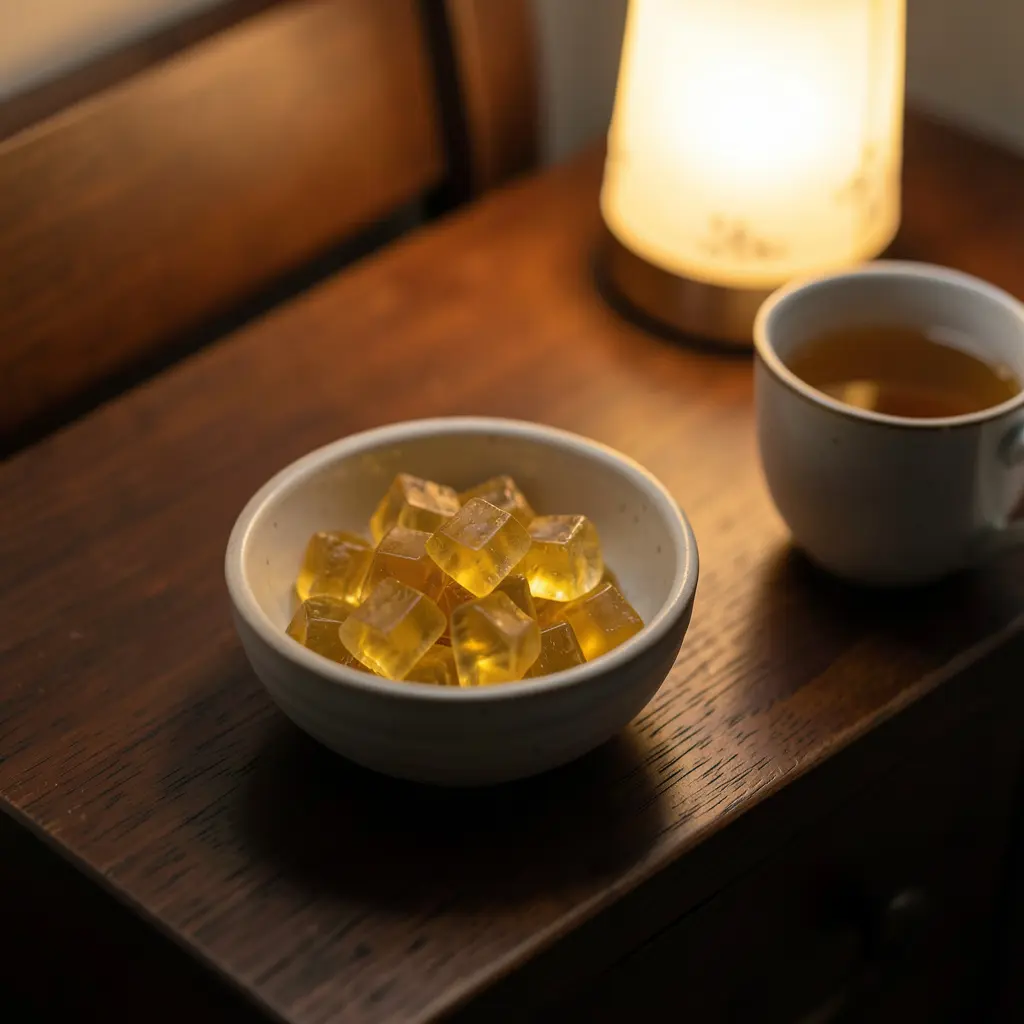
When it comes to gelatin vs. collagen for weight loss, the right answer depends on your goal. If your primary goal is skin, hair, or joint support and you want the most convenient option, collagen peptides are excellent. They dissolve easily, they’re portable, and they fit seamlessly into drinks and smoothies.
But if you’re trying to manage hunger, reduce late-night snacking, and lose weight sustainably, gelatin is the clear choice. It’s more affordable, more filling, and far more versatile as a functional food.
The key difference isn’t just nutritional; it’s physical. Gelatin works with your body’s natural hunger signals rather than bypassing them, which makes it a sustainable long-term habit rather than a short-term fix.
Ready to get started? Try the gelatin weight loss recipe that started it all: 6g of protein, 35 calories, and a hunger-free evening.