
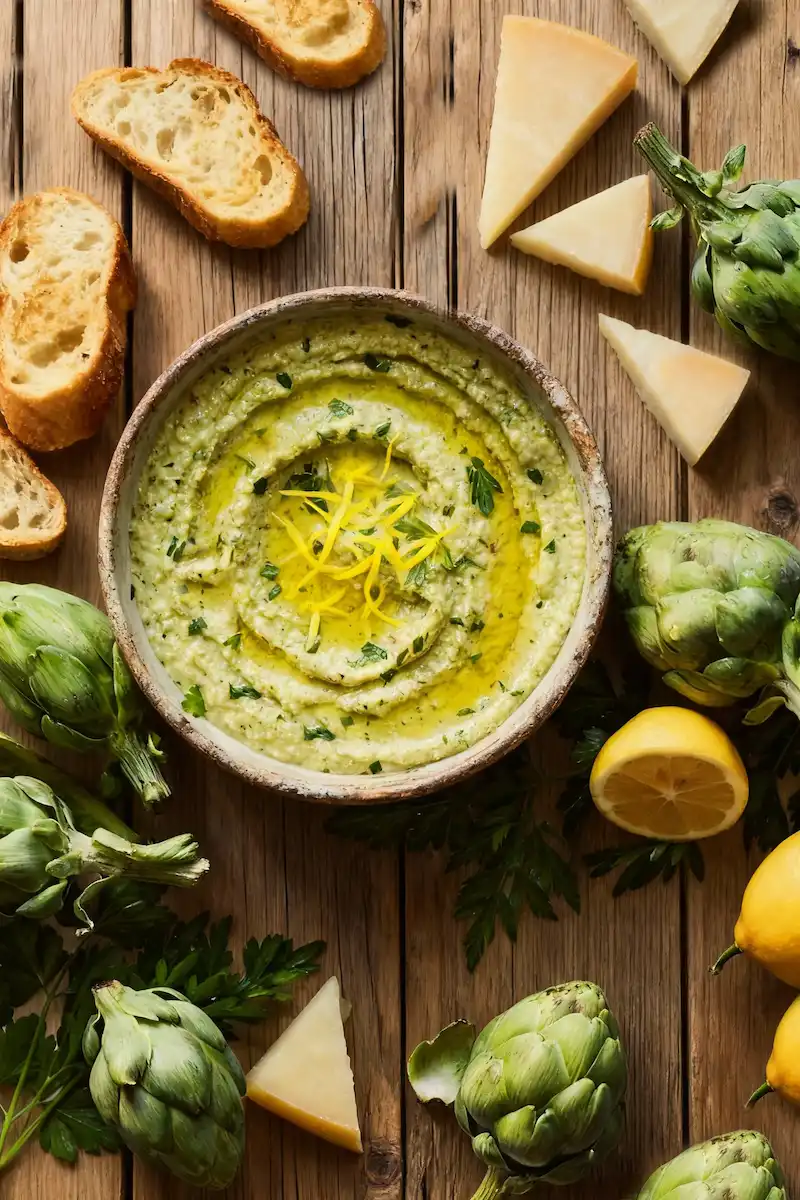
The Pesto Revolution is Zesty
Classic basil pesto holds a place of honor on Italian tables, but even the most cherished traditions are ready for a fresh twist. Enter Lemon Artichoke Pesto, a lighter, brighter, and altogether unique alternative that brings a new level of versatility to your kitchen. Unlike standard pesto, this recipe balances rich flavors with a citrus-forward tang, and the subtle earthiness of artichoke hearts offers a delightful departure from expected basil. Whether you toss it with pasta, spoon it over roasted chicken or fish, or simply swipe a slice of bread through its creamy depths, Lemon Artichoke Pesto is a game-changer you’ll soon be using on everything.
Table of Contents
Lemon Artichoke Pesto: A Bright, Zesty Pesto Recipe That Goes Beyond Basil
A zesty, citrus-forward twist on traditional pesto made with marinated artichokes, fresh lemon, and nuts—perfect for pasta, proteins, and more.
- Prep Time: 10 minutes
- Cook Time: 0 minutes
- Total Time: 10 minutes
- Yield: 1.5 cups 1x
- Category: Sauce
- Method: No-Cook
- Cuisine: Italian-Inspired
- Diet: Vegetarian
Ingredients
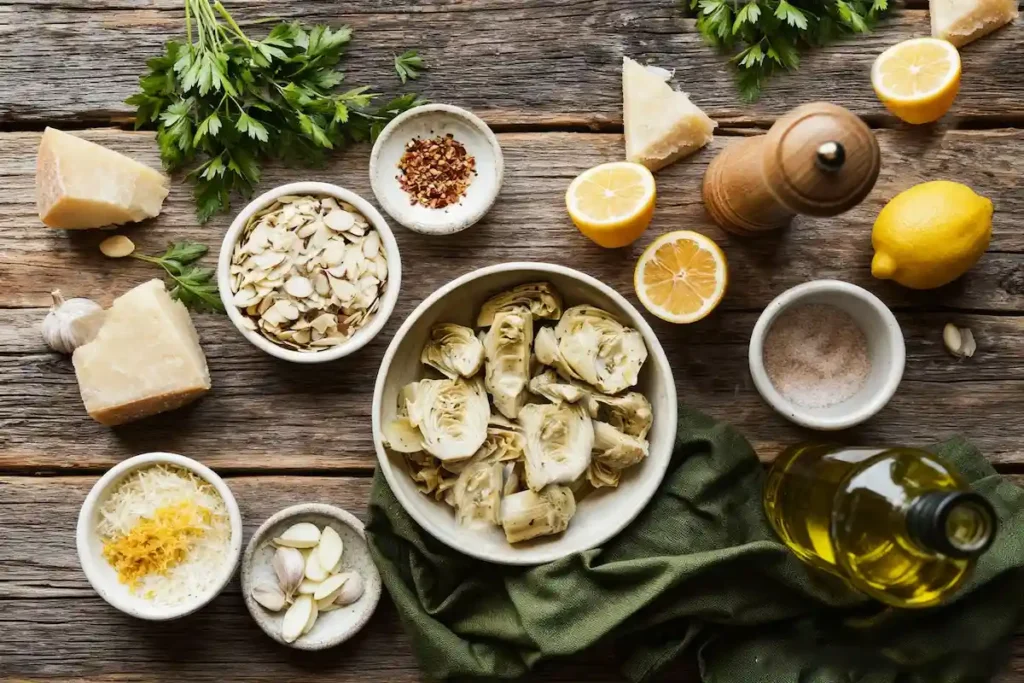
- 1 (14 oz) jar marinated artichoke hearts, drained
- 1/2 cup walnuts, almonds, or sunflower seeds
- 2 cloves garlic
- 1/2 cup freshly grated Parmesan or Pecorino Romano
- Zest of 1 large lemon
- 2–3 tablespoons fresh lemon juice (to taste)
- 1/2 cup extra virgin olive oil
- Salt and freshly ground black pepper, to taste
Instructions
- In a food processor, pulse nuts and garlic until finely chopped.
- Add drained artichoke hearts and pulse again until the mixture is roughly combined with some texture.
- With the processor running, drizzle in olive oil gradually until emulsified and creamy.
- Add cheese, lemon zest, and lemon juice. Pulse to combine.
- Season with salt and pepper to taste.
- If too thick, add a splash of water or more lemon juice and pulse again.
- Serve immediately or store in a jar with a thin layer of olive oil on top.
Notes
Store pesto in the refrigerator for 4–5 days with a layer of olive oil on top to prevent browning, or freeze in cubes for up to 3 months.
Nutrition
- Serving Size: 2 tablespoons
- Calories: 130
- Sugar: 0g
- Sodium: 160mg
- Fat: 13g
- Saturated Fat: 3g
- Unsaturated Fat: 9g
- Trans Fat: 0g
- Carbohydrates: 2g
- Fiber: 1g
- Protein: 2g
- Cholesterol: 4mg
The Flavor Equation: Why Artichoke Works in Pesto
Traditional Genovese pesto relies on basil, pine nuts, Parmesan, and garlic for a classic herbal richness. Lemon Artichoke Pesto, on the other hand, forges its own path with ingredients that transform the flavor equation while preserving pesto’s essential spirit:
- The Base: Marinated artichoke hearts are the unsung hero here. Packed in oil and brine, they deliver moisture, tartness, and gentle earthiness that set this pesto apart. Their slightly chewy texture also gives the sauce a satisfying body.
- The Fat: A robust extra virgin olive oil remains at the heart of this pesto, lending lushness and carrying flavor throughout the finished sauce.
- The Brightness: Fresh lemon juice and plenty of zest are non-negotiable. The acidity wakes up the palate and elevates the artichoke’s subtle flavors. Skipping the lemon is not an option; this is where the pesto delivers its namesake zing.
- The Crunch/Nutty Flavor: Ditch the pricey pine nuts and use more affordable alternatives like walnuts or almonds, or even sunflower seeds. These lend gentle bitterness and crunchy texture without overpowering the other flavors.
- The Cheese: Grated Parmesan or Pecorino Romano guarantees depth, saltiness, and that necessary umami backbone.
With every element working in harmony, you build a pesto that is rich, fresh, and bursting with sunny personality.
Step-by-Step Guide: Mastering the Blender or Food Processor
Perfecting this pesto is as much about technique as it is about ingredients. Here’s how to get the best taste and texture every time:
The Assembly Order
- Blend the Nuts, Garlic, and Artichokes First: Start by pulsing the nuts and garlic in a food processor until finely chopped. Add the drained artichoke hearts and pulse again until the mixture begins to break down but still has some chunky texture.
- Slowly Drizzle in the Oil: With the machine running, drizzle in the olive oil in a thin stream. This gradual blending allows for even emulsification and prevents the pesto from separating or becoming too oily.
Temperature Control
- Short Bursts for the Perfect Blend: Avoid running your processor or blender continuously for more than a few seconds at a time. Overprocessing creates heat, which can “cook” the delicate herbs and garlic, resulting in bitterness. Use short pulses until just combined for the brightest color and flavor.
Adjusting Consistency
- Achieve the Ideal Texture: After adding the cheese, test the texture with a spoon. If it seems too thick, add a splash of water or extra lemon juice and pulse again. The goal is a spreadable, emulsified sauce that coats a spoon and is never runny or greasy.
Beyond Pasta: Versatile Uses for Lemon Artichoke Pesto
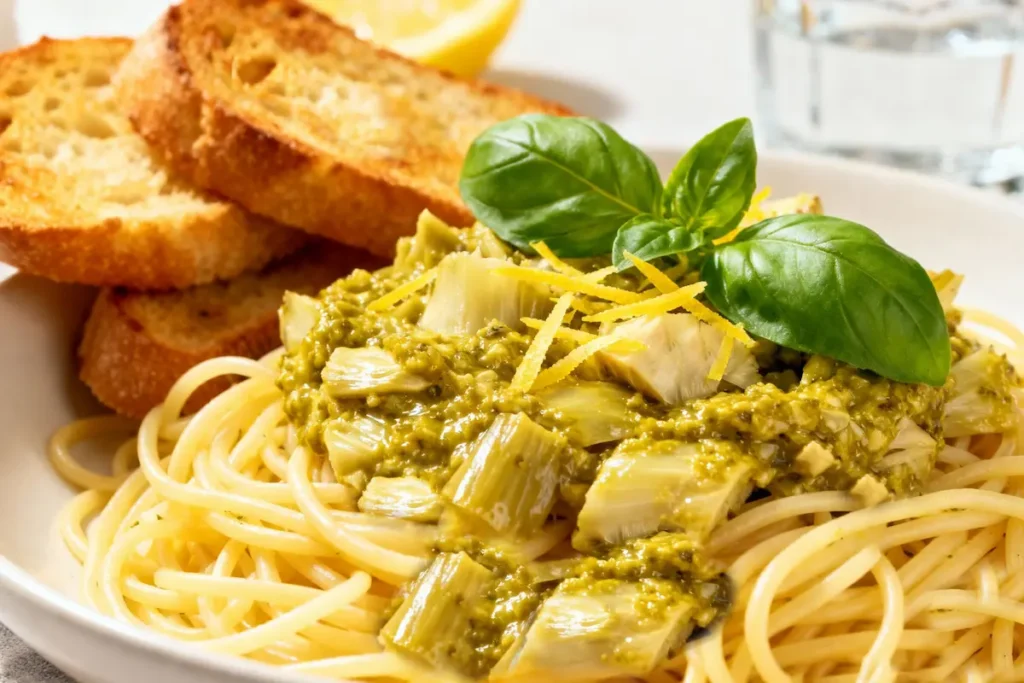
While pasta is a natural canvas for this pesto, Lemon Artichoke Pesto’s talents extend far beyond the noodle bowl:
- Bread/Appetizer: Spread generously over toasted crostini, swirled into hummus, or served alongside a charcuterie board, it delivers instant flavor.
- Protein Topping: Dollop atop grilled salmon, chicken breast, or even seared steak. The zesty sauce brightens rich proteins; check out our links for perfect pairings across your recipe cluster.
- Salad/Side Upgrade: Toss roasted seasonal vegetables in pesto for a vibrant side, or whisk with olive oil and a splash of vinegar to create a stunning salad dressing. You can even use it as the foundation of your Mediterranean Artichoke and Bean Salad.
- Pasta Pairing: For a creamy, elegant pasta, Lemon Artichoke Pesto makes a vibrant sauce; try it as a substitute for the sauce in our Creamy Mushroom Artichoke Pasta for a lighter, spring-inspired twist.
Versatility is the secret superpower of this pesto. Its adaptability and punchy flavor will have you inventing new uses long after the first batch is gone.
Try tossing roasted vegetables with Lemon Artichoke Pesto, then serve alongside Artichoke and Hearts of Palm Salad for a vibrant, healthy meal or appetizer.
FAQ: Pesto Storage and Longevity
Q: How long does homemade pesto last?
Homemade pesto will stay fresh for 3 to 5 days in the refrigerator when stored in an airtight container. For best results, press a thin layer of olive oil over the surface of the pesto before sealing to help retain its color and flavor. Always check for any off smells or discoloration before using.
Q: Can I freeze this pesto?
Yes, Lemon Artichoke Pesto freezes beautifully. Spoon the pesto into ice cube trays or small freezer-safe containers and freeze until solid. Transfer the cubes or portions to a sealed freezer bag, where they’ll keep for up to 3–4 months. Thaw portions in the refrigerator overnight or add directly to warm dishes for easy use.
Q: Why did my pesto turn brown?
Conclusion: Your New Favorite Jarred Sauce is Homemade
Lemon Artichoke Pesto is the bright, zesty condiment that brings excitement to every meal. Its luscious texture, bold citrusy tang, and gentle artichoke earthiness strike a harmonious balance that works for pastas, proteins, breads, and sides alike. Once you experience how this sauce transforms your favorite dishes, store-bought pesto will never satisfy you again.
Master this vibrant recipe, and you’ll have a homemade jar on hand for any occasion—simple, elegant, endlessly customizable, and always delicious. This article completes your artichoke cluster, giving you a suite of high-value recipes to showcase artichoke’s unique versatility. Enjoy the zesty revolution!
This zesty sauce combines perfectly with recipes like Artichoke Francese and Artichoke and Hearts of Palm Salad, completing your Mediterranean artichoke cluster for weeknight meals or entertaining.