
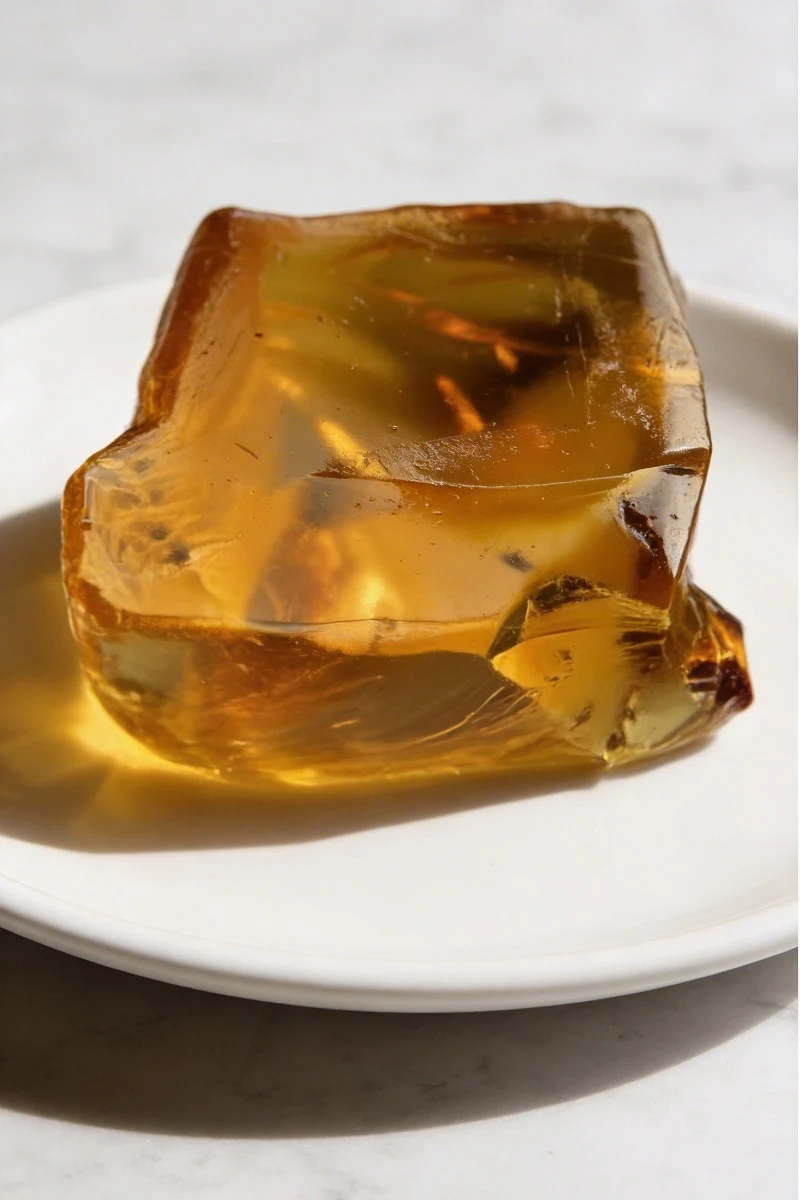
Ray Peat Gelatin is not a wellness trend. It is a decades-old nutritional intervention rooted in cellular biology, developed by Dr. Ray Peat (Ph.D. in Biology, University of Oregon), whose research on hormones, metabolism and energy production spans more than 50 years of published work. The central argument is elegant and uncomfortable for anyone who has spent years counting calories: the reason most people cannot lose fat permanently is not that they eat too much. It is that their metabolism has been damaged by the very strategies they used to try to lose it.
This guide covers the complete Ray Peat Gelatin protocol: the science behind glycine and thyroid function, the hormonal mechanisms that trap fat in the body, the practical implementation of the protocol in daily life, the master recipe (the Metabolic Orange Tonic), and honest answers to every question that creates doubt or confusion around this approach. By the end, you will understand not just what to do, but exactly why each element of the protocol exists and what it is doing in your body.
The information provided in this Dr. Gupta Gelatin Recipe guide is for educational purposes only and is not intended as medical advice. Gelatin is a functional food, but it should not replace professional medical treatment for chronic joint conditions. Always consult with a healthcare professional before adding new supplements to your routine, especially if you have underlying health issues.

Table of Contents
Beyond the Calories-In, Calories-Out Myth
The Metabolic Crisis
The standard model of weight loss, eat less, move more, create a caloric deficit, works in the short term for almost everyone and fails in the long term for most people. The failure is not a matter of willpower. It is a matter of biology.
When caloric intake drops significantly below metabolic needs, particularly through low-carbohydrate or very low-fat approaches, the body interprets the restriction as a signal of famine. The hypothalamus initiates a coordinated hormonal response: cortisol rises to mobilize stored energy, thyroid hormone output drops to reduce metabolic rate, and the liver begins converting active T3 thyroid hormone into inactive reverse T3 (rT3) to further suppress metabolism. The result is a person eating 1200 calories per day who cannot lose weight, sleeping poorly, feeling cold, experiencing brain fog and losing muscle while their fat stores remain stubbornly intact.
This is not a failure of discipline. This is the body executing its evolutionary programming with perfect efficiency. The problem is that modern dieting triggers that programming chronically, and the repeated hormonal suppression creates a ratchet effect where each subsequent diet becomes harder than the last and the metabolic recovery between cycles becomes less complete.
The Peat Philosophy
Dr. Ray Peat’s framework begins from a different premise: the body is fundamentally an energy-producing system, and health is the state of maximal efficient energy production at the cellular level. In Peat’s model, the primary energy currency of cells is carbon dioxide (CO2) produced by the mitochondria through oxidative metabolism. When cells are producing CO2 efficiently, the organism is warm, mentally clear, metabolically flexible and resistant to the degenerative conditions associated with aging and obesity.
The enemies of efficient energy production, in Peat’s framework, are the same things that characterize modern life: chronic stress (elevated cortisol and adrenaline), polyunsaturated fat accumulation in cell membranes (which impairs mitochondrial function), estrogen dominance (which suppresses thyroid and promotes cortisol), endotoxin load from gut bacteria (which creates systemic inflammation), and specific amino acid imbalances from modern protein consumption patterns (particularly excess tryptophan and cysteine from muscle meat without the balancing glycine from connective tissue).
Ray Peat Gelatin addresses that last factor directly, and through it, influences all the others.
The Gelatin Revolution
Gelatin is the food that disappeared from the modern diet when industrialized food processing made it easier and more profitable to sell boneless muscle meat than whole animals. For most of human history, connective tissue, skin, tendons, bones and cartilage were consumed alongside muscle meat as a matter of necessity. This provided a natural balance of amino acids that modern meat consumption completely lacks.
The key missing nutrient is glycine. Gelatin is approximately 35% glycine by amino acid composition, making it the most concentrated dietary source of this amino acid available. Glycine acts as what Peat describes as a biological “safety signal”: it directly inhibits the stress hormones adrenaline and cortisol, supports thyroid hormone activation in the liver, protects the gut lining from endotoxins and provides the raw materials for collagen synthesis throughout the body.
When you add Ray Peat Gelatin to your daily routine, you are not supplementing an obscure compound. You are restoring a nutritional element that was present in human diets for hundreds of thousands of years and has been largely absent for less than a century.
The Deep Science of Glycine and Inflammation
The Amino Acid Balance: Muscle Meat versus Gelatin
The modern diet is disproportionately rich in two amino acids that have significant physiological downsides when consumed without their natural counterpart glycine: tryptophan and cysteine.
Tryptophan is the precursor to serotonin, which is commonly marketed as a “feel-good” neurotransmitter but which, at elevated systemic levels, promotes inflammation, suppresses thyroid function and increases the inflammatory mediator prolactin. Peat’s research highlights the paradox that many of the dietary and pharmaceutical strategies promoted for mood and sleep (high-tryptophan foods, serotonin reuptake inhibitors) actually create hormonal conditions that impair long-term metabolic health.
Cysteine, another sulfur-containing amino acid abundant in muscle meat, is a precursor to glutathione (beneficial in controlled amounts) but at excess dietary levels competes with glycine for metabolic pathways and contributes to the accumulation of hydrogen sulfide in the gut, which damages the intestinal barrier and promotes endotoxin absorption.
Glycine, the dominant amino acid in gelatin, counteracts both of these effects. It reduces the inflammatory burden of excess tryptophan by competing for absorption at the intestinal level. It supports the synthesis of glutathione in a controlled, regulated manner. And it directly inhibits the excitatory neurotransmitter activity that underlies the stress response, cortisol secretion and adrenaline release.
The evolutionary context is important here. Traditional “nose-to-tail” eating provided a natural ratio of approximately 1 gram of glycine for every 4 to 5 grams of muscle meat protein. Modern boneless meat consumption provides almost no gelatin-forming protein, meaning the glycine-to-tryptophan ratio in most people’s diets is wildly skewed toward the inflammatory end. Ray Peat Gelatin corrects this imbalance.
Thyroid Function and the Liver Connection
The thyroid gland produces primarily T4 (thyroxine), an inactive prohormone that must be converted to T3 (triiodothyronine) to be metabolically active. This conversion happens predominantly in the liver, and the liver’s capacity to perform it efficiently depends on several factors: adequate glycine availability, low cortisol, low estrogen, adequate vitamin A and zinc, and healthy mitochondrial function.
Glycine from Ray Peat Gelatin supports this conversion process through multiple pathways. It directly supports liver Phase 2 detoxification (glucuronidation and glycination), which clears estrogen metabolites and cortisol breakdown products that would otherwise accumulate and impair thyroid function. It reduces the inflammatory burden on liver cells (hepatocytes), preserving their mitochondrial function and their capacity to perform T4-to-T3 conversion. And it provides the substrate for bile acid synthesis (glycocholic acid), which improves fat-soluble vitamin absorption, including the vitamin A that thyroid receptors require to function.
In Peat’s framework, the markers of adequate thyroid function are simple and observable without blood tests: an oral temperature of 36.6 to 37.0°C (97.8 to 98.6°F) upon waking, a resting pulse rate of 75 to 85 beats per minute, warm hands and feet, clear mental focus and stable mood. Most people who implement the Ray Peat Gelatin protocol consistently report measurable improvements in these markers within 2 to 4 weeks.
Hormonal Warfare: Defeating Cortisol and Estrogen
Cortisol: The Belly Fat Hormone
Cortisol is not the enemy. It is a necessary hormone that mobilizes energy in response to acute stress. The problem is chronic cortisol elevation, which occurs when the stress response is activated repeatedly without adequate recovery. In this state, cortisol promotes visceral fat accumulation (particularly around the abdomen and organs), suppresses thyroid function, degrades lean muscle mass, impairs insulin sensitivity and disrupts sleep architecture.
Glycine inhibits the stress response through a specific neurological mechanism: it is an inhibitory neurotransmitter in the brainstem and spinal cord, where it suppresses the sympathetic nervous system activation that triggers adrenaline and cortisol release. When glycine levels are adequate, the threshold for triggering the stress response is higher, the magnitude of the cortisol spike is lower and the recovery time after a stressor is faster.
Practically, this means people who consume Ray Peat Gelatin consistently report sleeping more deeply, waking up with lower resting heart rate, recovering from stressful events more quickly and experiencing less of the chronic “wired but tired” feeling that characterizes HPA axis dysregulation. The belly fat connection is downstream of this: when cortisol normalizes, insulin sensitivity improves, visceral fat lipolysis (breakdown) becomes more efficient, and the hormonal conditions for permanent fat loss are restored.
For a complementary approach to cortisol management through functional drinks, see the Cortisol Cocktail Recipe for Weight Loss.
Estrogen Dominance and Endotoxins
Estrogen dominance, the state in which estrogen is elevated relative to progesterone (and testosterone in women), is one of the most common and least diagnosed hormonal imbalances in the modern population. It contributes directly to fat accumulation (particularly in the hips, thighs and lower abdomen), water retention, mood instability, thyroid suppression and difficulty losing weight despite caloric restriction.
The gut connection is critical and underappreciated. The liver detoxifies used estrogen by conjugating it to glucuronic acid (glucuronidation), making it water-soluble for excretion through bile into the intestines. In a healthy gut, this conjugated estrogen is excreted in stool. In a gut with elevated endotoxin load (lipopolysaccharides from gram-negative bacteria), an enzyme called beta-glucuronidase is produced in excess, which cleaves the glucuronic acid from the conjugated estrogen, freeing it to be reabsorbed into circulation. The result is estrogen recycling: the liver detoxifies it, the gut reactivates it and circulating estrogen remains chronically elevated.
Ray Peat Gelatin addresses this cycle by protecting the intestinal barrier. Glycine and proline support the tight junctions between intestinal epithelial cells, reducing gut permeability and limiting the translocation of endotoxins into the bloodstream. Less endotoxin means less beta-glucuronidase activity, which means more efficient estrogen clearance, which means lower circulating estrogen and better conditions for fat mobilization.
The Practical Protocol
The Golden Ratio: Gelatin, Salt, and Sugar
One of the most counterintuitive aspects of the Ray Peat framework is his position on sugar. Peat argues, based on his reading of the endocrinological literature, that the fear of sugar (particularly fructose and sucrose) in the context of whole foods is largely misplaced, while the fear of polyunsaturated fats and of protein without carbohydrate is significantly underappreciated.
The reasoning is as follows: consuming protein (including gelatin) without accompanying carbohydrate triggers a glucagon response that is disproportionate to the insulin response, creating a hormonal environment that promotes muscle catabolism and cortisol release. Adding a small amount of simple sugar (raw honey, orange juice or white sugar in Peat’s framework) alongside the gelatin buffers this response, improves the insulin-to-glucagon ratio, and prevents the anti-metabolic hormonal cascade that pure protein consumption can trigger.
This is why the master recipe (the Metabolic Orange Tonic) includes orange juice and raw honey alongside the gelatin. The orange juice provides fructose and glucose in natural proportion, along with Vitamin C (a cofactor for collagen synthesis), potassium and bioflavonoids. The raw honey provides trace enzymes and additional fructose. The combination creates a metabolically supportive context for the gelatin amino acids that plain water cannot provide.
Sea salt completes the trinity. The adrenal glands require adequate sodium to produce aldosterone efficiently. Under chronic stress, sodium is excreted more rapidly (a mechanism that amplifies the cortisol response). Maintaining adequate sodium intake through unrefined sea salt directly supports adrenal function and reduces the compensatory cortisol secretion that occurs with sodium depletion.
Quality Control: Selecting Your Materials
Grass-fed beef gelatin versus porcine gelatin. Both sources provide similar amino acid profiles, but grass-fed beef gelatin is preferred in the Peat framework for several reasons: it is free from the higher omega-6 polyunsaturated fat content associated with conventionally raised pork, it has a cleaner environmental exposure profile and it is more widely available in high-quality, single-ingredient forms. Look for a label that reads “100% grass-fed beef gelatin” with no additives. Reliable brands include Great Lakes Wellness and Bernard Jensen.
Understanding Bloom strength. Bloom strength is a measure of gelatin’s gel-forming ability, measured in grams (the weight required to compress a gel by a specific amount). Standard culinary gelatin ranges from 125 to 250 Bloom. For the Ray Peat Gelatin protocol, a Bloom strength of 180 to 250 is optimal: it dissolves cleanly, sets firmly and provides consistent dosing. Lower Bloom gelatins may require larger quantities to achieve the same amino acid dose. The Bloom number is often listed on the label of professional or health-focused gelatin products.
PrintRay Peat Gelatin Recipe Metabolic Orange Tonic
A metabolic-support gelatin tonic inspired by Ray Peat, combining glycine-rich gelatin with fresh orange juice, honey, and sea salt to support energy, hormones, and recovery.
- Prep Time: 5 minutes
- Cook Time: 0 minutes
- Total Time: 5 minutes
- Yield: 1 serving 1x
- Category: Drink
- Method: No-Cook
- Cuisine: Health
Ingredients
- 1 tablespoon grass-fed beef gelatin powder (180–250 Bloom)
- 1/4 cup cold filtered water
- 150ml fresh-squeezed orange juice (pulp-free)
- 100ml hot filtered water (75–80°C)
- 1 teaspoon raw honey (optional)
- 1 pinch unrefined sea salt
- Ice (optional)
Instructions
- Pour cold filtered water into a mug or bowl.
- Sprinkle gelatin evenly over the surface without stirring.
- Let it bloom undisturbed for 3 minutes.
- Heat water to 75–80°C (not boiling).
- Pour hot water over bloomed gelatin.
- Stir gently for 45–60 seconds until fully dissolved and clear.
- Let mixture cool slightly for about 60 seconds.
- Add fresh orange juice.
- Add raw honey and a pinch of sea salt.
- Stir gently until combined.
- Serve warm or pour over ice for a cold tonic.
Notes
Use fresh-squeezed orange juice for best nutritional value. Do not overheat gelatin to preserve amino acids. Consistency in daily use improves results.
Nutrition
- Serving Size: 1 serving
- Calories: 85
- Sugar: 16g
- Sodium: 100mg
- Fat: 0g
- Saturated Fat: 0g
- Unsaturated Fat: 0g
- Trans Fat: 0g
- Carbohydrates: 18g
- Fiber: 0g
- Protein: 7g
- Cholesterol: 0mg
The Master Recipe: Metabolic Orange Tonic
Prep time: 5 minutes | Cook time: 0 minutes | Servings: 1 | Calories: ~85
Ingredients and Sourcing
- 1 tablespoon grass-fed beef gelatin powder (180 to 250 Bloom, 7g)
- 1/4 cup cold filtered water (for blooming)
- 150ml fresh-squeezed orange juice, strained and pulp-free (approximately 1.5 medium oranges)
- 100ml hot filtered water (75 to 80°C, not boiling)
- 1 teaspoon raw honey (optional but recommended per Peat protocol)
- 1 small pinch unrefined sea salt
- Ice (optional, for serving cold as a tonic)

Sourcing notes: Use fresh-squeezed orange juice prepared immediately before use. Bottled OJ, even “not from concentrate” varieties, has been pasteurized and stored in flavor-stripped tanks before re-flavoring, a process that destroys much of the Vitamin C and bioflavonoid content that makes fresh orange juice metabolically valuable in the Peat framework. The difference between fresh-squeezed and bottled OJ in this context is not cosmetic: it is nutritionally meaningful.
Step-by-Step Preparation: The Mastery Method
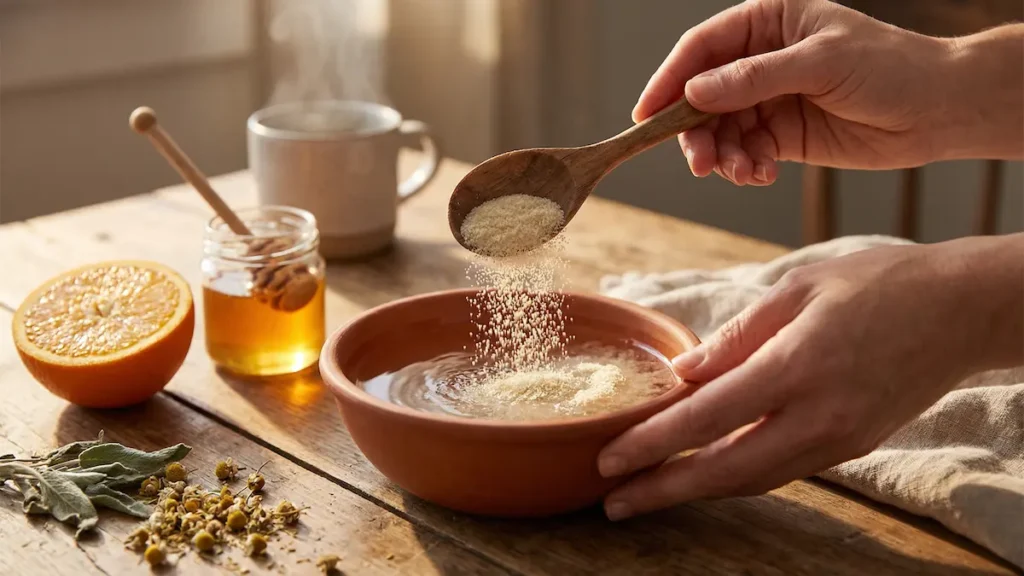
Step 1: Bloom the gelatin perfectly. Pour the cold filtered water into a mug or small bowl. Sprinkle the gelatin powder evenly across the entire surface of the cold water in a thin, uniform layer. Do not pour it in a pile. Do not stir. Set a timer for 3 minutes and leave it completely undisturbed. The gelatin will absorb the water and swell into a translucent, spongy mass. This is the bloom, and it is the technical foundation of the entire recipe. Properly bloomed gelatin dissolves in seconds with hot liquid. Un-bloomed gelatin clumps irreversibly.
Step 2: Dissolve with precision. Heat the filtered water to 75 to 80°C. This is the critical temperature window. Below 70°C, the gelatin will not dissolve fully and you will have undissolved granules in the final drink. Above 85°C, the amino acid chains begin to degrade, reducing the biological value of the protein you are consuming. Pour the hot water slowly over the bloomed gelatin and stir gently but continuously for 45 to 60 seconds until the solution is completely clear with no visible granules, strings or cloudiness. The liquid should be as clear as warm broth.
Step 3: Add the orange juice, honey and salt. Allow the dissolved gelatin solution to cool slightly for 60 seconds (to approximately 60 to 65°C) before adding the orange juice. Adding room-temperature orange juice to water above 70°C denatures its Vitamin C rapidly. Pour in the strained fresh orange juice, add the raw honey and the pinch of sea salt. Stir gently to combine. The honey will dissolve instantly in the warm liquid. Taste and adjust salt.
Step 4: Serve warm or cold. For the warm version (the Peat-preferred morning ritual), pour into a glass or mug and consume immediately at approximately 50 to 55°C. For the cold tonic version (ideal for the afternoon or post-workout), pour over a glass of ice and stir briefly. The gelatin will not fully set at the concentrations used in this recipe, so the cold version remains a liquid (it will be slightly more viscous than plain juice but will not gel solid).
The Ultimate FAQ
Is the sugar in this recipe dangerous for diabetics?
This is the most common concern raised about the Ray Peat approach, and it deserves a precise answer rather than a dismissal. Peat’s position on sugar distinguishes sharply between sugar in the context of processed foods (accompanied by polyunsaturated fats, artificial additives and refined flour) and sugar in the context of whole foods like orange juice and raw honey, accompanied by Vitamin C, bioflavonoids, potassium and mineral salts.
The fructose in orange juice is metabolized primarily in the liver (not requiring insulin for uptake), does not spike blood glucose directly and is accompanied by compounds that support liver function and mitochondrial energy production. In the context of this recipe, the sugar is present in a dose of approximately 15 to 18 grams per serving, accompanied by gelatin protein and sea salt, which together blunt the glycemic response.
That said, individuals with diagnosed type 2 diabetes or significant insulin resistance should consult their healthcare provider before implementing this protocol. The Ray Peat framework is not a diabetic meal plan and should not be treated as one without medical supervision.
Can I just take collagen peptides instead of gelatin?
Collagen peptides and gelatin are both derived from bovine collagen, but they have meaningfully different properties. Collagen peptides (hydrolyzed collagen) have been enzymatically pre-digested into short peptide chains of 3 to 5 amino acids. They dissolve in cold water, do not form a gel and are absorbed more rapidly. Gelatin is partially hydrolyzed collagen that still forms long enough chains to gel when cooled and must be bloomed in cold water and dissolved in hot.
From the Peat perspective, the key question is which form delivers glycine most effectively for the specific mechanisms described in this guide. Both forms provide similar amino acid content per gram, but gelatin’s gel-forming property in the stomach may provide an additional benefit for gut lining support and satiety that collagen peptides, which pass through more rapidly, do not replicate. For joint health and skin, collagen peptides have stronger clinical trial evidence. For gut barrier support, cortisol inhibition and the specific anti-stress effects Peat describes, gelatin’s structure may be more relevant.
For a comprehensive comparison of both forms across all major health goals, see: Gelatin vs Collagen for Weight Loss.
How long until I see results?
The timeline for the Ray Peat Gelatin protocol follows a predictable sequence for most people. In the first 1 to 2 weeks, the most commonly reported changes are improved sleep depth and morning temperature (indicating reduced cortisol and improved thyroid activity), reduced bloating and improved digestion (indicating gut barrier support), and mild improvement in skin hydration. In weeks 3 to 6, most people notice improved energy stability, reduced afternoon energy crashes, better mood resilience and the beginning of measurable changes in body composition. Weeks 6 to 12 represent the window where thyroid markers, joint comfort and skin elasticity become noticeably improved in most consistent users.
The most important variable is consistency. Daily use at the same time each day produces significantly better results than sporadic consumption, because the hormonal effects of glycine are cumulative and require a stable daily dose to shift the underlying hormonal baseline.
What ingredients do you need for the gelatin trick?
The core ingredients for the Ray Peat Gelatin protocol are grass-fed beef gelatin powder (180 to 250 Bloom), filtered water (divided into cold for blooming and hot at 75 to 80°C for dissolving), fresh-squeezed orange juice (the Vitamin C source and sugar component), a pinch of unrefined sea salt and optionally raw honey. This combination addresses glycine delivery, collagen synthesis cofactors (Vitamin C), adrenal support (salt) and the insulin-glucagon balance (orange juice sugars) simultaneously.
Does gelatin reduce cortisol?
Yes, through a specific neurological mechanism. Glycine (the dominant amino acid in gelatin) is an inhibitory neurotransmitter in the central nervous system, particularly in the brainstem and spinal cord. It directly suppresses the sympathetic nervous system activity that triggers cortisol and adrenaline release. Multiple studies have documented that glycine supplementation reduces self-reported anxiety, improves sleep quality (a proxy for lower overnight cortisol), lowers resting heart rate and reduces the magnitude of the cortisol spike in response to acute stressors. The effect is dose-dependent and accumulative, meaning it strengthens with consistent daily use over weeks rather than producing an immediate acute reduction.
How do you turn collagen into gelatin?
Collagen is converted to gelatin through the application of sustained heat in the presence of water, a process called partial hydrolysis. When collagen-rich connective tissue (joints, bones, skin, tendons) is simmered in water at 70 to 85°C for several hours, the triple-helix structure of native collagen partially unravels into individual polypeptide chains. When the liquid cools, these chains reassociate into a three-dimensional gel network. This is the gelatin. The process is exactly what happens when you make a good bone broth and it sets to a jelly in the refrigerator. Commercial gelatin powder is produced by the same process at industrial scale and then dried and ground. For culinary purposes, you cannot convert commercial collagen peptides back into gelatin, as they have been further hydrolyzed beyond the point where gel formation is possible.
Comparison and Synergy
Ray Peat Gelatin versus Keto and Paleo
| Factor | Ray Peat Gelatin Protocol | Ketogenic Diet | Paleo Diet |
|---|---|---|---|
| Primary fuel | Glucose (from fruit and root vegetables) + glycine | Fat (ketones) | Mixed (no grains or legumes) |
| Cortisol effect | Reduces via glycine inhibition | Initially raises (gluconeogenesis demand) | Neutral to mildly elevated |
| Thyroid support | Active (glucose supports T4 to T3 conversion) | Suppressive (low carb reduces T3) | Moderate |
| Gut support | Strong (gelatin repairs tight junctions) | Variable | Moderate (removes inflammatory grains) |
| Sugar restriction | No (fruit sugar encouraged in whole food context) | Strict (under 20-50g net carbs) | Moderate (no refined sugar) |
| PUFA stance | Strongly anti-PUFA (saturated fats preferred) | Mixed (often high in omega-6 nuts and oils) | Mixed |
| Long-term metabolic effect | Raises metabolic rate (warms body, raises pulse) | Can suppress metabolic rate over time | Neutral to mildly positive |
Internal Synergy: Building Your Complete Protocol
The Ray Peat Gelatin protocol does not exist in isolation. It is most powerful when integrated with complementary approaches that address different aspects of the same metabolic dysfunction.
For individuals with structural joint injuries or chronic joint pain alongside their metabolic concerns, the Dr. Gupta Gelatin Recipe provides a targeted joint-support protocol that complements the systemic anti-inflammatory effects of the Ray Peat approach. The two protocols share the grass-fed gelatin base and differ in their secondary ingredients: turmeric and ginger in the Dr. Gupta method, orange juice and honey in the Peat method.
For individuals where appetite control and pre-meal satiety are the primary challenge alongside the hormonal correction, the Dr. Rocio Pink Gelatin Recipe provides a complementary satiety-focused protocol using hibiscus as the base. The GLP-1 stimulation from the Dr. Rocio method pairs with the cortisol reduction of the Ray Peat Gelatin protocol to create a comprehensive hormonal environment for fat loss.
For the full evidence comparison between gelatin and collagen peptides across all major goals: Gelatin vs Collagen for Weight Loss.
For understanding how the gut-healing effects of Ray Peat Gelatin connect to broader metabolic function: Does the Gelatin Trick Work?
Conclusion: Your Metabolic Roadmap
The Ray Peat Gelatin protocol is not a quick fix. It is a foundational shift in how you nourish the metabolic machinery that governs your energy, your hormones, your sleep, your body composition and your long-term health trajectory. The daily routine is simple: one serving of the Metabolic Orange Tonic each morning on an empty stomach, prepared with properly bloomed grass-fed gelatin, fresh-squeezed orange juice, raw honey and a pinch of sea salt.
The markers to track are equally simple. Take your oral temperature each morning before getting out of bed: a consistent reading of 36.6 to 37.0°C indicates a healthy metabolic rate. Check your resting pulse mid-morning: 75 to 85 beats per minute in a relaxed state indicates adequate thyroid activity. Notice your mood resilience, your sleep depth, your hand and foot temperature and your response to stress. These are the real-time biofeedback signals that tell you whether your cellular metabolism is moving in the right direction, more reliably than any scale or body composition test.
For those who want to go deeper into Dr. Peat’s original work and the full body of his published research and newsletters, the primary archive is available at raypeat.com, where decades of his essays on hormones, metabolism, thyroid, estrogen, serotonin and cellular energy are freely available.
The body knows how to heal, maintain a healthy weight and produce abundant energy. The Ray Peat Gelatin protocol is one of the most elegant and evidence-aligned tools for giving it the conditions to do so.