
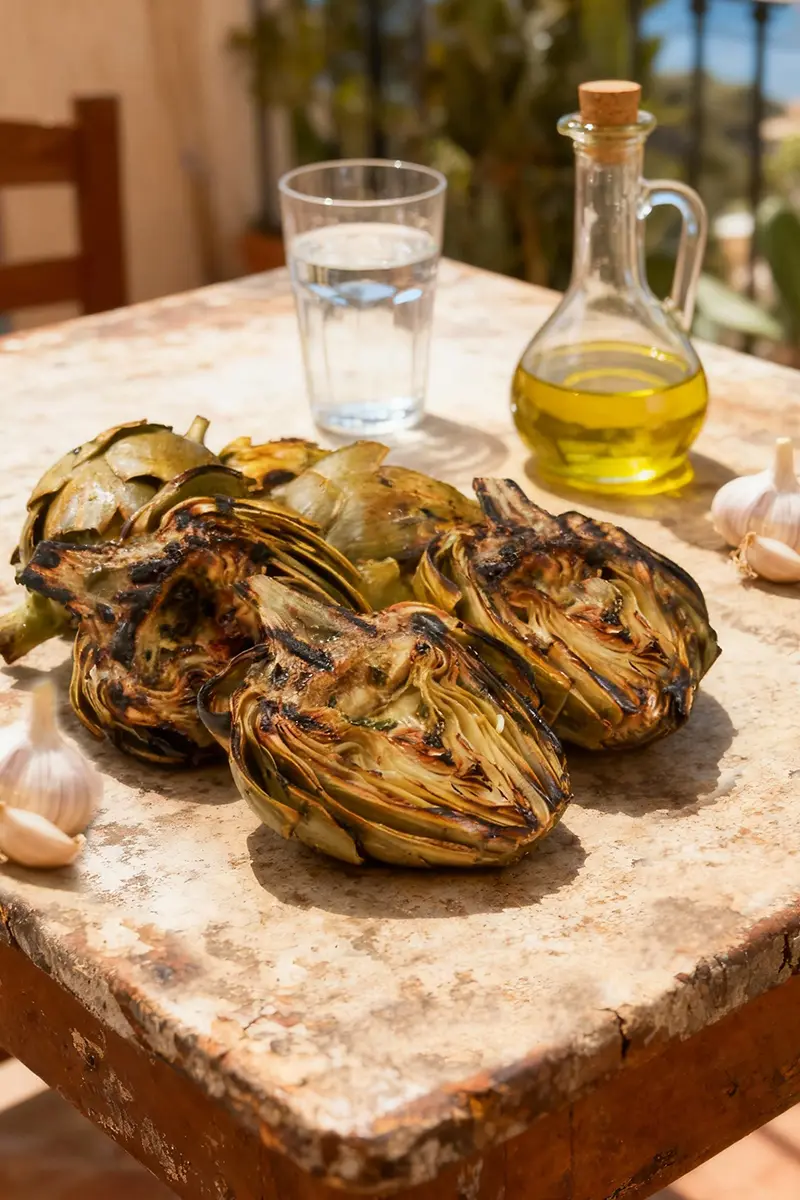
The Heritage of the Spanish Artichoke
A memory from the Mediterranean table
Hi there! I’m the heart and soul behind joyfulbiterecipes.com. One of the earliest food memories I cherish is sitting around my grandmother’s sunny kitchen in Valencia, hands stained with lemon juice and olive oil as we prepared fresh Spanish artichokes together. She taught me how to peel them, trim the tips, and simmer them in wine with garlic and jamón. That scent? It still lingers in my mind every time I cook artichokes today.
The Spanish artichoke isn’t just a vegetable; it’s a tradition. It symbolizes a way of life where meals are shared slowly, ingredients are respected, and simplicity rules the table. In Spain, this beloved thistle transforms into countless soulful dishes, from grilled a la plancha delights to rich stews infused with local ham. And once you taste it, you’ll understand why it holds such a strong place in the Mediterranean kitchen.
Artichokes are incredibly versatile—whether tossed in a crisp salad or blended into a creamy dip, they never disappoint. If you’re craving something refreshing, this Artichoke and Bean Salad is a delightful companion to the warmth of this Spanish dish. Prefer something indulgent for your next gathering? You’ll also love this rich and Gluten-Free Artichoke Dip that’s perfect for parties and potlucks.
Why Spanish artichokes deserve the spotlight
Unlike other globe varieties, the Spanish artichoke is all about tenderness, flavor, and tradition. Cultivated primarily in regions like Navarre and Murcia, these artichokes offer a nutty, sweet, and earthy taste with fewer fibrous textures. The heart is melt-in-your-mouth soft, making it perfect for both fresh dishes and preserved versions in olive oil.
Whether you’re planning to prepare a rustic appetizer or a main dish, the Spanish artichoke adds complexity without fuss. This article walks you through the popular varieties, traditional Spanish preparations, where to buy them, and how to enjoy them year-round.
You’ll even find a fresh and vibrant internal favorite, our Artichoke and Hearts of Palm Salad. which brings together preserved Spanish artichokes with zesty citrus and crunchy textures for an unforgettable bite.
Table of Contents
Spanish Artichoke – A Delicious Tradition of Taste, Varieties & Classic Preparation
A beloved traditional Spanish dish featuring tender artichokes slowly braised with garlic, onion, and savory cured ham. Perfect as a tapa or comforting side, this recipe highlights the simple beauty of Spanish ingredients.
- Prep Time: 15 minutes
- Cook Time: 25 minutes
- Total Time: 40 minutes
- Yield: 4 servings 1x
- Category: Side Dish
- Method: Braised
- Cuisine: Spanish
Ingredients
6 medium Spanish artichokes (Blanca de Tudela preferred)
1 cup diced jamón serrano or prosciutto
3 cloves garlic, thinly sliced
1 small onion, finely chopped
2 tablespoons extra virgin olive oil
1/2 cup dry white wine or chicken broth
1 tablespoon lemon juice
Salt to taste
Fresh parsley (optional, for garnish)
Instructions
1. Trim artichokes: Remove tough outer leaves, cut off stems, and slice into quarters. Place in lemon water to prevent browning.
2. Heat olive oil in a large skillet over medium heat. Add garlic and onion, and sauté until translucent.
3. Add diced jamón and cook for 2–3 minutes until slightly crisp.
4. Drain artichokes and add to the pan. Stir to coat in the aromatics.
5. Pour in wine or broth and bring to a gentle simmer.
6. Cover and cook for 15–20 minutes, or until artichokes are tender and liquid is mostly reduced.
7. Taste and season with salt if needed.
8. Garnish with chopped parsley before serving.
Notes
Use jarred Spanish artichoke hearts if fresh ones are unavailable—just reduce cooking time.
Pair this dish with crusty bread and a glass of Verdejo for a perfect Spanish-style appetizer or light dinner.
To make it vegetarian, skip the ham and add sautéed mushrooms for an umami kick.
Nutrition
- Serving Size: 1 cup
- Calories: 180
- Sugar: 1g
- Sodium: 460mg
- Fat: 10g
- Saturated Fat: 3g
- Unsaturated Fat: 6g
- Trans Fat: 0g
- Carbohydrates: 12g
- Fiber: 6g
- Protein: 9g
- Cholesterol: 18mg
Spanish Artichoke Varieties You Should Know
Blanca de Tudela: The star of Spanish kitchens
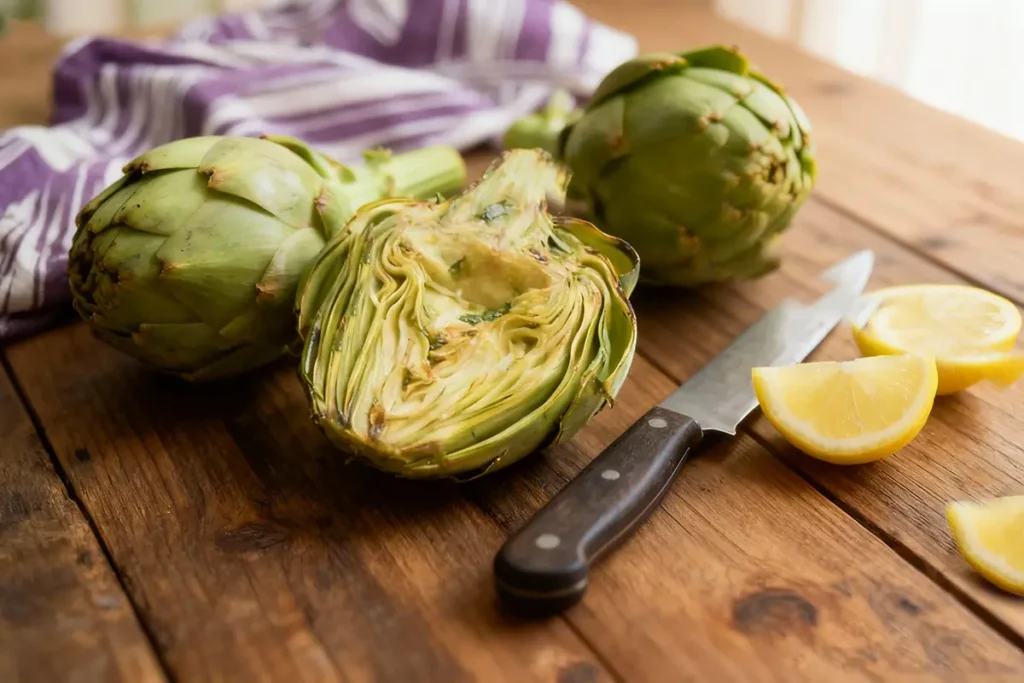
Blanca de Tudela is Spain’s most famous artichoke variety. Known for its compact, rounded head and tightly closed leaves, it’s grown predominantly in Navarre and the Ebro Valley. Harvest begins as early as October and runs through the spring. This variety is perfect for grilling, stuffing, or preserving in extra virgin olive oil.
What makes Blanca de Tudela special is its tender texture and very mild bitterness, which allows it to blend seamlessly into a wide range of recipes. The hearts are thick and buttery, ideal for both tapas and stews. In fact, it’s the variety most often used in dishes like alcachofas con jamón, a must-try Spanish comfort food.
Another reason why chefs adore Blanca de Tudela is its adaptability. It performs beautifully in both traditional and modern recipes, from a la plancha styles to innovative fusions like artichoke and goat cheese toast.
Violet de Provence and other lesser-known gems
Though not native to Spain, Violet de Provence is increasingly grown in Spanish soil and appreciated by gourmet chefs. This striking purple-tinted variety boasts an intense flavor with a subtle sweetness and soft floral notes. It’s more common in fine dining and often exported to France. When grilled or roasted, its color deepens and sugars caramelize, adding dramatic flair and taste.
Other Spanish varieties worth noting include:
- Lorca: Slightly violet-tinged, medium-sized, and known for consistent growth.
- Imperial Star: Larger and darker, often used for seed propagation.
- Madrigal & Opal: Late-season varieties harvested through spring, extending fresh artichoke season.
Together, these varieties provide options for every cooking style—whether you’re planning a holiday meal or a simple weeknight dinner.
Traditional Spanish Artichoke Preparation Techniques
A la Plancha: Simple, smoky perfection
Nothing captures the rustic essence of Spain like artichokes a la plancha. This method involves slicing the artichokes in halves or quarters and grilling them over a hot flat-top surface or cast-iron skillet. The trick is to let the natural sugars caramelize and the edges char slightly, giving the vegetable a smoky sweetness.
To make it, start by trimming and soaking the artichokes in lemon water. Dry thoroughly, brush with olive oil, and place cut-side down on a hot pan. Cook until golden brown and tender. Finish with sea salt, cracked pepper, and a splash of sherry vinegar.
For a twist, serve them with garlic aioli or Romesco sauce. They’re a stunning appetizer and pair wonderfully with crusty bread and a glass of Verdejo.
Alcachofas con Jamón and other heartwarming dishes
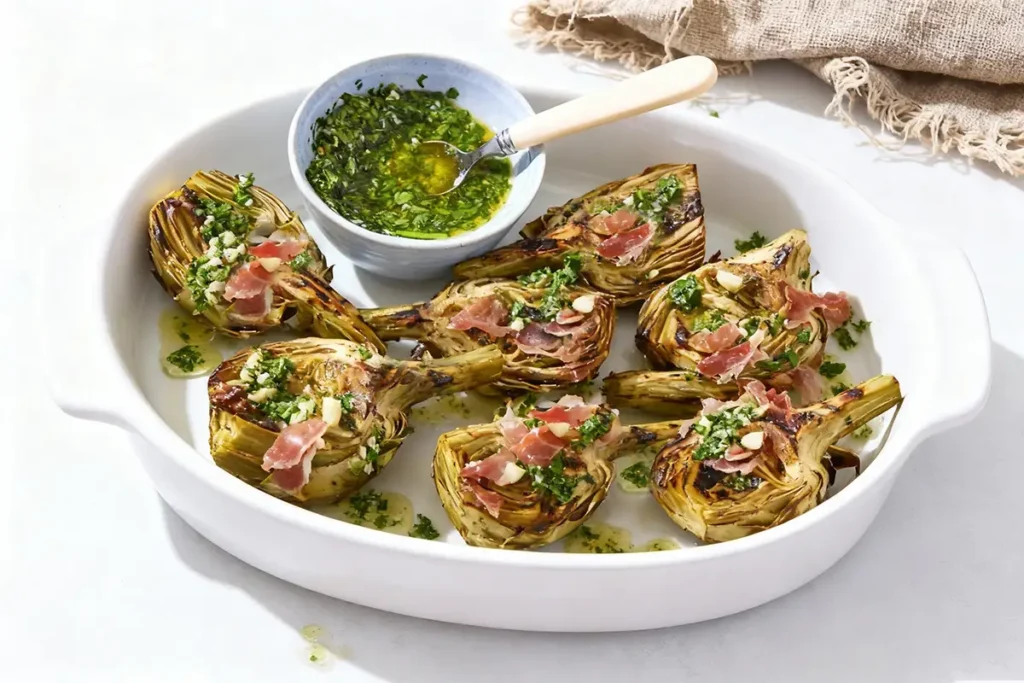
This iconic Spanish dish combines Spanish artichokes with cured ham, garlic, onions, and sometimes white wine. The ingredients are simple, but the flavor is unforgettable. Artichokes absorb the salty, rich taste of jamón as they stew slowly, creating a comforting dish that’s best served warm with crusty bread.
Here’s a basic version:
- Sauté jamón in olive oil until slightly crispy.
- Add chopped garlic and onion.
- Stir in cleaned artichoke quarters.
- Deglaze with white wine or chicken broth.
- Simmer until the artichokes are fork-tender.
Looking for variety? Try Spanish artichoke fritters (buñuelos), which are lightly battered and fried until golden. Or serve artichokes braised with clams and saffron for a Basque twist.
And if you’re craving something light and refreshing, don’t forget our Artichoke and Hearts of Palm Salad. a go-to year-round favorite that brings together citrus, herbs, and olive oil-marinated artichokes for a clean and zesty dish.
Finding and Preserving the Best Spanish Artichokes
What to look for in fresh and jarred Spanish artichokes
When buying fresh artichokes, choose ones that feel heavy for their size with tightly closed leaves. A slight squeak when squeezed is a good sign of freshness. The color should be vibrant green (or violet for Provence types), and the stem firm, not spongy.
For preserved options, look for jars labeled Producto de España and packed in extra virgin olive oil, not brine. These often contain Blanca de Tudela hearts and are superior in flavor and texture. Check labels for traceability, and avoid overly soft or mushy hearts.
Spanish brands like Navarrico, Conservas El Navarrico, and La Catedral de Navarra are known for quality.
Here’s a quick comparison:
| Type | Best Use | Shelf Life |
|---|---|---|
| Fresh | Grilling, stuffing, stews | 1 week refrigerated |
| Jarred in Olive Oil | Salads, tapas, pasta | 1–2 years unopened |
Pantry staples and preservation tips
Preserved Spanish artichokes are pantry gold. Keep jars in a cool, dark space. Once opened, store in the fridge and use within 3–4 days. You can also marinate them further with garlic, chili flakes, and fresh herbs for a ready-to-go tapas dish.
Try combining preserved artichoke hearts with grilled zucchini, olives, and Manchego for a quick platter. Or toss them into your next frittata, risotto, or pasta.
Preserving seasonal produce is part of the Spanish kitchen philosophy, so stock up when you can!
FAQ: Cooking Spanish Artichokes
1. What makes Spanish artichokes different from others?
Spanish artichokes, especially Blanca de Tudela, are less fibrous, more tender, and have a sweeter, nuttier flavor. They are ideal for grilling, stewing, and preserving.
2. Can I substitute jarred artichokes for fresh ones in Spanish recipes?
Yes. While fresh is best for grilling or stuffing, high-quality jarred Spanish artichokes work beautifully in salads, pastas, and quick sautés; especially when preserved in olive oil.
3. How do I trim Spanish artichokes properly?
Remove tough outer leaves until the pale ones show. Trim the tips with scissors, slice the top off, and peel the stem. Soak in lemon water to prevent browning.
4. Which wine pairs well with Spanish artichokes?
Crisp Spanish whites like Albariño, Verdejo, or a dry Fino sherry pair well, cutting through the earthy notes and enhancing flavor.
Bringing Spanish Artichokes Into Your Everyday Cooking
Spanish artichokes aren’t just food they’re a connection to history, flavor, and joy around the table. From the smoky thrill of a la plancha to the comfort of alcachofas con jamón, their versatility makes them a beloved staple.
Whether you’re savoring them fresh from the farmer’s market or popping open a jar of olive oil-preserved hearts, there’s always room for artichokes on your table. Try pairing them with one of our fan favorites: the Artichoke and Hearts of Palm Salad for a crisp, citrusy bite that balances richness and freshness perfectly.
Bring a piece of Spain home, one heart at a time.