
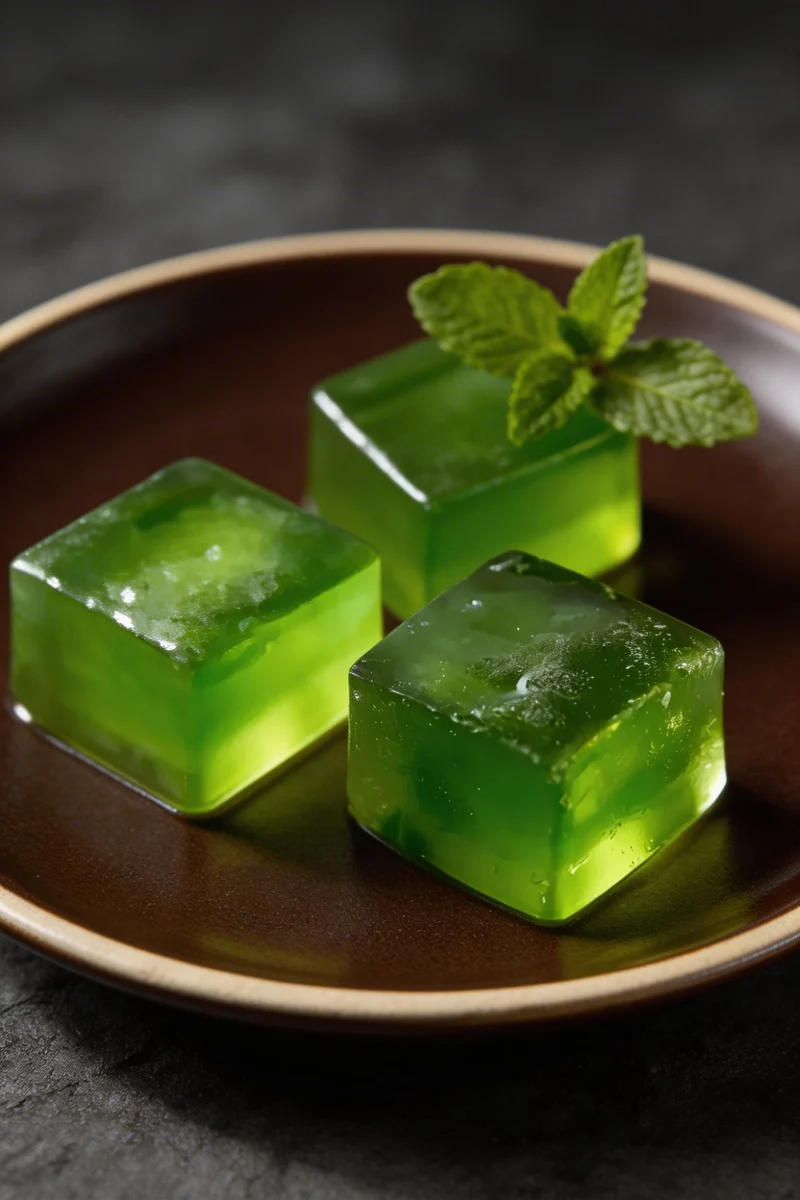
Green tea gelatin recipe for weight loss combines two of the most evidence-backed functional ingredients in metabolic nutrition into a single preparation that takes five minutes to make and delivers results that neither ingredient achieves alone. The EGCG from high-quality green tea activates thermogenic pathways and supports fat oxidation. The glycine from grass-fed gelatin slows gastric emptying, supports gut lining integrity and quiets appetite signals. Together they create what is arguably the most complete metabolic gelatin snack available in a functional kitchen in 2026.
This recipe is not a fat burner in the pharmaceutical sense. It is a precise, low-calorie tool for appetite management and metabolic support that works by making your body’s own regulatory systems function more efficiently. Here is everything you need to make it correctly.
Table of Contents
Why You Will Love This Recipe
This green tea gelatin recipe for weight loss earns its place in a functional daily routine for three reasons that most single-ingredient preparations cannot offer simultaneously.
First, the caloric density is exceptionally low: approximately 35 to 45 calories per serving with 8 to 10 grams of protein from the gelatin. That protein-to-calorie ratio is difficult to match in any other quick preparation. Second, the green tea jello benefits extend beyond simple satiety. The EGCG and weight loss connection is supported by multiple systematic reviews showing that green tea catechins increase fat oxidation and resting energy expenditure. Third, the entire preparation requires five minutes of active work and four ingredients, making it genuinely sustainable as a daily habit rather than an occasional effort.
For those who prefer the anthocyanin-rich pink version, this green tea preparation is a powerful alternative to the Dr. Oz Pink Gelatin Recipe for people who want the antioxidant profile of green tea instead of hibiscus.
What Is Green Tea Gelatin?
Green tea gelatin is a fat burning gelatin preparation made by blooming grass-fed unflavored gelatin in cold water, then dissolving it in freshly brewed green tea. The result can be consumed warm as a functional drink or chilled into a soft gel that functions as a metabolic gelatin snack with texture and volume.
The synergy between EGCG and gelatin amino acids operates through two distinct but complementary mechanisms. EGCG inhibits catechol-O-methyltransferase, an enzyme that breaks down norepinephrine, the neurotransmitter responsible for activating fat cells to release stored fatty acids. By prolonging norepinephrine activity, EGCG effectively extends the fat mobilization signal. Simultaneously, glycine from the gelatin supports the gut lining and modulates appetite hormones, creating a preparation that addresses both the thermogenic and satiety dimensions of weight management.
The green tea catechins are recognized for their role in increasing fat oxidation and energy expenditure in multiple peer-reviewed systematic reviews, with the strongest evidence coming from preparations using at least 270 mg of EGCG per day.
To understand the full evidence base for why gelatin itself is a legitimate satiety tool rather than just a wellness trend, the Does the Gelatin Trick Work analysis covers every mechanism with its corresponding evidence level.
PrintGreen Tea Gelatin Recipe for Weight Loss
Green tea gelatin recipe for weight loss combining EGCG-rich green tea and grass-fed gelatin to support fat oxidation, satiety, and metabolic balance in a low-calorie functional snack.
- Prep Time: 5 minutes
- Cook Time: 0 minutes
- Total Time: 5 minutes
- Yield: 1 serving 1x
- Category: Drink
- Method: No-Bake
- Cuisine: Functional Nutrition
- Diet: Gluten Free
Ingredients
- 1 tablespoon grass-fed unflavored gelatin powder
- 200 ml freshly brewed green tea (not boiling)
- 3 tablespoons cold water
- Juice of 1/2 fresh lemon
- 3 to 5 drops stevia or monk fruit (optional)
- Thin slice of fresh ginger (optional)
Instructions
- Sprinkle gelatin over cold water and let bloom for 4 to 5 minutes.
- Brew green tea at about 80°C (not boiling).
- Pour hot tea over bloomed gelatin and stir until fully dissolved.
- Add lemon juice and optional sweetener.
- Option 1: drink warm immediately.
- Option 2: pour into mold and refrigerate for 60 minutes until gel forms.
Notes
Do not use boiling water as it reduces catechin content. Best consumed before meals or as an evening satiety tool. Use high-quality green tea for maximum EGCG content.
Nutrition
- Serving Size: 1 serving
- Calories: 40
- Sugar: 0g
- Fat: 0g
- Carbohydrates: 2g
- Fiber: 0g
- Protein: 9g
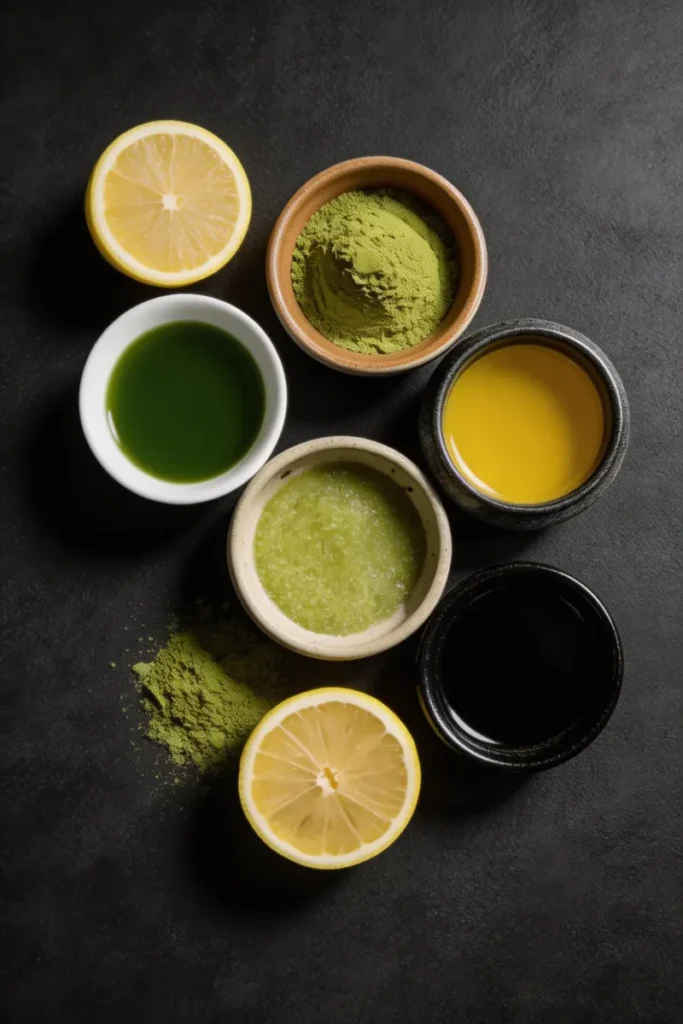
Simple Ingredient Table
| Ingredient | Amount | Purpose |
|---|---|---|
| Grass-fed unflavored gelatin powder | 1 tablespoon | Provides glycine and protein for satiety, gut support, and gel texture. |
| Freshly brewed green tea | 200 ml | Delivers EGCG and catechins that support thermogenesis and fat oxidation. |
| Cold water | 3 tablespoons | Used to bloom the gelatin for smooth texture and proper dissolving. |
| Fresh lemon juice | Juice of 1/2 lemon | Improves flavor and helps support catechin stability and absorption. |
| Liquid stevia or monk fruit sweetener | 3 to 5 drops or a small pinch | Adds sweetness without added sugar. |
| Fresh ginger | 1 thin slice (optional) | Adds digestive support and a warming functional note. |
On green tea selection: Use loose leaf sencha, gyokuro or high-quality matcha for the highest EGCG concentration. Standard supermarket green tea bags deliver approximately 50 to 100 mg of catechins per cup. A strong brew from quality loose leaf tea delivers 150 to 300 mg. If you use matcha, dissolve half a teaspoon in the hot water before adding the bloomed gelatin. For anyone following specific health protocols who wants to understand matcha’s specific properties and contraindications, the Can I Drink Matcha While Pregnant article covers the relevant safety considerations in detail.
How To Make
Quick Overview
Bloom gelatin in cold water for 5 minutes, brew strong green tea at 80°C, dissolve bloomed gelatin in hot tea, add lemon and sweetener, then either drink warm immediately or pour into a mold and chill for 60 minutes.
Step-by-Step Instructions
Step 1: Bloom the Gelatin
Place the 3 tablespoons of cold water in a small glass bowl. Sprinkle the gelatin powder evenly over the cold water surface in a thin layer. Do not stir or disturb. Allow to rest undisturbed for 4 to 5 minutes until the gelatin has fully absorbed the water and formed a swollen, spongy mass. This blooming step is the most important technical element of the recipe. Skipping it or rushing it produces incompletely hydrated gelatin that forms lumps when added to hot liquid, making the texture of the final preparation unpleasant and the dissolution incomplete.
Step 2: Dissolve the Gelatin
Brew your green tea at 80°C, not at full boiling temperature. Boiling water destroys a significant proportion of the catechins, the very compounds you are trying to deliver. A temperature of 75 to 80°C produces the optimal balance between catechin extraction and preservation. Pour the hot green tea directly over the bloomed gelatin mass and stir immediately and continuously for 2 to 3 minutes until no visible granules remain. The liquid should be completely clear or lightly green-tinted with no cloudiness from undissolved gelatin particles.
Step 3: Add Flavor
Add the fresh lemon juice and sweetener if using. Stir to combine. The lemon serves two functions: it brightens the flavor of the green tea and provides vitamin C that improves the bioavailability of the green tea catechins. Research suggests that the acidic environment created by vitamin C stabilizes EGCG and reduces its degradation during digestion, meaningfully increasing the amount that reaches the bloodstream.
Step 4: Pour into Mold
For the gel version, pour into a small glass ramekin, silicone mold or any heat-safe container. For the warm drink version, pour directly into your serving glass.
Step 5: Chill
Refrigerate the gel version for a minimum of 60 minutes or until fully set. The gel should be soft and wobbly, not firm like commercial gelatin products. The soft gel texture creates a stronger gastric volume effect than the liquid version because the gel structure is maintained for longer in the stomach.
Step 6: Serve
Serve the gel version cold directly from the mold or turned out onto a small plate. Serve the warm drink version immediately after preparation, sipping slowly over 10 to 15 minutes.
Expert Tips
Use Quality Green Tea
The temperature rule is non-negotiable for both flavor and function. Green tea brewed above 85°C turns bitter from excessive tannin extraction and loses a meaningful proportion of its catechins. Use water that has just stopped steaming but has not reached a rolling boil. If you do not have a temperature-controlled kettle, bring water to a boil and allow it to cool for 2 minutes before using.
Control Sweetness Carefully
The glycemic impact of this preparation depends entirely on what sweetener you use. Stevia and monk fruit maintain the low glycemic profile of the recipe and have the most favorable evidence profile for gut microbiome compatibility. Honey and agave, while natural, add sugar that elevates the glycemic response and partially counteracts the insulin-sensitizing effects of the EGCG. Keep sweetness minimal. The lemon and green tea combination develops a pleasant tartness once you adjust to it over a few days of daily preparation.
Add Functional Drinks
This green tea gelatin recipe for weight loss integrates seamlessly into a broader functional drink rotation. The drinks to weight loss collection on this site provides complementary preparations that pair well with this recipe across different times of day.
Serving Ideas and Routine Pairing
Morning Boost or Pre-Workout Snack
The warm liquid version consumed in the morning provides a gentle caffeine delivery from the green tea combined with glycine’s gut-supportive effects before the first meal. As a pre-workout preparation consumed 30 minutes before moderate exercise, the EGCG’s fat oxidation enhancement is most pronounced during the subsequent physical activity, making this one of the most strategically timed fat burning gelatin preparations available.
Healthy Routine Pairing
The gel version consumed 45 to 60 minutes before the main evening meal functions as the satiety anchor for the night, reducing meal portion size through gastric volume and quieting post-dinner cravings through glycine’s neurological calming effect. This makes it the ideal companion to the Evening Satiety Protocol on this site, which builds a complete nighttime routine around exactly this type of preparation.
For a structured framework that integrates this recipe into a complete 21-day dietary reset, the 21-Day Cleanse Program places functional gelatin preparations within a broader context of anti-inflammatory eating, gut restoration and metabolic recalibration.
FAQs: Green tea gelatin recipe for weight loss
What are the three things you add to gelatin to lose weight?
The three ingredients that transform plain gelatin into a functional metabolic gelatin snack are: a catechin-rich liquid base like green tea or hibiscus tea that delivers thermogenic polyphenols, an acid component like fresh lemon juice that stabilizes those polyphenols and improves their bioavailability, and the grass-fed gelatin itself which provides glycine for satiety, gut lining support and sleep quality improvement. These three elements work through three different mechanisms simultaneously, which is why this preparation outperforms single-ingredient approaches.
What is the 3 ingredient drink for weight loss?
The green tea gelatin recipe is one of the most functionally complete 3 ingredient drinks for weight loss available: gelatin for satiety and glycine, green tea for EGCG and thermogenesis, and lemon for vitamin C and catechin stabilization. For a different but equally simple functional preparation, the 2-ingredient coffee loophole recipe on this site offers a complementary morning option built around a different metabolic mechanism.
How much gelatin should I take each day?
The therapeutic dose range used in clinical research on satiety and gut health benefits is 10 to 15 grams of gelatin protein per day, which corresponds to approximately 1 to 1.5 tablespoons of standard grass-fed gelatin powder. One serving of this recipe delivers approximately 7 to 10 grams, which is within the functional range. For a complete comparison of how gelatin and collagen supplements differ in their optimal daily doses and specific applications, the Gelatin vs Collagen for Weight Loss guide covers the full dosing picture.
Storage and Reheating
The warm liquid version must be consumed immediately after preparation. It cannot be stored because the gelatin will set as it cools and the resulting gel in a drinking glass is not practical to reheat without altering the texture.
The gel version can be stored in a covered container in the refrigerator for up to 48 hours. After 48 hours, the gel begins to weep liquid as the protein matrix contracts, which alters the texture without affecting the nutritional profile.
For batch cooking, prepare up to four individual gel portions at once using the same base recipe scaled proportionally. Store each portion in a small covered ramekin. Do not freeze: freezing ruptures the gel matrix and produces an unpleasant grainy texture upon thawing that cannot be reversed.
Do not reheat the gel version in a microwave. If you prefer the warm drink version, remake it fresh each time using the 5-minute preparation method.
You Might Also Like
- Natural Mounjaro Recipe — functional drink cluster for gut-targeted appetite management
- Matcha Pan — for matcha lovers who want to explore Japanese functional baking
- Baking Soda Trick — the digestive environment article that complements the gut-supportive effects of this recipe
✅