
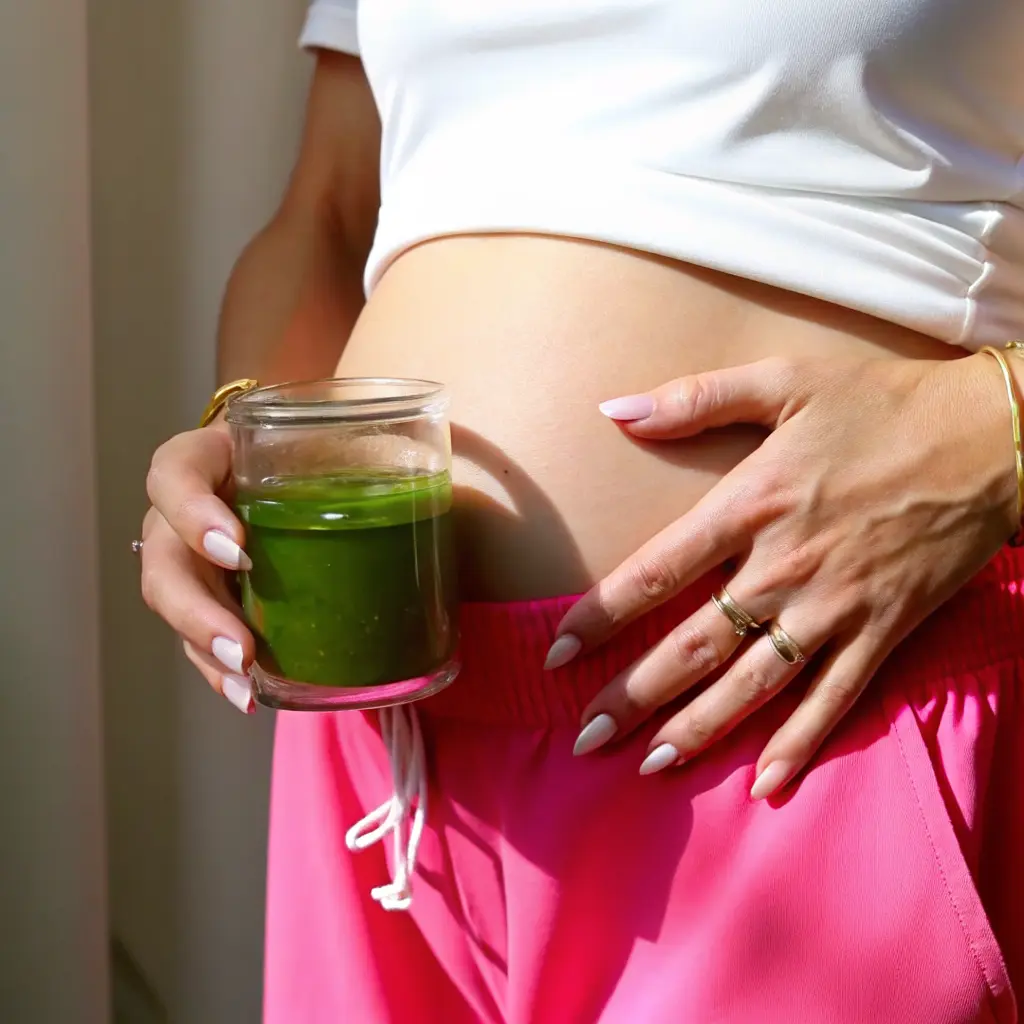
Can I drink matcha while pregnant? It’s a question that comes up often among expecting moms who love their daily green cup. Matcha, with its vibrant color and calming energy boost, has become a favorite for many, but is it safe during pregnancy?
Let’s explore what matcha really is, the role of caffeine during pregnancy, and how you can safely enjoy it if you’re expecting. Whether you’re curious, cautious, or just looking for a better option than coffee, this guide offers clarity with facts, expert advice, and a personal touch from Emily’s own story.
Looking for healthy sips? Don’t miss our antioxidant-rich butterfly pea flower tea and calming pine needle tea, perfect for pregnancy-safe hydration.
Table of Contents
What Is Matcha
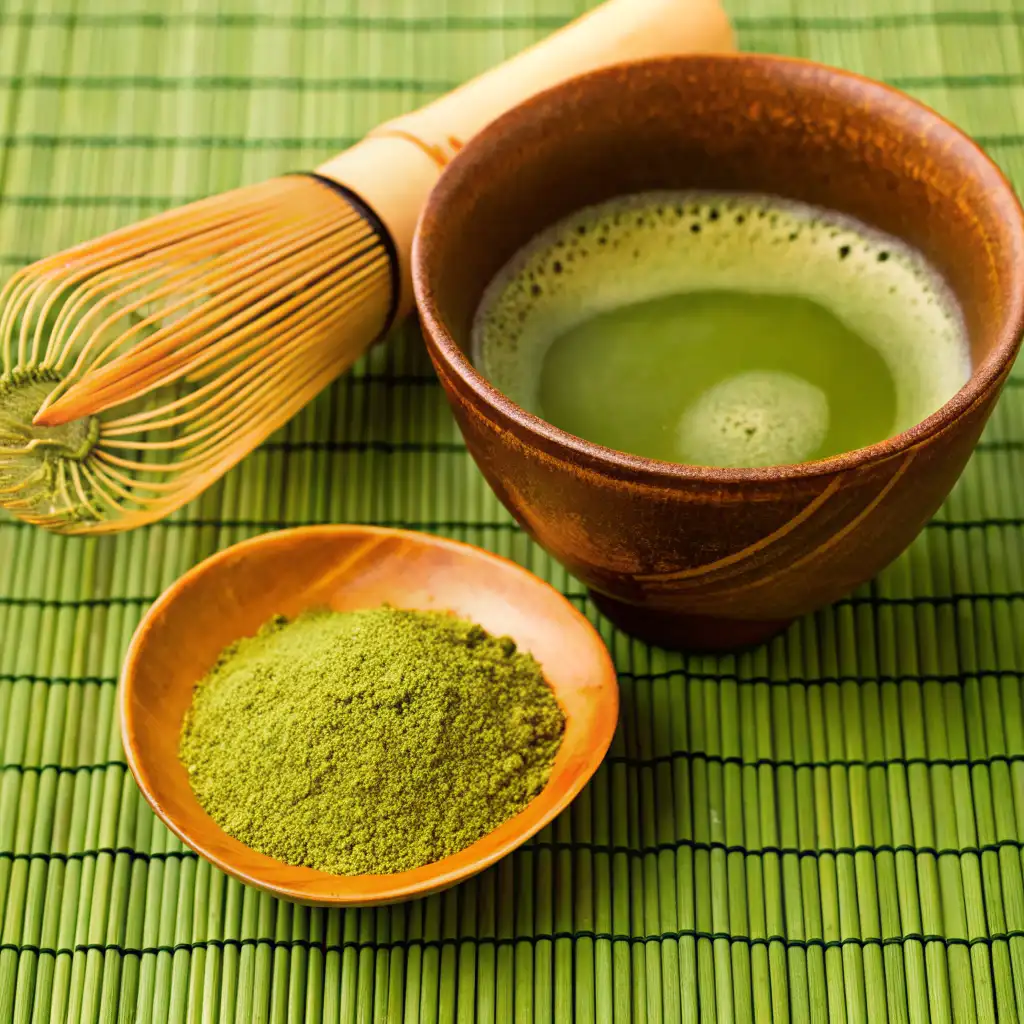
Matcha is a finely ground powder made from specially grown and processed green tea leaves, traditionally used in Japanese tea ceremonies. Unlike steeped green tea, matcha contains the whole leaf, giving it a higher concentration of nutrients and caffeine.
Because you’re consuming the entire leaf, matcha provides a stronger antioxidant punch, more chlorophyll, and a smooth, sustained energy boost compared to regular tea.
Is Matcha Safe During Pregnancy?
So, can I drink matcha while pregnant without worrying about my baby’s health?
When it comes to matcha and pregnancy, the key word is “moderation.”
Matcha is generally considered safe in small amounts during pregnancy. However, it does contain caffeine, and that’s where concerns arise. The American College of Obstetricians and Gynecologists recommends limiting caffeine intake during pregnancy to 200 mg per day.
Since matcha contains both caffeine and a high antioxidant load, pregnant individuals need to consider both the quantity and quality of what they consume.
PrintCan I Drink Matcha While Pregnant? What You Need to Know
Wondering if matcha is safe during pregnancy? This guide explains everything—from caffeine content to safe servings, benefits, risks, and expert advice—plus Emily’s personal story of sipping matcha in her third trimester.
- Prep Time: 5 minutes
- Cook Time: 0 minutes
- Total Time: 5 minutes
- Yield: 1 serving 1x
- Category: Healthy Drink
- Method: No Cook
- Cuisine: Japanese
Ingredients
- 1/2–1 teaspoon of ceremonial-grade matcha powder
- Hot (not boiling) water or warm milk
- Optional: oat milk, honey, or smoothie ingredients
- Organic matcha from reputable sources
Instructions
- Measure 1/2–1 teaspoon of matcha powder into a bowl or cup.
- Add a small amount of hot (not boiling) water to whisk and dissolve matcha into a smooth paste.
- Fill with more warm water or milk of choice (like oat milk).
- Sweeten with honey if desired.
- Enjoy matcha between meals, away from prenatal vitamins.
- Limit intake to avoid exceeding 200 mg of caffeine per day.
- Consult your doctor if unsure or if you have high-risk factors.
Notes
Opt for ceremonial-grade matcha to reduce risk of heavy metals and ensure higher quality. Matcha may interfere with folic acid absorption, so take prenatal vitamins separately.
Nutrition
- Serving Size: 1 cup
- Calories: 25
- Sugar: 1g
- Sodium: 5mg
- Fat: 0g
- Saturated Fat: 0g
- Unsaturated Fat: 0g
- Trans Fat: 0g
- Carbohydrates: 2g
- Fiber: 0g
- Protein: 1g
- Cholesterol: 0mg
How Much Caffeine Is in Matcha?
Many women wondering, “Can I drink matcha while pregnant?” are concerned about how it compares to coffee.
A typical serving of matcha (1 gram of powder or about ½ teaspoon) contains around 35–70 mg of caffeine, depending on grade and preparation.
Let’s compare:
| Beverage | Avg. Caffeine per Serving |
|---|---|
| Coffee (8 oz) | 95–200 mg |
| Matcha (1 tsp) | 70 mg |
| Green Tea (8 oz) | 25–45 mg |
| Black Tea (8 oz) | 47–90 mg |
During pregnancy, your body metabolizes caffeine slower, meaning it stays in your system longer. High caffeine intake may affect fetal development and sleep patterns in later trimesters.
So, if you’re drinking matcha, keep servings small and spaced out, or try half a teaspoon in lattes or smoothies to stay within safe limits.
Benefits of Drinking Matcha While Pregnant (In Moderation)
1. A Gentle Energy Boost
Unlike the jolt from coffee, matcha offers steady, calm energy thanks to L-theanine, a compound that promotes relaxation without drowsiness.
2. Rich in Antioxidants
Matcha is loaded with EGCG, a catechin known for its antioxidant power. These compounds help fight inflammation and support the immune system, something especially helpful during pregnancy.
3. Mental Clarity and Focus
Pregnancy brain is real. Many moms turn to matcha for its reputation in supporting alertness and memory, without the harsh caffeine spike.
Looking for a natural metabolism boost while staying balanced? Try our Brazilian Mounjaro weight loss recipe for a gentle, whole-food approach.
Potential Risks of Matcha During Pregnancy
1. Caffeine Sensitivity
Even low amounts of caffeine can lead to restlessness, heartburn, or insomnia, especially during the third trimester.
2. Folic Acid Absorption
Some studies suggest green tea (and matcha) may slightly interfere with folic acid absorption, especially when consumed in large amounts. Since folate is critical for neural tube development, it’s wise to avoid matcha around the time you take prenatal vitamins.
3. Heavy Metals
Like all teas, matcha can sometimes contain trace heavy metals depending on the soil it was grown in. Always choose organic, high-quality ceremonial-grade matcha from reputable sources to avoid contamination.
How to Enjoy Matcha Safely While Pregnant
- ✅ Limit to ½–1 teaspoon per day
- ✅ Avoid matcha on an empty stomach
- ✅ Space it away from prenatal vitamin time
- ✅ Stick to ceremonial or organic matcha brands
- ✅ Use food-based pairings like matcha oatmeal or matcha banana bread
- ✅ Talk to your doctor, especially if you’re sensitive to caffeine or have high-risk factors
Emily’s Story: A Calmer Cup During Her Third Trimester
Emily, a mom of two and matcha enthusiast, made the switch from her usual 2-coffee routine to matcha during her third trimester. Her goal? To feel more energized without the jitters.
“I started sipping matcha lattes made with oat milk and a drizzle of honey,” she says. “It became a daily ritual, something warm and comforting that didn’t upset my stomach or mess with my sleep.”
Emily credits her matcha routine with helping her feel more in control, especially during the slower, heavier days leading up to delivery.
Want to feel good sipping something green and wholesome? Explore our naturally soothing pine needle tea for another caffeine-free option.
People Also Ask: Matcha & Pregnancy
Can I drink matcha while pregnant?
Yes, you can drink matcha while pregnant, but moderation is key. Health experts recommend limiting caffeine intake to 200mg per day during pregnancy, and one teaspoon of matcha contains approximately 35-70mg of caffeine. This means you can safely enjoy 2-3 cups of matcha daily. However, always consult your healthcare provider before consuming matcha or any caffeinated beverages during pregnancy, as individual health conditions may require stricter limitations.
Is matcha tea ok during pregnancy?
Matcha tea is generally considered safe during pregnancy when consumed in moderation. The key benefits include L-theanine for calm energy, antioxidants for cellular protection, and essential nutrients. However, you should choose high-quality ceremonial-grade or organic matcha to minimize the risk of heavy metal contamination, which is more common in lower-grade powders. Additionally, drink matcha between meals and away from prenatal vitamins to ensure proper absorption of folic acid and iron.
What tea to avoid during pregnancy?
During pregnancy, avoid teas high in caffeine (more than 200 mg daily total), including excessive black tea, green tea, and oolong tea. Also avoid herbal teas with potentially harmful ingredients like black cohosh, blue cohosh, dong quai, licorice root, pennyroyal, and sage, as these may stimulate uterine contractions or affect hormone levels. Limit or avoid teas with unknown ingredients or those marketed for weight loss or detoxification. Always check with your healthcare provider before consuming any herbal tea during pregnancy.
Does matcha affect folic acid?
Yes, matcha can interfere with folic acid absorption if consumed at the same time as prenatal vitamins. The catechins and tannins in matcha may bind to folate and other nutrients, reducing their bioavailability. To prevent this, drink matcha at least 1-2 hours before or after taking your prenatal vitamins. This timing gap ensures optimal absorption of folic acid, which is crucial for preventing neural tube defects in early pregnancy. Enjoy your matcha between meals rather than with vitamin supplements.
Does matcha cross the placenta?
Yes, caffeine from matcha does cross the placenta and enters the fetal bloodstream. Since the developing fetus cannot metabolize caffeine efficiently, it can accumulate in the baby’s system. This is why healthcare providers recommend limiting caffeine intake to 200mg per day during pregnancy. However, matcha also contains L-theanine, which may help moderate caffeine’s effects and provide a more balanced energy boost compared to coffee. When consumed within recommended limits, matcha is considered safe, but always discuss your caffeine consumption with your healthcare provider.
Final Thoughts on Matcha for Expecting Moms
Can you drink matcha while pregnant? Yes, with care and mindfulness. While matcha can be part of a healthy prenatal routine, it’s all about moderation, quality, and timing. Pay attention to how your body feels, talk to your doctor, and enjoy the calm energy that matcha offers.
Whether you’re replacing coffee or simply savoring something green and grounding, matcha might just become your new favorite sip during pregnancy and beyond.
In short, if you’ve been wondering, “Can I drink matcha while pregnant?” the answer is yes, when enjoyed in moderation and with care.
📌 Love visual guides? Save this Pegan snack infographic to your Pinterest board for easy reference!