
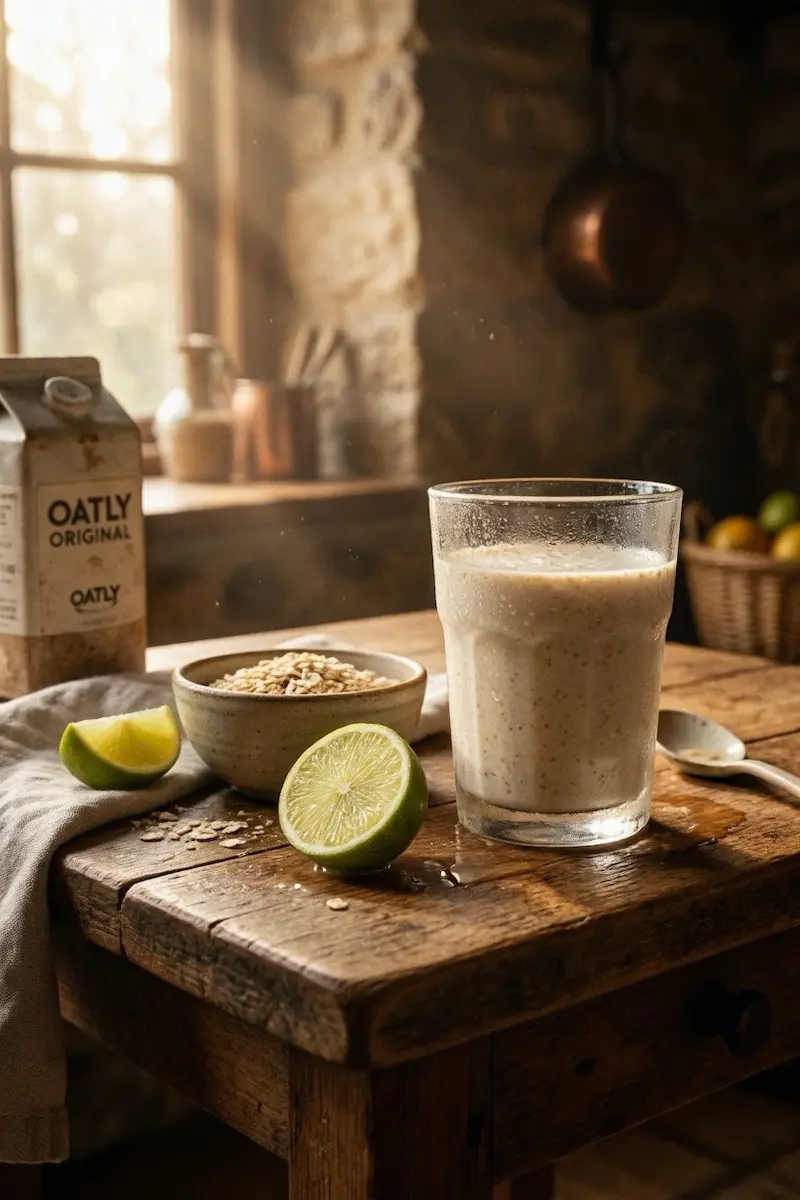
The oat trick for weight loss recipe has been circulating on TikTok and wellness forums for months, and for good reason. Unlike most viral health trends that disappear after a few weeks of scrutiny, this one holds up. Oats are among the most studied foods in nutrition science, and the specific way you prepare and time them matters more than most people realize.
If you have tried cutting calories, skipping meals, or cycling through trendy drinks only to find yourself hungry and back at square one by 3 p.m., this article is for you. Below you will find three concrete daily tips, a practical recipe, the science behind why it works, and a clear-eyed look at the common mistakes that cancel out the benefits.
Before diving in, it is worth noting that oats are just one piece of a larger puzzle. If you want a broader look at which drinks and habits pair well with food-based weight loss strategies, our guide to drinks that support weight loss covers the full picture.
Table of Contents
Does the Oat Trick for Weight Loss Recipe Really Work?
The honest answer is: yes, with important caveats. Oats are not a fat-burning ingredient and they will not override a poor diet. What they do exceptionally well is reduce hunger, stabilize blood sugar, and make it easier to eat less overall without feeling deprived. That is a genuinely useful mechanism.
The trick part of the name is really about preparation and timing. Eating a bowl of sugary instant oats at 8 a.m. and then snacking every two hours is not the oat trick. The actual method involves using oats in a specific way (usually as a drink or a pre-meal ritual) to trigger satiety before your appetite gets the better of you.
The results people report are consistent with what nutrition research predicts: reduced snack cravings, smaller portion sizes at meals, and steadier energy throughout the day. None of this is magic, but it is real and it compounds over time.
If you are already familiar with similar food-based appetite strategies, it is worth reading our breakdown of whether the gelatin trick actually works, which covers the overlapping science of satiety-focused food rituals and how they compare to each other.
What Is the Oat Trick for Weight Loss Recipe?
The oat trick refers to a specific preparation method that turns oats into a high-fiber, high-satiety drink or pre-meal snack, consumed at a strategic moment in your day. The most popular version, sometimes called oatzempic, involves blending soaked oats with water and lemon juice to create a thick, drinkable consistency.
The name oatzempic is a social media coinage comparing the satiety effect of oats to that of GLP-1 medications like Ozempic. The comparison is loose and scientifically imprecise, but the underlying logic is not entirely wrong: oats stimulate similar satiety signaling pathways through beta-glucan fiber, albeit far more modestly than a prescription drug.
There are three main versions of the trick in circulation: the oat water drink, the blended oat shake, and the pre-meal oat snack. Each delivers the same core benefit, which is a high dose of soluble beta-glucan fiber before or between meals. The differences come down to texture preference and lifestyle fit.
Why Oats Can Help with Weight Loss
Oats are one of the richest natural sources of beta-glucan, a type of soluble fiber that has been extensively studied for its effects on appetite, blood sugar, and cholesterol. When beta-glucan reaches your digestive tract, it forms a thick, gel-like substance that slows gastric emptying. That slower digestion translates directly to longer-lasting fullness after eating.
Research published by the National Institutes of Health confirms that beta-glucan supplementation significantly reduces appetite and energy intake in controlled studies. A single serving of oats can deliver 3 to 4 grams of beta-glucan, which approaches or meets the threshold shown to produce meaningful satiety effects. For reference, that threshold is generally cited as 3 grams per meal.
External reference: NIH review on beta-glucan and appetite regulation
Beyond fiber, oats have a relatively low glycemic index when prepared properly (not instant, not heavily sweetened), which means they produce a gradual rise in blood glucose rather than a spike and crash. That stable glucose curve is what prevents the mid-morning energy dip that sends most people reaching for something sweet.
Oats are also a source of resistant starch, particularly when cooled after cooking. Resistant starch feeds beneficial gut bacteria, which in turn produce short-chain fatty acids that support metabolic health. This is a slower, less flashy benefit than appetite control, but it matters for long-term weight management.
Oat Trick for Weight Loss Recipe (Simple Version)
This is the core recipe. Keep it as simple as possible when you are starting out. You can build in variations later once the habit is established.
Ingredients
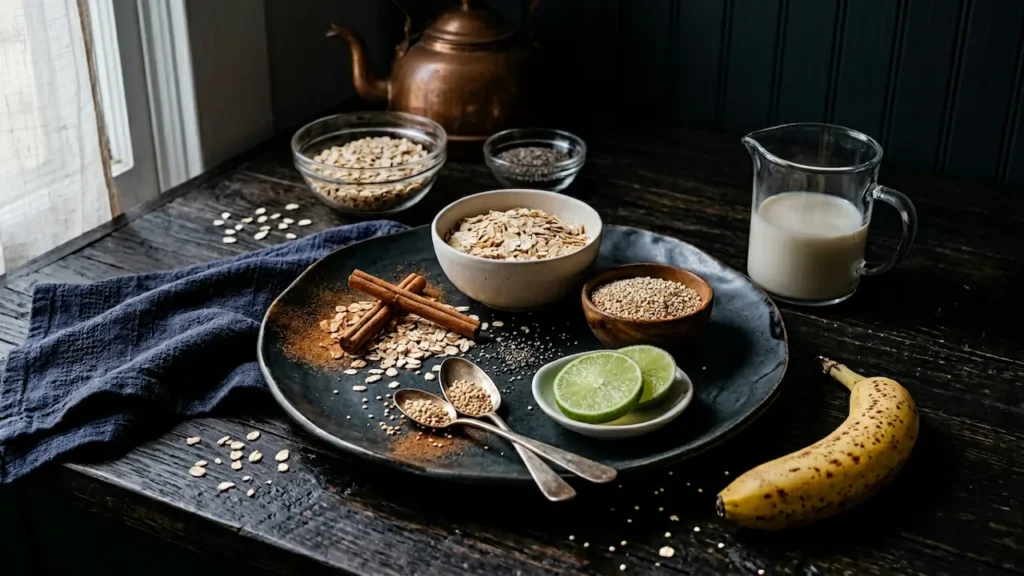
- 40 g (roughly 1/3 cup) rolled oats, not instant
- 300 ml cold or room-temperature water
- Juice of 1/2 lemon (freshly squeezed)
- 1 pinch of cinnamon (optional but useful for blood sugar)
- 1/2 teaspoon raw honey or a few drops of liquid stevia (optional)
Why these ingredients work together: Rolled oats provide the beta-glucan. Cold water preserves more resistant starch than hot water. Lemon juice adds vitamin C and makes the drink more palatable without adding meaningful calories. Cinnamon has a modest but documented effect on insulin sensitivity. Sweetener is purely optional and should be kept minimal.
Instructions
- Soak the rolled oats in the 300 ml of water for at least 8 hours (overnight in the fridge is ideal). Do not skip the soaking step. Soaking partially breaks down the oat structure and makes the beta-glucan more available during digestion.
- After soaking, blend the oats and their soaking water together for 30 to 45 seconds until smooth. If you do not have a blender, shake vigorously in a sealed jar for 1 minute and then strain through a fine mesh, pressing the oats to extract as much liquid as possible.
- Add the lemon juice, cinnamon, and sweetener if using. Stir or blend briefly to combine.
- Drink within 10 minutes of preparing. The drink thickens as it sits because beta-glucan continues gelling.
When to Drink It
The two most effective windows are:
- 30 minutes before your largest meal of the day, typically lunch or dinner. This is the most practical approach for appetite control at meals.
- First thing in the morning on an empty stomach, followed by your normal breakfast 30 to 45 minutes later. This sets your blood sugar curve for the entire morning.
Avoid drinking it immediately after a meal. The satiety effect is primarily a pre-meal or between-meal tool.
How Often to Use It
Start with once per day for the first two weeks. After that, some people find value in twice daily (morning and pre-dinner). There is no benefit to using it more than twice per day, and using it as a meal replacement entirely is not recommended, as it does not provide adequate protein or fat for a complete meal.
PrintOat Trick for Weight Loss Recipe: 3 Powerful Daily Tips
A simple oat-based drink designed to support satiety, stabilize blood sugar, and help reduce overall calorie intake when used before meals.
- Prep Time: 5 minutes
- Cook Time: 0 minutes
- Total Time: 8 hours 5 minutes
- Yield: 1 serving 1x
- Category: Drink
- Method: No-Cook
- Cuisine: Healthy
Ingredients
- 40 g rolled oats (not instant)
- 300 ml cold or room-temperature water
- Juice of 1/2 lemon
- 1 pinch cinnamon (optional)
- 1/2 teaspoon raw honey or a few drops of stevia (optional)
Instructions
- Soak the rolled oats in water for at least 8 hours or overnight in the fridge.
- After soaking, blend the oats with their soaking water for 30–45 seconds until smooth.
- If no blender is available, shake vigorously in a jar and strain through a fine mesh.
- Add lemon juice, cinnamon, and sweetener if using.
- Stir or blend briefly to combine.
- Drink within 10 minutes before it thickens.
- Consume 30 minutes before your main meal or in the morning on an empty stomach.
Notes
Always use rolled oats, not instant. Do not skip soaking. Best results come from consistent daily use for at least 2–3 weeks.
Nutrition
- Serving Size: 1 drink
- Calories: 150
- Sugar: 2g
- Sodium: 5mg
- Fat: 3g
- Saturated Fat: 0.5g
- Unsaturated Fat: 2.5g
- Trans Fat: 0g
- Carbohydrates: 27g
- Fiber: 4g
- Protein: 5g
- Cholesterol: 0mg
Best Time to Use the Oat Trick
Timing is one of the most underrated parts of any food-based satiety strategy. The same ingredients taken at the wrong moment can produce negligible results.
Morning (fasted state): Taking the oat drink first thing in the morning works because your stomach is empty and the beta-glucan gel has no competition. It slows the absorption of whatever you eat at breakfast and significantly reduces mid-morning hunger.
Pre-lunch (most effective for calorie reduction): Research on pre-meal satiety foods consistently shows the largest reduction in total meal calories when a high-fiber food is consumed 20 to 30 minutes before the main meal. This is the window that produces the most measurable short-term results.
Pre-dinner (best for evening cravings): Evening is when most people struggle most with appetite. A pre-dinner oat drink can meaningfully reduce the size of dinner and eliminate most of the snacking that happens afterward. If late-night hunger is your specific challenge, pairing this with a structured evening routine makes a significant difference. Our evening satiety protocol covers exactly how to build that kind of routine around food timing and satiety-focused choices.
Common Mistakes That Ruin Results
Most people who try the oat trick for two weeks and see nothing made at least one of these errors.
Using instant oats: Instant oats have been pre-cooked and processed to the point where much of their beta-glucan structure is broken down. They spike blood sugar more quickly and provide less satiety per gram. Always use rolled oats (old-fashioned oats) or steel-cut oats. Never use the flavored packets.
Adding too much sweetener: A tablespoon of honey, flavored protein powder, or fruit juice can add 50 to 100 calories and, more importantly, a glycemic spike that partially defeats the purpose of the stable blood sugar effect you are trying to achieve.
Skipping the soaking step: Dry oats blended in water do not release their beta-glucan as efficiently. The soaking step triggers enzymatic activity that makes the fiber far more bioavailable. Eight hours is the minimum; twelve is better.
Drinking it too quickly: The oat drink should be sipped over 5 to 10 minutes, not gulped down in one go. Slower consumption gives the fiber more time to begin interacting with your digestive tract before the meal begins.
Treating it as a standalone solution: The oat trick works best when it is one deliberate tool inside a broader approach to eating. If the rest of your meals are high in processed food or refined carbohydrates, the oat drink will reduce some hunger but not compensate for the overall dietary pattern.
Giving up too soon: Gut adaptation to increased fiber intake takes 2 to 3 weeks. In the first week, some people experience mild bloating or gas as their gut bacteria adjust. This is normal and temporary. Push through the first two weeks before evaluating results.
If you are looking for smart, high-protein foods to pair with your oat routine to stay full between meals, our guide to high-protein low-calorie snacks has several practical options that complement this approach.
Oat Drink vs Oatmeal: What Is Better?
This is a question worth answering clearly because the two are not interchangeable for weight loss purposes.
Oatmeal (cooked, eaten as a bowl): Excellent for a complete breakfast. Provides fiber, some protein, and micronutrients. However, when eaten as a meal, the satiety effect is already accounted for within that meal. It does not add a separate pre-meal appetite-suppressing effect.
Oat drink (the liquid version): The liquid format is digested differently than solid food. Liquids pass through the stomach faster in one sense, but the high beta-glucan content in a blended oat drink slows gastric emptying in a way that produces satiety signals before your main meal even begins. This is the unique mechanism the trick exploits.
Think of it this way: oatmeal is a great breakfast. The oat drink is a pre-meal satiety tool. They serve different purposes, and the drink is the relevant one here.
A useful parallel: this is the same distinction between food and supplement that comes up in discussions about gelatin and collagen. If you are curious about how different formats of similar ingredients affect their function in the body, our comparison of gelatin vs collagen for weight loss explores the same concept with a different ingredient.
How This Compares to Other Weight Loss Drinks
The oat trick is one of several food-based weight loss drinks that have gained traction recently. Here is how it compares to the most popular alternatives, and where each fits best.
Gelatin-based drinks: Gelatin drinks work primarily through protein-driven satiety (glycine specifically) rather than fiber. They are lower in carbohydrates, easier to prepare, and particularly effective as a pre-bed ritual. If you are looking for a drink that supports appetite control without any carbohydrate content at all, gelatin is the better option. See our gelatin weight loss recipe for the full protocol.
Keto smoothies: High in fat, zero carbs, and designed to keep you in ketosis. They are excellent for people who follow a ketogenic diet specifically, but they are calorie-dense and not the right tool if you are managing total calorie intake rather than macros. Our keto smoothie for weight loss guide covers when this approach makes the most sense.
Plain water with lemon or ACV: Popular but relatively weak as an appetite tool. These work modestly through hydration and a slight improvement in gastric acid production, but they contain no fiber or protein to drive meaningful satiety signaling.
Protein shakes: Protein drives satiety through different hormonal pathways (GLP-1, PYY, CCK) than fiber does. A high-protein shake before meals is effective but tends to be significantly more expensive and higher in calories than an oat drink.
The oat drink sits in a strong middle position: low cost, meaningful satiety effect, backed by solid research, and compatible with virtually any dietary pattern.
Variations You Can Try
Once you have used the basic recipe consistently for two to three weeks, these variations keep the habit from becoming monotonous.
Cinnamon and apple version: Add 1/2 teaspoon ground cinnamon and 1/4 of a grated apple to the blend. Cinnamon supports blood sugar regulation and the small amount of apple adds natural sweetness without a meaningful caloric impact. This is the most popular variation for people who find the plain version too bland.
Ginger and lemon version: Add 1/4 teaspoon freshly grated ginger along with the lemon juice. Ginger has documented anti-inflammatory effects and may slightly enhance thermogenesis. It also improves digestion and reduces any initial bloating during the fiber adaptation period.
Overnight oat water (cleaner texture): If you find the blended version too thick, try straining the soaked oats through a nut milk bag or fine mesh to produce a lighter oat water. This has a lower fiber concentration but is more palatable for people who are texture-sensitive. Use a larger amount of oats (60 g) to compensate for what is left in the pulp.
Cacao version: Add 1 teaspoon of unsweetened cocoa powder to the blend. Cocoa contains flavonoids that support cardiovascular health and adds a pleasant bitterness that reduces the need for sweetener. This version works particularly well as a pre-dinner drink.
Vanilla and cardamom version: A few drops of pure vanilla extract and a pinch of cardamom transform the flavor profile entirely. This version feels indulgent but adds essentially zero calories.
If you want to see how this oat drink is prepared, check it out on Pinterest: Pinterest.
Frequently Asked Questions
What can I mix with oats to lose weight?
The most effective additions are lemon juice (vitamin C, flavor), cinnamon (blood sugar support), and a very small amount of natural sweetener if needed. Avoid adding calorie-dense ingredients like nut butters, full-fat milk, or large amounts of fruit at the pre-meal stage. Save those for your full meals, where they serve a different nutritional purpose.
How do you make the oatzempic drink at home?
Soak 40 g of rolled oats overnight in 300 ml of cold water. In the morning, blend the oats and their soaking water together until smooth. Add the juice of half a lemon, a pinch of cinnamon, and optional stevia. Drink 30 minutes before your main meal. That is the complete method. No special equipment is required beyond a blender or a jar and a fine mesh strainer.
What is the fastest way to eat oats to lose weight?
The fastest preparation is the overnight soak method described above, which requires no morning cooking. Simply soak the night before and blend in the morning. In terms of speed of results, the pre-meal timing approach (drinking 30 minutes before lunch or dinner) tends to show measurable effects on portion size and hunger within the first week.
How do you make oatmeal water to lose belly fat fast?
Oatmeal water (oat water) is the strained version of the oat drink. Soak 60 g of oats in 400 ml of water overnight, then strain through a fine cloth or nut milk bag, pressing the solids to extract as much liquid as possible. Drink the resulting liquid before meals. It is lighter than the blended version and still delivers a meaningful dose of beta-glucan. No preparation method will specifically target belly fat, as spot reduction is not physiologically possible, but reducing overall appetite and calorie intake does reduce fat broadly including abdominal fat over time.
Final Thoughts
The oat trick for weight loss recipe is not complicated, and that is its greatest strength. It costs under 50 cents per serving. It takes 5 minutes of active preparation time. It is backed by decades of research on beta-glucan and satiety. And it fits into virtually any diet, lifestyle, or schedule without requiring you to overhaul everything at once.
The three tips that matter most, summarized: soak overnight (not optional), drink it before a meal not after, and stay consistent for at least three to four weeks before judging the results. Most people who report that the oat trick did nothing for them violated at least one of these three principles.
Start simple. Use the base recipe for two weeks. Pay attention to how your hunger feels before your two main meals. That feedback will tell you whether and how to build from there.
More food-based weight loss strategies on JoyfulBiteRecipes.com