
Medical Disclaimer: The information on Joyful Bite Recipes is for educational purposes only and is not intended as medical advice. The nutritional protocols described here are based on publicly available information about Dr. Sanjay Gupta’s health philosophy and ancestral health research. Always consult with a qualified healthcare professional before making significant changes to your diet, especially if you have underlying health conditions.
The Sanjay Gupta Chai Tea Recipe is not a casual wellness trend. It is a morning ritual rooted in Ayurvedic tradition, refined through the lens of modern neuroscience and practiced by one of the most credible medical voices in American public health. Dr. Sanjay Gupta, CNN’s chief medical correspondent, board-certified neurosurgeon and author of “Keep Sharp: Build a Better Brain at Any Age,” has spoken publicly about his commitment to anti-inflammatory nutrition as a cornerstone of cognitive longevity. At the center of that commitment is a daily warm drink built on turmeric, ginger, black pepper and warming spices, what the Western wellness world calls Golden Milk and what Dr. Gupta’s South Asian heritage knows simply as chai.
This guide covers the exact recipe, the science behind every ingredient, the brain health mechanisms that make this drink genuinely therapeutic, the synergies with other functional protocols and honest answers to every question currently being asked about this ritual.
The Neurosurgeon’s Morning Ritual
The Connection Between Neurological Medicine and Ancestral Remedies
Dr. Sanjay Gupta occupies a rare position in public health: he is simultaneously a practicing neurosurgeon, a science journalist with a global audience and a person with deep personal roots in a culture where turmeric, ginger and warming spices have been used medicinally for over 3000 years. This combination gives his perspective on functional drinks an authority that most wellness advocates cannot claim. When a neurosurgeon who has spent decades studying brain inflammation, amyloid plaque formation and neurodegeneration chooses to begin his mornings with a turmeric-based drink, the reason is not aesthetic.
Dr. Gupta has discussed his anti-inflammatory dietary philosophy in multiple CNN Health segments, interviews and in “Keep Sharp,” where he identifies chronic inflammation as one of the five primary drivers of cognitive decline alongside physical inactivity, poor sleep, social isolation and unmanaged stress. His morning ritual with turmeric chai is the dietary implementation of his clinical understanding that the same inflammatory pathways that damage joints and cardiovascular tissue also degrade the brain over decades.

Why Chai Is at the Heart of His Longevity Routine
The word “chai” means tea in Hindi and refers to a spiced milk tea that varies by region and household across South Asia. In its most therapeutic form, the chai that aligns with Dr. Gupta’s anti-inflammatory philosophy combines black tea with turmeric, ginger, cinnamon, cardamom, black pepper and a fat-containing milk base. This is also the composition that most closely resembles what Western wellness culture markets as “Golden Milk” or “turmeric latte,” though the authentic version contains black tea and its associated L-theanine alongside the spice blend.
The distinction between chai and Golden Milk matters for this article because Dr. Gupta’s version incorporates both: the anti-inflammatory spice profile of Golden Milk and the neurologically active L-theanine and catechins of black tea. It is a more complete functional drink than either alone.
Brain Inflammation and Cognitive Decline
The brain is the most metabolically active organ in the body, consuming approximately 20% of total caloric energy despite representing only 2% of body mass. This metabolic intensity makes it uniquely vulnerable to oxidative stress and inflammatory damage. Chronic neuroinflammation, driven by activated microglia (the brain’s resident immune cells) and elevated pro-inflammatory cytokines including IL-6, TNF-alpha and IL-1beta, is now understood to be a central mechanism in the development of Alzheimer’s disease, Parkinson’s disease, depression and age-related cognitive decline.
The curcumin in turmeric, the gingerols in ginger and the cinnamaldehyde in cinnamon all target this inflammatory cascade through different but complementary molecular pathways, making their combination in a single daily drink more therapeutically powerful than any single ingredient consumed alone.
The Science of the Golden Ingredients
Curcumin and the Blood-Brain Barrier
Curcumin, the primary bioactive compound in turmeric (Curcuma longa), is one of the most extensively studied plant compounds in biomedical research, with over 3000 peer-reviewed publications investigating its properties. Its primary mechanism of action in the brain is the inhibition of NF-kB, the master transcription factor that controls the expression of hundreds of pro-inflammatory genes including those that produce the cytokines responsible for neuroinflammation.
Beyond its anti-inflammatory properties, curcumin has been shown in multiple studies to cross the blood-brain barrier, the selective membrane that protects the brain from circulating pathogens and toxins. Once inside the brain, curcumin has been documented to inhibit the aggregation of amyloid-beta peptides, the protein fragments that form the plaques associated with Alzheimer’s disease, and to reduce tau protein hyperphosphorylation, the second hallmark of Alzheimer’s pathology.
A peer-reviewed study published on PubMed on curcumin and neuroprotection confirmed that curcumin’s anti-inflammatory and antioxidant properties produce measurable neuroprotective effects, with particular relevance to the prevention of age-related cognitive decline. The study also documented curcumin’s capacity to increase Brain-Derived Neurotrophic Factor (BDNF), the protein that supports the growth and maintenance of neurons and that is chronically reduced in people with depression and early neurodegeneration.
Neuroplasticity, the brain’s capacity to form new neural connections and adapt to new information throughout life, is directly supported by BDNF. The Sanjay Gupta Chai Tea Recipe, through its curcumin content, is therefore not merely an anti-inflammatory drink. It is a neuroplasticity-supporting ritual.
Piperine: Why Curcumin Is Almost Useless Without Black Pepper
This is the most important technical detail in the entire Sanjay Gupta Chai Tea Recipe, and it is the detail most commonly omitted in casual Golden Milk recipes. Curcumin is poorly bioavailable in isolation. It is rapidly metabolized in the intestine and liver before it can reach systemic circulation in meaningful concentrations. In standard oral administration without enhancers, less than 1% of ingested curcumin reaches the bloodstream.
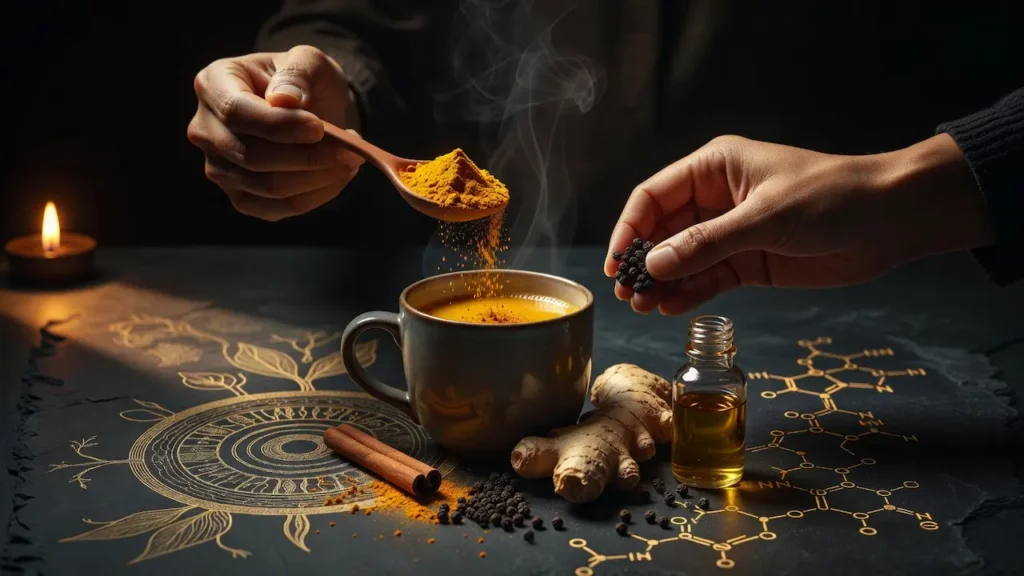
Piperine, the primary alkaloid in black pepper (Piper nigrum), inhibits the intestinal and hepatic enzymes responsible for curcumin’s rapid metabolism, specifically glucuronidases and sulfatases. A landmark study published in the journal Planta Medica found that co-administration of 20mg of piperine with curcumin increased curcumin bioavailability by 2000% in human subjects. This is not a minor optimization. It is the difference between drinking a therapeutic dose and drinking an expensive placebo.
The black pepper in the Sanjay Gupta Chai Tea Recipe is not a flavoring agent. It is the delivery mechanism that determines whether all the other ingredients actually work.
Ginger and Cinnamon: Antioxidant Synergy and Insulin Regulation
Fresh ginger (Zingiber officinale) contributes gingerols and shogaols to the Sanjay Gupta Chai Tea Recipe, compounds with documented anti-inflammatory properties that complement curcumin’s NF-kB inhibition through a parallel pathway: inhibition of COX-2 (cyclooxygenase-2), the enzyme responsible for prostaglandin synthesis and the same target of common anti-inflammatory medications like ibuprofen. The combination of curcumin’s NF-kB inhibition and gingerol’s COX-2 inhibition creates a broader anti-inflammatory coverage than either compound achieves alone.
Cinnamon (Cinnamomum verum) adds a third anti-inflammatory mechanism alongside insulin sensitization that is directly relevant to brain health. The brain is an insulin-sensitive organ, and insulin resistance in the brain (sometimes called “Type 3 diabetes” in Alzheimer’s research) impairs neuronal glucose uptake and accelerates amyloid plaque formation. Cinnamon’s cinnamaldehyde and procyanidins improve cellular insulin sensitivity, improve glucose uptake in insulin-resistant cells and reduce the glycemic impact of subsequent meals, protecting the brain from the chronic glucose dysregulation that accelerates neurodegeneration.
For more on the metabolic benefits of cinnamon in functional drinks and daily rituals, explore our guide on cinnamon for metabolism.
Dr. Sanjay Gupta’s Chai Tea Recipe: The Complete Step-by-Step
Prep time: 5 minutes | Cook time: 7 minutes | Total time: 12 minutes | Servings: 1 | Calories: approximately 85 kcal (with honey and almond milk)
Exact Ingredients
Core ingredients:
- 1 cup unsweetened almond milk (or full-fat coconut milk for higher fat bioavailability of curcumin)
- 1 teaspoon turmeric powder (or 1 cm fresh turmeric root, grated)
- 1/4 teaspoon freshly ground black pepper (non-negotiable for curcumin bioavailability)
- 1/2 teaspoon fresh ginger, grated (or 1/4 teaspoon ginger powder)
- 1/4 teaspoon ground cinnamon (Ceylon cinnamon preferred)
- 1 teaspoon raw honey (optional, added after heating to preserve enzymes)
- 1/2 teaspoon coconut oil or ghee (fat solubility enhances curcumin absorption)
For the Chai variation (adds neurological L-theanine):
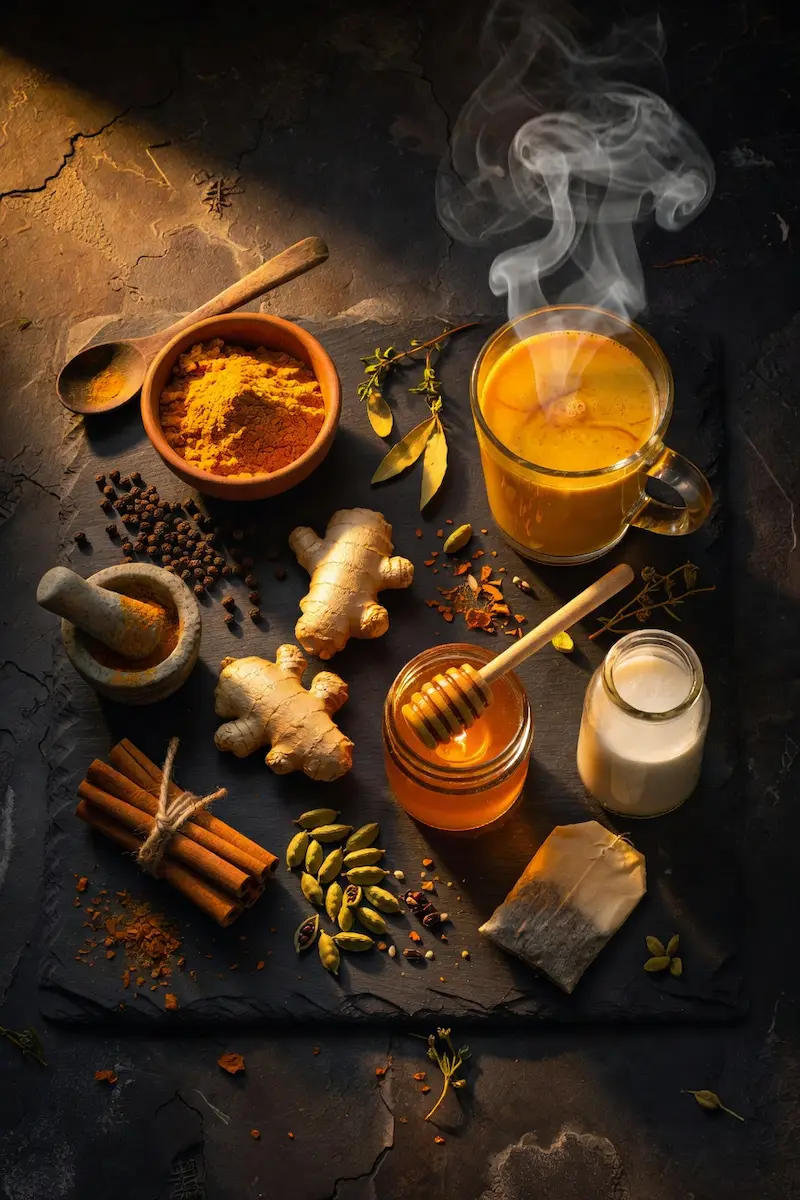
- 1 black tea bag or 1 teaspoon loose-leaf Assam black tea
- 2 cardamom pods, lightly crushed
- 1 small star anise (optional)
Why Heat Is Essential to Activate the Compounds
The application of gentle heat serves two critical functions in the Sanjay Gupta Chai Tea Recipe. First, heat increases the solubility of curcumin in the fat-containing milk base, improving the lipid-soluble delivery of the curcuminoids to the intestinal wall. Curcumin is fat-soluble, not water-soluble, which is why a fat-containing milk (almond, coconut or whole dairy) is preferable to plain water, and why adding coconut oil or ghee further enhances absorption. Second, heat activates the volatile aromatic compounds in ginger, cinnamon and cardamom, releasing the full spectrum of their bioactive compounds into the liquid.
Do not boil the mixture. Sustained boiling above 90 degrees C degrades the most heat-sensitive curcuminoids and destroys the enzymes in raw honey. A gentle simmer at 75 to 80 degrees C for 5 to 7 minutes is the optimal preparation temperature.
Step-by-Step Instructions
Step 1: Prepare the spice base. Combine turmeric, black pepper, ginger, cinnamon, coconut oil or ghee and (if making the chai variation) crushed cardamom pods in a small saucepan. Toast the spices over very low heat for 30 to 45 seconds, stirring constantly, until fragrant. This brief dry activation releases the essential oils from the spices before the milk dilutes them.
Step 2: Add the milk and tea. Pour the almond or coconut milk over the toasted spices. If making the chai variation, add the black tea bag or loose-leaf tea at this stage. Raise the heat to medium-low and bring the mixture to a gentle simmer (small bubbles forming at the edge of the pan, not a rolling boil). Maintain this temperature for 5 to 7 minutes, stirring occasionally.
Step 3: Strain and sweeten. Remove from heat. If using a tea bag, remove it after the simmering stage. Strain the mixture through a fine-mesh strainer into your mug to remove the ginger fibers, pepper fragments and cardamom pod pieces. Let the temperature drop to approximately 60 degrees C (comfortable to drink but still warm) before adding the raw honey. Stirring honey into liquid above 70 degrees C destroys its enzymes and partially degrades its antioxidant compounds.
Step 4: Serve and consume mindfully. The Sanjay Gupta Chai Tea Recipe is most effective when consumed slowly, over 10 to 15 minutes, allowing the warming compounds to activate digestive function and the L-theanine (in the chai variation) to produce its characteristic calm-alertness state. Drink in the morning before or with breakfast, or in the early afternoon before the 3 PM energy dip.
Chai vs Golden Milk: Understanding the Variants
The two versions of this recipe serve slightly different purposes within an anti-inflammatory lifestyle.
Golden Milk (turmeric latte without black tea) is caffeine-free and can be consumed at any time of day including the evening, making it suitable for the sleep-supportive and anti-inflammatory protocols discussed in section 6. It delivers the full curcumin, gingerol and cinnamaldehyde profile without the stimulant effect of caffeine.
The Chai variation adds black tea, which contributes L-theanine (a calming amino acid that promotes alpha brain wave activity and focused alertness without jitteriness), catechins (antioxidant polyphenols with their own anti-inflammatory properties) and a modest caffeine content (approximately 40 to 60mg per cup, compared to 90 to 120mg in a standard coffee). The chai variation is the superior choice for morning cognitive performance. Golden Milk is the superior choice for afternoon and evening use.
Table of Contents
Sanjay Gupta Chai Tea Recipe

A warming anti-inflammatory chai tea made with turmeric, ginger, black pepper, and spices to support brain health and daily wellness.
- Prep Time: 5 minutes
- Cook Time: 7 minutes
- Total Time: 12 minutes
- Yield: 1 serving 1x
- Category: Beverage
- Method: Stovetop
- Cuisine: Indian-inspired
- Diet: Vegetarian
Ingredients
- 1 cup unsweetened almond milk or coconut milk
- 1 teaspoon turmeric powder or fresh grated turmeric
- 1/4 teaspoon freshly ground black pepper
- 1/2 teaspoon fresh grated ginger or 1/4 teaspoon ginger powder
- 1/4 teaspoon ground cinnamon
- 1 teaspoon raw honey optional
- 1/2 teaspoon coconut oil or ghee
- 1 black tea bag or 1 teaspoon loose black tea optional
- 2 cardamom pods lightly crushed optional
- 1 small star anise optional
Instructions
- In a small saucepan add turmeric black pepper ginger cinnamon coconut oil and cardamom if using
- Toast spices on low heat for 30 to 45 seconds until fragrant
- Pour in almond or coconut milk
- Add black tea if making chai version
- Heat on medium-low until gently simmering not boiling
- Simmer for 5 to 7 minutes stirring occasionally
- Remove from heat and strain into a mug
- Let cool slightly before adding honey
- Stir well and serve warm
Notes
Do not skip black pepper as it enhances turmeric absorption. Avoid boiling to preserve nutrients. Use fresh ginger for best results.
Nutrition
- Serving Size: 1 cup
- Calories: 85
- Sugar: 5g
- Sodium: 120mg
- Fat: 5g
- Saturated Fat: 3g
- Unsaturated Fat: 2g
- Trans Fat: 0g
- Carbohydrates: 9g
- Fiber: 1g
- Protein: 1g
- Cholesterol: 0mg
Brain Health and Inflammation: Beyond the Cup
How the Sanjay Gupta Chai Tea Recipe Combats Amyloid Plaques
Alzheimer’s disease is characterized by two primary pathological features: the accumulation of amyloid-beta plaques between neurons and the formation of tau protein tangles within neurons. Both processes are amplified by chronic neuroinflammation and oxidative stress, and both are directly targeted by the curcumin in the Sanjay Gupta Chai Tea Recipe.
Curcumin has been shown in multiple preclinical studies to inhibit the enzyme beta-secretase (BACE-1), which is responsible for cleaving the amyloid precursor protein (APP) into the amyloid-beta fragments that aggregate into plaques. It also directly binds to existing amyloid-beta aggregates, disrupting their structure and promoting their clearance. The anti-inflammatory environment created by curcumin and gingerol additionally reduces microglial overactivation, which is a driver of ongoing plaque formation and neuronal damage.
While clinical translation of these findings to human Alzheimer’s treatment remains an active area of research, the evidence for curcumin’s role in reducing neuroinflammation and supporting cognitive function in healthy aging adults is substantially stronger and more directly applicable to the preventive philosophy at the core of Dr. Gupta’s health framework.
The Gut-Brain Axis and Microbiome Influence
The Sanjay Gupta Chai Tea Recipe influences brain health not only directly through the blood-brain barrier but also indirectly through the gut-brain axis, the bidirectional communication network between the intestinal microbiome and the central nervous system via the vagus nerve, immune signaling and short-chain fatty acid production.
Curcumin has been shown to modulate the gut microbiome in ways that favor the production of short-chain fatty acids, particularly butyrate, which supports intestinal barrier integrity and reduces the systemic inflammation that contributes to neuroinflammation. Ginger and cinnamon add their own prebiotic and anti-dysbiotic effects, collectively creating a gut environment that is more conducive to beneficial bacteria and less hospitable to the gram-negative bacteria whose lipopolysaccharide endotoxins drive systemic inflammation.
What Does Mounjaro Do to Your Gut? explores this gut-brain connection in the context of modern metabolic interventions and provides important context for understanding why gut health is central to any anti-inflammatory lifestyle.
Synergistic Rituals: Pairing with the Gelatin Protocol
One of the most underappreciated synergies in functional nutrition is the combination of the Sanjay Gupta Chai Tea Recipe with a daily gelatin ritual. The two protocols address adjacent but distinct aspects of the same anti-inflammatory lifestyle and can be combined in a single morning routine without interference.
The chai provides curcumin, gingerols and cinnamaldehyde that target neuroinflammation and brain health from the outside in (via the blood-brain barrier and gut-brain axis). The gelatin provides glycine, proline and hydroxyproline that address systemic connective tissue integrity and gut barrier repair from the structural level up. The two protocols are not redundant. They are complementary: one addresses the biochemical signaling environment, the other addresses the physical structural foundation.
Dr. Cate Shanahan’s Gelatin Ritual provides the complete ancestral eating framework for integrating gelatin into a Deep Nutrition lifestyle that pairs naturally with Dr. Gupta’s anti-inflammatory chai philosophy.
The practical implementation is simple: prepare the Sanjay Gupta Chai Tea Recipe first thing in the morning and dissolve 1 tablespoon of grass-fed gelatin powder into it while it is still hot (75 to 80 degrees C). The gelatin blooms and dissolves cleanly in the warm spiced milk base, adding 6 grams of protein, 2 grams of glycine and 1 gram of proline without significantly altering the flavor profile of the drink. The fat in the almond or coconut milk simultaneously enhances curcumin bioavailability and provides the lipid context for optimal gelatin amino acid absorption.
Does the Gelatin Trick Work? provides the complete evidence analysis for this combination and explains the specific mechanisms through which gelatin and anti-inflammatory spices create compounding metabolic benefits.
Afternoon and Evening Optimization
Using the Sanjay Gupta Chai Tea Recipe for Afternoon Blood Sugar Stability
The mid-afternoon period (2 to 4 PM) is the most metabolically vulnerable window of the day for most people. Cortisol is declining from its morning peak, blood sugar is often in a post-lunch trough and the combination of mental fatigue and low blood glucose creates the characteristic afternoon energy crash that most people address with caffeine or sugar.
The Golden Milk variation of the Sanjay Gupta Chai Tea Recipe (without black tea) is particularly well-suited to this window. The cinnamon in the recipe directly improves cellular insulin sensitivity and reduces the glycemic impact of the afternoon meal, smoothing the blood sugar curve that drives the energy crash. The ginger supports gastric motility and digestive efficiency, ensuring the afternoon meal is processed optimally. The curcumin continues its anti-inflammatory work throughout the day.
Evening Satiety Protocol provides a complete framework for managing the afternoon and evening metabolic windows that the Sanjay Gupta Chai Tea Recipe supports, including the specific timing and food choices that prevent late-night caloric overload.
The Sleep Alternative: Replacing Black Tea with Glycine
For those who want the anti-inflammatory benefits of the full spice blend in the evening without the caffeine content of the chai variation, two substitutions transform the Sanjay Gupta Chai Tea Recipe into a sleep-supportive nighttime drink.
First, replace the black tea with chamomile or passionflower tea as the base liquid. Both provide mild anxiolytic compounds that support sleep onset without sedation. Second, add 1 teaspoon of glycine powder to the warm spiced milk alongside the gelatin. The glycine lowers core body temperature through peripheral vasodilation (the primary biological trigger for sleep onset) and inhibits CNS excitatory neurotransmission, producing calmer, deeper sleep.
Glycine for Sleep provides the complete evidence base for this nighttime ritual and explains why the combination of curcumin’s anti-inflammatory properties and glycine’s sleep-supportive properties makes the evening version of this drink one of the most therapeutically complete pre-sleep rituals available.
Comparing Celebrity Health Drinks
| Protocol | Primary Target | Key Compounds | Best Timing | Unique Angle |
|---|---|---|---|---|
| Sanjay Gupta Chai Tea Recipe | Brain health, neuroinflammation, cognitive longevity | Curcumin, piperine, gingerols, L-theanine, cinnamaldehyde | Morning or early afternoon | Neuroprotection and BDNF elevation via Ayurvedic tradition |
| Dr. Oz Pink Gelatin Trick | Satiety, antioxidants, skin health | Gelatin glycine, hibiscus anthocyanins, GLP-1 stimulation | 20 to 30 min before meals | Pre-meal appetite control and skin collagen support |
| Tim Ferriss Gelatin Ritual | Deep sleep, overnight fat oxidation | Glycine CNS inhibition, core temperature regulation | 30 to 60 min before bed | Biohacking sleep for overnight lipolysis and recovery |
| Ray Peat Metabolic Tonic | Thyroid activation, cortisol inhibition, metabolism | Gelatin glycine, orange juice fructose, raw honey | Morning on empty stomach | Metabolic rate restoration and hormonal rebalancing |
| Dr. Cate Shanahan Gelatin Ritual | Connective tissue, cellulite reduction, skin structure | Bioavailable glycine, proline, hydroxyproline | Daily with or without meals | Ancestral eating and dermal matrix strengthening |
Dr. Oz Pink Gelatin Trick and Tim Ferriss Gelatin Ritual both complement the Sanjay Gupta Chai Tea Recipe within a 24-hour anti-inflammatory protocol: the chai in the morning for brain health and neuroplasticity, the pink gelatin before lunch for satiety, and the Tim Ferriss gelatin tonic before bed for deep sleep and overnight recovery.
📌 Save this Brain Health Ritual: Love this neuroprotective tea? Pin Dr. Sanjay Gupta’s exact recipe and the science of neuroplasticity to your favorite health board! Click here to view and save the Pin on Pinterest
Frequently Asked Questions
What Are the Ingredients for Chai Tea?
Traditional chai contains five core elements: a tea base (black tea), a milk base (dairy or plant-based), warming spices (cardamom, cinnamon, ginger, black pepper and sometimes star anise or cloves), a sweetener (sugar, honey or jaggery) and water. The Sanjay Gupta Chai Tea Recipe adds turmeric and increases the proportion of ginger and black pepper to transform the traditional chai formula into a specifically anti-inflammatory and neuroprotective functional drink.
Can Chai Tea Help with Constipation?
Yes, through two mechanisms. First, the ginger in the Sanjay Gupta Chai Tea Recipe accelerates gastric emptying and stimulates peristalsis (the muscular contractions that move food through the intestinal tract), directly addressing the motility impairment that underlies most constipation. Second, the warm liquid itself stimulates the gastrocolic reflex, the neurological response that triggers bowel movement following the ingestion of a warm beverage. The cinnamon in the recipe additionally supports gut motility and has mild carminative (gas-reducing) properties.
What Does Sanjay Gupta Recommend for Brain Health?
Based on his book “Keep Sharp” and multiple CNN Health interviews and segments, Dr. Gupta’s brain health recommendations center on five pillars: regular physical exercise (the single most evidence-supported intervention for cognitive protection), quality sleep (7 to 9 hours with consistent timing), stress management, social connection and anti-inflammatory nutrition. Within the nutrition pillar, he emphasizes the Mediterranean dietary pattern, reduction of ultra-processed food consumption, adequate omega-3 fatty acid intake and the use of specific anti-inflammatory compounds including curcumin. His personal morning ritual with turmeric-spiced chai is the practical embodiment of the anti-inflammatory nutrition pillar within his broader framework.
What Are Common Mistakes When Making Chai?
The four most common mistakes in making the Sanjay Gupta Chai Tea Recipe are omitting the black pepper (which eliminates 2000% of curcumin’s bioavailability enhancement and renders the turmeric largely ineffective), boiling the mixture above 90 degrees C (which degrades heat-sensitive curcuminoids and destroys honey enzymes), using ground ginger instead of fresh ginger (which changes the gingerol-to-shogaol ratio and reduces the anti-inflammatory potency), and using skim or low-fat milk (which removes the fat-soluble delivery vehicle that curcumin requires for absorption).
Can You Drink This Tea on an Empty Stomach?
Yes, and for many of the same reasons that make morning consumption optimal. The empty stomach state maximizes the bioavailability of curcumin by ensuring it is absorbed without competition from other dietary fats and proteins. The ginger stimulates gastric acid production and digestive enzyme activity, preparing the digestive system for the first meal of the day. The cinnamon primes insulin receptors before the morning meal, reducing the post-breakfast glycemic spike. If you find that the ginger or black pepper causes mild stomach discomfort on a completely empty stomach, consume a small amount of food (a few nuts or a tablespoon of yogurt) before drinking.
Does Turmeric Tea Help with Weight Loss?
Curcumin contributes to weight management through three documented mechanisms: improvement of insulin sensitivity (reducing fat storage signaling), reduction of systemic inflammation (addressing one of the primary drivers of metabolic resistance to fat loss) and mild thermogenic effects via activation of brown adipose tissue. However, the Sanjay Gupta Chai Tea Recipe is not primarily a weight loss drink. It is a brain health and anti-inflammatory ritual whose benefits for body composition are downstream consequences of metabolic improvement rather than primary mechanisms.
2-Ingredient Coffee Loophole{:target=”_blank”} explores a complementary morning ritual that specifically targets metabolic fat oxidation and can be alternated with the Sanjay Gupta Chai Tea Recipe for a varied and comprehensive morning functional drink protocol.
What Are the Side Effects of Excess Turmeric?
At the doses used in the Sanjay Gupta Chai Tea Recipe (1 teaspoon of turmeric powder per serving, approximately 200mg of curcuminoids), daily consumption is safe for most healthy adults. At higher supplemental doses (above 2000mg of curcuminoids per day), reported side effects include gastrointestinal discomfort, nausea and in rare cases elevated liver enzymes. Curcumin is a mild blood thinner and should be used with caution by people on anticoagulant medications including warfarin. It can also reduce iron absorption when consumed in large amounts and should not be taken at high supplemental doses by people with iron deficiency without medical supervision.
Conclusion: Consistency Is the Real Secret
The Sanjay Gupta Chai Tea Recipe is not a cure. It is a consistent daily practice that compounds its neuroprotective, anti-inflammatory and metabolic benefits over weeks and months of regular use. The brain health benefits of curcumin are most pronounced in studies that measure outcomes after 8 to 12 weeks of daily consumption. The connective tissue benefits of added gelatin become measurable at the same timeline. The insulin sensitization effects of cinnamon build with repetition.
Dr. Gupta’s broader message in “Keep Sharp” is that cognitive longevity is built not through dramatic interventions but through the accumulation of daily habits that consistently reduce inflammation, support neuroplasticity and maintain the metabolic health that the brain depends on. The morning ritual of the Sanjay Gupta Chai Tea Recipe is one of the most accessible and evidence-aligned implementations of that philosophy available.
Integrate it consistently. Track your morning cognitive clarity, your afternoon energy stability and your sleep quality over 30 days. The data from your own body is the most relevant evidence you will ever have for whether this ritual belongs in your life.
For more functional drink protocols and anti-inflammatory recipes that complement the Sanjay Gupta Chai Tea Recipe, explore the full recipe collection on this site.