
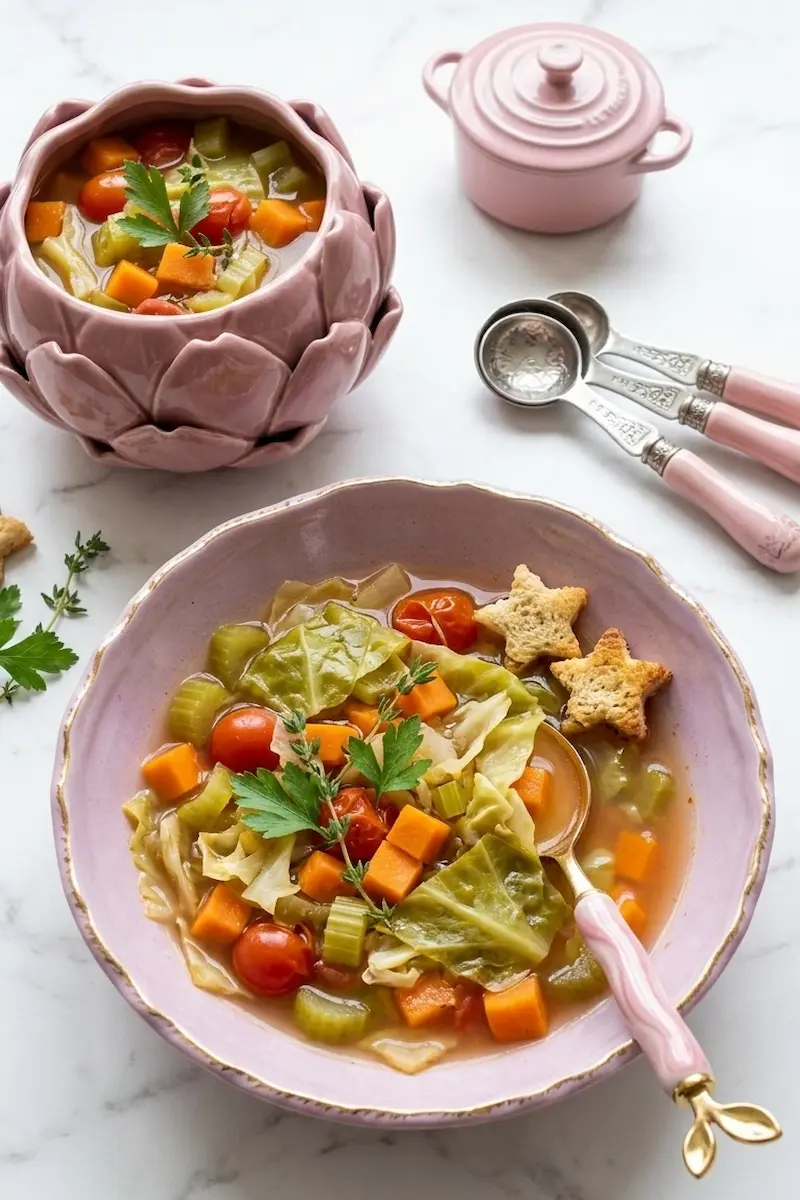
The recipe for weight loss cabbage soup has been circulating since at least the 1980s, and it keeps coming back because the core mechanism is genuinely sound. Cabbage soup is one of the most calorie-efficient filling foods that exists: a large bowl delivers substantial volume, meaningful fiber, and a broad spectrum of vitamins and phytonutrients for fewer than 100 calories. That combination, high volume and low caloric density, is exactly what satiety science identifies as the most reliable driver of reduced calorie intake without hunger.
What has changed in 2026 is the understanding of how to use the soup strategically rather than restrictively. The original 7-day cabbage soup diet was a crash protocol that produced rapid weight loss almost entirely from water and glycogen depletion, with significant muscle loss risk if protein was not included. The modern approach uses the same soup as a satiety anchor within a broader eating framework, preserving the metabolic benefits while avoiding the pitfalls of pure restriction.
This guide covers the full protocol: the science behind why cabbage soup works, the complete recipe with functional ingredient reasoning, a realistic 7-day framework, strategic pairing to extend the satiety effect, three advanced variations, and the most common mistakes that reduce results.
Table of Contents
Quick Answer: The 7-Day Cabbage Soup Strategy
Featured summary: Cabbage soup for weight loss works by using very low-calorie-density food to produce strong stomach satiety signals before or alongside meals. A realistic result from 7 days of consistent use is 3 to 5 pounds total, with roughly 1 to 2 pounds as actual fat loss and the remainder as water weight and reduced glycogen. Use the soup as a pre-meal starter or a primary lunch option, not as a total meal replacement.
The base recipe in brief: Shredded green cabbage, diced tomatoes, onion, garlic, bell peppers, celery, and bone broth or vegetable broth, simmered with turmeric, cumin, and black pepper for 12 to 15 minutes. Full recipe and instructions are in the dedicated recipe section below.
How to use it:
- As a starter before lunch or dinner (250 to 300 ml serving, 15 to 20 minutes before the main course)
- As a primary lunch with a protein addition (poached egg, canned sardines, or shredded chicken)
- As a dinner option on lighter evenings when overall calorie intake has been higher than planned
Why This Recipe for Weight Loss Cabbage Soup Actually Works
The Volumetrics Principle: Activating Stomach Stretch Receptors
Volumetrics is a nutritional framework developed by Dr. Barbara Rolls at Penn State that classifies foods by their caloric density (calories per gram) rather than their total calorie count. Cabbage has one of the lowest caloric densities of any food: approximately 25 calories per 100 grams, which is roughly 95% water and fiber by weight. When made into soup with additional broth, the caloric density drops further to approximately 30 to 50 calories per 250 ml serving.
The practical implication: a 300 ml bowl of cabbage soup occupies significant stomach volume and triggers the mechanoreceptors (stretch receptors) in the stomach wall that signal the brain that food has been consumed. This signal is one of the two primary short-term satiety mechanisms, alongside hormonal signaling from nutrients entering the bloodstream. The stretch receptor response happens regardless of caloric content. High-volume, low-calorie foods exploit this mechanism directly.
Cabbage contributes both soluble and insoluble fiber to this mechanism. Soluble fiber (pectin and other polysaccharides) forms a gel in the digestive tract that slows gastric emptying and prolongs the satiety signal. Insoluble fiber adds physical bulk and supports gut transit. Together they extend the satiety effect of the soup well beyond the immediate meal window. A full breakdown of how dietary fiber drives satiety is in our fiber-maxing guide.
Cruciferous Power: Glucosinolates and Liver Detox Support
Cabbage is a cruciferous vegetable and contains a class of sulfur-containing compounds called glucosinolates. When cabbage is chopped, chewed, or lightly cooked, the enzyme myrosinase converts glucosinolates into bioactive compounds, including indoles and isothiocyanates. These compounds are the subject of a significant body of research for their role in supporting the liver’s Phase II detoxification pathway.
Phase II liver detoxification involves conjugation reactions that bind processed toxins to molecules that make them water-soluble and excretable. Glucosinolate breakdown products, particularly indole-3-carbinol (I3C) and its metabolite DIM (diindolylmethane), upregulate the enzymes responsible for these reactions. This matters for weight management because the liver also processes hormones, including estrogen: efficient Phase II activity supports healthy estrogen clearance, and estrogen dominance is associated with fat retention, particularly around the hips and thighs in women.
The practical note: myrosinase is heat-sensitive and is significantly reduced by prolonged cooking. The recommendation to cook cabbage soup for no more than 10 to 15 minutes is in part about preserving these compounds. A light simmer, not a long boil, keeps the glucosinolates and their enzymatic conversion partially intact.
The Science-Backed Benefits of Weight Loss Cabbage Soup
Short-Chain Fatty Acids and Gut Health
The soluble fiber in cabbage, particularly the pectin and arabinogalactans, serves as a substrate for fermentation by the gut microbiome. During fermentation, beneficial bacteria produce short-chain fatty acids (SCFAs), primarily butyrate, propionate, and acetate. These SCFAs are among the most important compounds produced by the gut microbiome for metabolic health.
Butyrate specifically acts as the primary fuel for colonocytes (the cells lining the colon) and has potent anti-inflammatory effects at the gut level. Propionate is transported to the liver where it signals satiety through the gut-brain axis and supports glucose regulation. Acetate enters the bloodstream and influences energy metabolism at the systemic level. Consistent prebiotic fiber intake from cabbage and other vegetables sustains the microbial populations that produce these compounds.
For a complementary drink that also supports gut microbiome health through prebiotic fiber, our roasted barley tea guide covers beta-glucan fiber in the context of a warm, caffeine-free daily drink that pairs naturally with a soup-based eating routine.
Low Caloric Density, High Nutrient Impact
A standard 300 ml serving of weight loss cabbage soup provides a dense micronutrient profile at a very low caloric cost:
| Nutrient | Approximate per 300 ml serving |
| Calories | 45 to 70 kcal (depending on broth type) |
| Vitamin C | 35 to 50 mg (50-65% of daily requirement) |
| Vitamin K | 80 to 120 mcg (85-130% of daily requirement) |
| Folate | 45 to 60 mcg (12-15% of daily requirement) |
| Potassium | 300 to 420 mg (8-10% of daily requirement) |
| Fiber | 3 to 5 g |
| Protein | 2 to 4 g (more with bone broth or protein additions) |
| Sulforaphane precursors | Present (varies with cooking time) |
The vitamin C content is particularly relevant in the context of weight management: vitamin C is required for the synthesis of carnitine, the molecule responsible for transporting fatty acids into mitochondria for beta-oxidation (fat burning). Adequate vitamin C is associated with higher fat oxidation during moderate exercise in research settings. Cabbage is one of the most cost-effective whole-food sources of vitamin C available.
Blood Sugar Stabilization Through Fiber
Cabbage has an effective glycemic index close to zero. Its carbohydrate content is primarily fiber, which is not metabolized into glucose, and a small amount of naturally occurring sugars that are digested so slowly by the fiber matrix that the blood sugar impact is negligible. Consuming a bowl of cabbage soup before a carbohydrate-containing meal creates a protective buffer in the digestive tract: the fiber forms a partial barrier that slows glucose absorption from the foods that follow.
This “fiber-first” effect on postprandial blood sugar is well-documented in nutritional research. Adding a vegetable-heavy, high-fiber starter before a meal consistently reduces the blood sugar spike from that meal compared to eating the same meal without the starter. The reduction is meaningful: studies suggest 20 to 30% lower peak glucose when a fiber-rich starter precedes a carbohydrate meal. This directly reduces the insulin response and the subsequent hunger rebound that makes calorie control difficult.
For ideas on how to manage snacking after the soup without losing the blood sugar benefit, our Mark Hyman snack ideas guide covers Pegan-compatible snacks that maintain stable blood sugar levels between meals.
PrintWeight Loss Cabbage Soup

A modern high-fiber cabbage soup protocol designed for satiety, gut health, and calorie control. Loaded with green and red cabbage, turmeric, garlic, and broth for a nutrient-dense low-calorie meal.
- Prep Time: 20 minutes
- Cook Time: 15 minutes
- Total Time: 35 minutes
- Yield: 6 to 8 servings 1x
- Category: Soup
- Method: Stovetop
- Cuisine: American
- Diet: Gluten Free
Ingredients
- 500 g green cabbage, finely shredded
- 200 g red cabbage, finely shredded
- 2 medium carrots, diced
- 2 stalks celery, sliced
- 1 medium onion, diced
- 1 large red bell pepper, diced
- 400 g canned diced tomatoes
- 6 cloves garlic, minced
- 1.5 litres bone broth or vegetable broth
- 1 tsp turmeric
- 1 tsp cumin
- 0.5 tsp smoked paprika
- 0.25 tsp black pepper
- 0.5 tsp sea salt
- 2 tbsp olive oil
- Juice of 1/2 lemon
- 1 tsp apple cider vinegar optional
Instructions
- Heat olive oil in a large pot over medium heat.
- Add onion and celery and cook for 3 to 4 minutes until softened.
- Add carrots and bell pepper and cook for 2 minutes.
- Add turmeric, cumin, smoked paprika, black pepper, and 4 cloves garlic.
- Cook for 60 seconds to bloom the spices.
- Add diced tomatoes and stir well.
- Pour in the broth and bring to a gentle simmer.
- Add green cabbage and red cabbage.
- Simmer for 10 to 12 minutes until cabbage is tender with slight texture remaining.
- Add remaining garlic during the final 2 minutes.
- Remove from heat.
- Add lemon juice and apple cider vinegar.
- Adjust salt if needed.
- Serve warm.
Notes
The flavor improves after 24 hours refrigerated. Add poached eggs, shredded chicken, sardines, or collagen peptides for additional protein. Do not overcook cabbage to preserve glucosinolates and texture.
Nutrition
- Serving Size: 300 ml
- Calories: 70
- Sugar: 6g
- Sodium: 420mg
- Fat: 3g
- Saturated Fat: 0.5g
- Unsaturated Fat: 2.5g
- Trans Fat: 0g
- Carbohydrates: 11g
- Fiber: 5g
- Protein: 4g
- Cholesterol: 0mg
The Ultimate Weight Loss Cabbage Soup Recipe
The Functional Ingredient Stack
Green and red cabbage combined. Using both varieties produces a broader phytonutrient spectrum. Green cabbage is higher in glucosinolates and vitamin K. Red (purple) cabbage is dramatically higher in anthocyanins (the same polyphenols found in blueberries), which have documented anti-inflammatory and antioxidant effects. The visual difference between the two reflects a real nutritional difference in compound classes. Using half of each is the simplest approach.
Bone broth vs. vegetable broth. Bone broth adds collagen precursors (glycine, proline, and hydroxyproline) and gelatin to the soup, which increase the protein content and contribute a mild gut-soothing effect. It also adds a richer flavor that makes the soup more satisfying. Vegetable broth is appropriate for vegetarians or vegans and produces a lighter, cleaner result. For people already using a gelatin protocol, bone broth is a natural complement. See our Dr. Jennifer Ashton Gelatin Trick guide for the rationale behind gelatin and glycine in a weight loss context.
Turmeric and black pepper. Curcumin, the primary bioactive compound in turmeric, has limited bioavailability on its own. Piperine from black pepper increases curcumin absorption by approximately 2000%, according to published pharmacokinetic research (Shoba et al., 1998). Including both in the soup is not optional if the anti-inflammatory benefit of turmeric is the goal. The ratio is one teaspoon of turmeric to one-quarter teaspoon of black pepper, minimum.
Garlic and onion. Both are prebiotic foods: they contain fructooligosaccharides (FOS) and inulin that feed the beneficial Bifidobacterium and Lactobacillus species in the gut microbiome. Raw or lightly cooked garlic also retains allicin, a sulfur compound with antimicrobial and cardiovascular properties. Add garlic in the final 2 minutes of cooking to preserve as much allicin as possible. Onion adds quercetin, a flavonoid with anti-inflammatory properties.
Step-by-Step Preparation (Preserving Heat-Sensitive Nutrients)
Yield: 6 to 8 servings. Active prep: 20 minutes. Cook time: 15 minutes.
Ingredients:
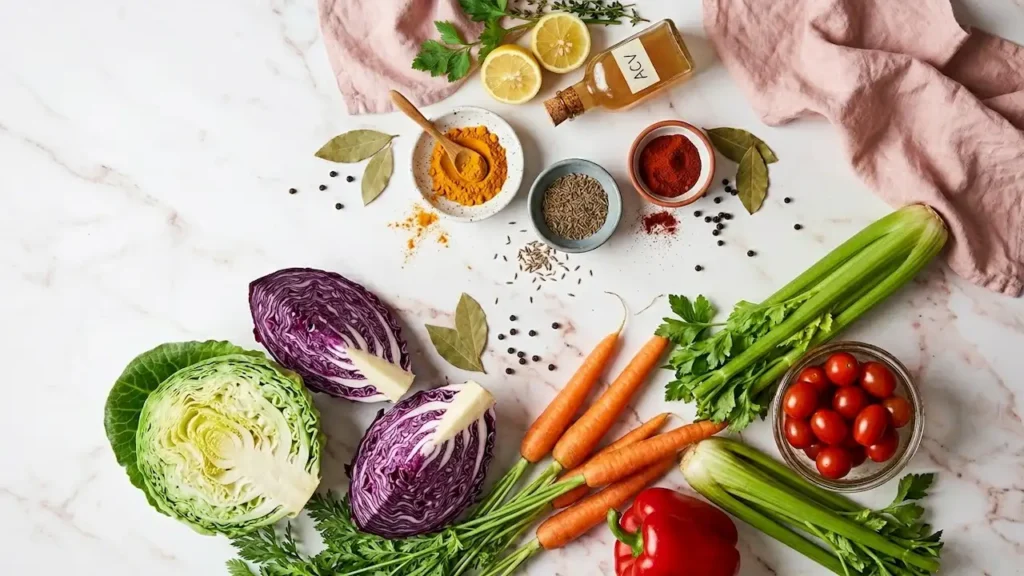
- 500 g (approximately 5 cups) green cabbage, finely shredded
- 200 g (approximately 2 cups) red cabbage, finely shredded
- 2 medium carrots, diced small (approximately 1 cm)
- 2 stalks celery, thinly sliced
- 1 medium onion, diced
- 1 large red bell pepper, diced
- 400 g (1 can) diced tomatoes, no salt added
- 6 cloves garlic, minced (divided: 4 at start, 2 in final 2 minutes)
- 1.5 litres (6 cups) bone broth or low-sodium vegetable broth
- 1 teaspoon ground turmeric
- 1 teaspoon ground cumin
- 1/2 teaspoon smoked paprika
- 1/4 teaspoon black pepper (with the turmeric)
- 1/2 teaspoon sea salt (adjust to taste at the end)
- 2 tablespoons extra virgin olive oil
- Juice of 1/2 lemon (added at the end, off heat)
- Optional: 1 teaspoon apple cider vinegar for added acidity and brightness
Instructions:
- Heat olive oil in a large, heavy-bottomed pot over medium heat. Add the diced onion and celery and cook for 3 to 4 minutes until softened and translucent. Do not brown them.
- Add the carrots and red bell pepper. Stir and cook for 2 minutes.
- Add the turmeric, cumin, smoked paprika, and the first portion of garlic (4 cloves). Stir into the vegetables for 60 seconds to bloom the spices in the oil. This step significantly improves flavor depth and activates fat-soluble spice compounds.
- Add the canned tomatoes and stir to combine. Cook for 1 minute.
- Add the broth and bring to a gentle simmer over medium heat. Do not allow a rolling boil at any stage: aggressive boiling accelerates nutrient loss, particularly vitamin C.
- Add both the green and red shredded cabbage. Stir to submerge. The pot will look very full; the cabbage wilts significantly within 2 minutes.
- Simmer for exactly 10 to 12 minutes. The cabbage should be tender but still have a slight bite. Overcooked cabbage loses its glucosinolate content and its texture becomes unpleasant.
- In the final 2 minutes, add the remaining minced garlic. Stir through.
- Remove from heat. Add lemon juice and apple cider vinegar if using. These are added off heat to preserve their vitamin C and enzymatic content. Taste and adjust salt.
- Allow to cool for 5 minutes before serving. The flavor improves significantly after 24 hours in the refrigerator.
Storage:
- Refrigerator: up to 5 days in a sealed glass container
- Freezer: up to 3 months in individual portions (use freezer-safe containers and leave 2 cm of headspace for expansion)
- Batch cooking note: this recipe doubles well. Making a double batch on Sunday provides the week’s supply with no additional prep time.

Macro Breakdown and Nutritional Profile
| Per 300 ml serving | With vegetable broth | With bone broth |
| Calories | 50 to 60 kcal | 65 to 80 kcal |
| Protein | 2 to 3 g | 5 to 7 g |
| Carbohydrates | 10 to 12 g | 10 to 12 g |
| Fiber | 3 to 5 g | 3 to 5 g |
| Fat | 3 to 4 g (from olive oil) | 3 to 4 g (from olive oil) |
| Net carbs | 6 to 8 g | 6 to 8 g |
To increase protein content:
- Add 1 poached or hard-boiled egg per serving (adds 6 g protein, 70 kcal)
- Stir in 60 g (2 oz) shredded rotisserie chicken per serving (adds 14 g protein, 80 kcal)
- Add a 85 g (3 oz) can of wild-caught sardines (adds 17 g protein, 130 kcal, rich in omega-3s)
- Stir in 2 tablespoons of unflavored collagen peptides to the broth (adds 10 g protein, 45 kcal)
Strategic Pairing: How to Maximize Satiety Beyond the Soup
The Pre-Soup Protocol: Mechanical Fullness Triggers
One of the most evidence-supported and consistently underused appetite management strategies is drinking a large glass of water 15 to 20 minutes before a meal. A 500 ml (roughly 2 cups) water pre-load before a meal has been shown in multiple controlled trials to reduce calorie intake at that meal by 13 to 22%. The mechanism is the same one the soup exploits: gastric volume and stretch receptor activation.
Stacking a water pre-load with the soup as a starter produces a compounding pre-meal satiety effect. Water pre-load (500 ml, 15 to 20 minutes before the meal) followed by the soup (300 ml, consumed slowly at the start of the meal) reduces the stomach space available for the main course before a single calorie of the main meal has been consumed.
For a morning habit that extends this gut-priming approach to the first meal of the day, our aloe vera lemon water guide covers a pre-breakfast ritual that supports gut lining health and early digestive enzyme activity, creating a consistent morning baseline that pairs well with a soup-focused lunch strategy.
Post-Soup Snacking: Avoiding the Calorie Trap
The two hours after a cabbage soup meal are a nutritional success that is easy to undo. The soup effectively reduces calorie intake at the meal; the error most people make is treating the subsequent hunger signal (which arrives later and more gradually than usual) as justification for a large or high-glycemic snack.
The snacks most compatible with maintaining the blood sugar and satiety benefits of the soup are protein-fat anchored and low in refined carbohydrates: a handful of walnuts, a hard-boiled egg, raw vegetables with tahini, or a small portion of cottage cheese with pumpkin seeds. Our full Mark Hyman snack ideas guide provides a complete categorized list with batch prep instructions for each.
What to specifically avoid after the soup: crackers, bread, processed bars labeled as “healthy,” and fruit juice. Each of these introduces a rapid glucose load after a meal that was specifically structured to prevent one.
The Evening Satiety Extension
Evening hunger, particularly in the 8 to 11 pm window, is the most common point at which weight loss efforts accumulate calorie damage. The soup is useful here as a structured dinner option, but extending satiety into the evening requires additional tools.
The most practical evening extension strategies: a warm herbal drink (roasted barley tea, chamomile, or lemon balm) consumed after dinner to close the eating window psychologically and physically; a small serving of gelatin cubes (the ice gelatin trick) as a zero-carb, low-calorie physical snack if hunger becomes insistent; and consistent sleep timing, since cortisol and ghrelin dysregulation from poor sleep are some of the most reliable predictors of evening overconsumption.
Our oat trick for weight loss guide covers a complementary pre-dinner satiety tool that can be used in combination with the soup for people whose appetite management challenge is primarily in the late afternoon to evening window.
The 7-Day Cabbage Soup Plan: Realistic Expectations
Important context: The 7-day cabbage soup diet, in its original form, is a very low-calorie protocol that produces rapid initial weight loss primarily from water, glycogen depletion, and some muscle catabolism. The modern protocol described here uses the soup as a strategic tool for adequate protein intake. Results will be more modest but more sustainable and less likely to result in muscle loss.
Days 1 to 3: The Initial Water Weight Phase
The first two to three days of a reduced-carbohydrate, high-fiber eating pattern consistently produce a drop in water weight. Glycogen (the stored form of glucose in muscle and liver) holds approximately 3 to 4 grams of water per gram of glycogen. Reducing carbohydrate intake depletes glycogen stores, and the water bound to it is released. This produces a scale weight reduction of 2 to 4 pounds in most people within the first three days.
This is not fat loss, and understanding this is important for maintaining realistic expectations and not giving up when the rate of loss slows after day 3. The water weight drop is real and produces measurable improvements in bloating, morning puffiness, and how clothes fit. It is a legitimate benefit; it is simply not the same as adipose tissue reduction.
Digestive adjustments are normal in this phase. Significantly increasing fiber intake (as occurs when cabbage soup replaces processed food) often produces temporary gas and bloating in the first 3 to 5 days as the gut microbiome adapts. This resolves as the microbiome adjusts. Drinking adequate water (minimum 2 liters per day) throughout this period reduces the likelihood of constipation from the increased fiber intake.
Days 4 to 7: The Fat Oxidation Phase
After the initial glycogen and water loss, the body begins drawing more meaningfully on adipose tissue for energy if caloric intake remains below expenditure. The realistic expectation for days 4 to 7, assuming the soup is used as part of an overall reduced-calorie but protein-adequate eating pattern, is 0.5 to 1.5 pounds of actual fat loss. Combined with the initial water loss, total scale weight reduction over 7 days typically falls between 3 and 6 pounds for most people.
The protein requirement in this phase is not optional. Without adequate dietary protein (minimum 0.8 g per kilogram of body weight, ideally higher at 1.2 to 1.6 g/kg for active individuals), the body supplements its energy needs by breaking down muscle tissue. Adding protein to the soup (sardines, chicken, eggs, collagen peptides) and ensuring protein-containing meals or snacks throughout the day is the most important modification to the original crash protocol.
Beyond Day 7: Sustainable Transition
The value of the 7-day protocol is not the 7 days themselves but the habits it establishes. People who maintain the soup as a regular pre-meal starter or lunch option after the initial week consistently show better long-term dietary compliance than those who treat the week as a standalone cleanse and then return to previous patterns.
The transition beyond 7 days involves reintroducing dietary variety while keeping the high-fiber, high-vegetable baseline of the protocol. The soup can move from a daily staple to a 3 to 4 times per week presence without losing its metabolic benefit. Add back whole grains, legumes, and higher-calorie nutrient-dense foods gradually and with attention to how each reintroduction affects hunger, energy, and digestion.
For a more structured extended program that builds on the same dietary philosophy with additional detox and gut-healing elements, the ice-gelatin trick guide covers a complementary evening protocol that integrates naturally with this approach.
FAQs About recipe for weight loss cabbage soup
How do you make slimming cabbage soup?
The essential method: shred green and red cabbage finely and simmer in broth with diced onion, garlic, celery, carrots, tomatoes, and bell peppers for 10 to 12 minutes. Season with turmeric, cumin, and black pepper. Add lemon juice off the heat. The key principles are using bone broth for additional protein, cooking for no more than 12 minutes to preserve glucosinolates, and always pairing with adequate dietary protein from other sources to prevent muscle loss during the weight loss phase.
How much weight can you lose on the 7-day cabbage soup diet?
The honest range is 3 to 7 pounds total over 7 days, but the composition of that loss matters significantly. Roughly half is water weight (from reduced carbohydrate and glycogen depletion), and roughly half is a combination of fat loss and, if protein intake is inadequate, some muscle catabolism. The scale weight drop can be dramatic in the first three days; it slows considerably in days 4 to 7. Anyone claiming 10 pounds of fat loss in a week from cabbage soup is describing a physiologically impossible rate of adipose tissue reduction (1 pound of fat requires approximately a 3,500 calorie deficit). Manage expectations accordingly.
Which soup is best for reducing belly fat?
No single food or soup removes fat from a specific body region: spot reduction is not physiologically supported by current evidence. Soups that support overall fat loss through calorie deficit and satiety include cabbage soup, broth-based vegetable soups, and miso soup (which adds probiotic benefits). All work through the same mechanism: low caloric density with high volume and fiber content. Cabbage soup ranks among the most effective in this category due to its glucosinolate content and very low caloric density. For a drink-based alternative that targets similar mechanisms, our oat trick for weight loss covers a high-fiber pre-meal strategy with comparable satiety effects.
How do you make Dolly Parton’s cabbage soup diet?
The version associated with Dolly Parton’s name is a widely circulated variation of the standard 7-day cabbage soup diet. The characteristic additions are diced tomatoes, green bell peppers, canned tomato juice or V8, and onion soup mix (a source of sodium that is better replaced with bone broth and seasoning for a cleaner version). The structure is the same: a cabbage-dominant broth-based soup used as the primary food source over 7 days with specific permitted foods on each day of the protocol. The version in this article includes the tomato and bell pepper elements that characterize this variation, omits the processed soup mix, and replaces it with whole spices for a functionally equivalent but ingredient-cleaner result.
Can I eat cabbage soup every day?
Yes, as a component of a varied diet rather than as the sole food. Using cabbage soup as a daily pre-meal starter or a regular lunch option is nutritionally sound and sustainable indefinitely. Using it as the only or primary food for more than 7 to 10 consecutive days risks protein insufficiency, calorie restriction severe enough to trigger metabolic adaptation, and micronutrient gaps despite the soup’s good nutrient profile. The strategy of making it a staple rather than an exclusive food is more effective long-term. Pair it with adequate protein sources: high-protein, low-calorie options are detailed in our snack guide.
Does cabbage soup help with bloating?
This is a paradox worth explaining clearly. In the short term (days 1 to 5), increasing fiber intake significantly from cabbage and other vegetables often increases gas production and temporary bloating as the gut microbiome begins fermenting the additional substrate. This is a normal, temporary adjustment and not a sign that the soup is causing harm. After approximately 1 to 2 weeks of consistent intake, the gut microbiome adapts, butyrate and SCFA production increase, inflammation at the gut lining reduces, and most people experience improved digestion and reduced baseline bloating compared to their pre-soup diet. The long-term effect is positive; the short-term transition can be temporarily uncomfortable.
Advanced Variations: Customize Your Cabbage Soup
The Anti-Inflammatory Turmeric Boost
The base recipe already includes turmeric and black pepper. To amplify the anti-inflammatory effect, this variation adds fresh ginger and increases both turmeric and ginger volume.
Additional ingredients from base recipe:
- Increase turmeric to 1.5 teaspoons
- Add 1 tablespoon fresh ginger, finely grated (add with the garlic at the spice bloom step)
- Add 1 teaspoon ground coriander
- Finish with 1 tablespoon fresh lemon juice plus 1 teaspoon lemon zest
This variation has a warmer, more complex flavor and is particularly good in cold months. The ginger adds gingerols and shogaols, compounds with documented anti-inflammatory effects that complement curcumin and are absorbed through a different pathway, creating a broader anti-inflammatory effect than turmeric alone.
The Protein-Powered Version
For people using this soup as a primary meal rather than a starter, adequate protein is essential to prevent muscle catabolism and maintain satiety that extends beyond the fiber-volume effect.
Protein additions (choose one per serving):
- 2 poached eggs floated on top of the hot soup (adds 12 g protein, 140 kcal)
- 100 g cooked and shredded chicken breast, stirred in when serving (adds 30 g protein, 165 kcal)
- 1 can (85 g) wild-caught sardines in olive oil, flaked over the soup (adds 17 g protein, 130 kcal, and an excellent omega-3 source)
- 150 g firm tofu, cubed and simmered in the soup for the final 3 minutes (adds 10 g protein, 90 kcal, suitable for vegan variation)
- 2 tablespoons collagen peptides stirred into the hot broth at serving (adds 10 g protein, 45 kcal, invisible in the soup)
The Detox Enhancement Version
This variation adds a cluster of compounds specifically associated with hepatic detoxification support: fresh parsley, cilantro, and lemon zest. These are added off heat (after cooking) to preserve their active compounds.
Add at the very end, off the heat:
- Large handful (approximately 30 g) fresh flat-leaf parsley, roughly chopped
- Large handful (approximately 20 g) fresh cilantro, roughly chopped
- Zest of 1 lemon
- Extra squeeze of lemon juice
- Optional: 1 tablespoon raw apple cider vinegar
Parsley is exceptionally high in apigenin, a flavonoid that supports liver enzyme activity. Cilantro has been studied in the context of heavy metal chelation, though the evidence for this specific effect in dietary amounts is mixed and should not be overstated. What is well-supported is the prebiotic fiber and antioxidant content that both herbs contribute. This version tastes noticeably brighter and fresher than the base recipe and is the preferred variation for the detox phase of the 7-day protocol.
Common Mistakes That Sabotage Cabbage Soup Results
Not Drinking Enough Water
Significantly increasing fiber intake without proportionally increasing water intake is the most common cause of constipation and discomfort during the first week of a cabbage-soup-based protocol. Fiber, particularly insoluble fiber, requires water to move effectively through the digestive tract. Without adequate hydration, increased fiber creates a dry, slow-moving mass that produces constipation, bloating, and discomfort that many people incorrectly attribute to the soup itself. The minimum during a high-fiber protocol is 2 to 2.5 liters of water per day, not including coffee, tea, or soup broth.
Adding High-Calorie Toppings
Sour cream, shredded cheese, croutons, or a large drizzle of olive oil over and above what is used in cooking can add 100 to 300 calories to a bowl that was supposed to contain 50 to 80 calories. This does not make the soup unhealthy, but it does undermine the primary mechanism, which is low caloric density combined with high satiety. If the soup needs to be more satisfying, add a protein source rather than a high-calorie condiment.
Skipping Protein Entirely
The original 7-day cabbage soup diet specified very limited protein sources on most days of the protocol. This is the most significant nutritional flaw in the original design. Without adequate dietary protein (minimum 0.8 g/kg body weight, preferably higher), the body supplements its energy requirements by breaking down muscle tissue. Muscle loss reduces basal metabolic rate, making weight maintenance harder after the protocol ends. Every serving of soup used as a main meal should include a protein source. Soup used as a pre-meal starter does not need protein added.
Expecting Results Without Broader Lifestyle Consistency
The soup is a tool, not a magic solution. It reduces caloric intake at the meals where it is used and improves gut health with consistent use. It does not compensate for a diet that is otherwise high in processed food, refined carbohydrates, and industrial seed oils. The people who see the most meaningful and lasting results from cabbage soup are those who use it as an anchor within a broader shift toward whole-food eating, not those who eat the soup for lunch and then have pizza and wine for dinner. For additional food-based strategies that address appetite from complementary angles, our oat trick for weight loss covers a pre-meal satiety drink with a different but equally well-grounded mechanism.
Conclusion: From Crash Dieting to Volumetric Mastery
The recipe for weight loss cabbage soup has survived 40 years of dietary trends not because it is trendy but because it works on a principle that does not change: filling the stomach with food that has very little caloric content reduces the space and appetite available for food that has more. When that principle is paired with adequate protein, consistent hydration, and a broader commitment to whole-food eating, the results compound.
The version of this protocol described here is meaningfully different from the original crash diet. It keeps what works (high volume, very low caloric density, strong phytonutrient profile) and addresses what the original got wrong (insufficient protein, too restrictive to maintain, and no long-term transition strategy). Use the soup as a daily pre-meal starter or a primary lunch for 7 days. Pay attention to how your hunger, energy, and digestion change. Then decide how to integrate it as a permanent habit rather than a temporary fix.
The three tools that combine most effectively with this protocol from our existing guides:
- Morning: Aloe vera lemon water for gut priming and blood sugar preparation before the first meal.
- Between meals: Mark Hyman snack ideas for protein-fat-anchored snacks that maintain blood sugar stability.
- Fiber foundation: Fiber-maxxing guide for understanding how to build fiber intake across the full day for sustained appetite management.
💡 Pro Tip: Want a visual reminder of your 7-day cabbage soup protocol? Save this recipe on Pinterest for easy reference during meal prep. Having the ingredient list and steps visible makes your weight loss journey effortless!
Related Reading: Your Complete Weight Loss Toolkit
CMS note: The following 6 articles are recommended for a visual-related reading grid with thumbnail images in the CMS. Suggested layout: 2 columns x 3 rows, or a 3-column strip depending on theme.
1. Ice Gelatin Trick for Weight Loss – An evening satiety protocol using chewable gelatin cubes before meals to reduce appetite and manage late-night hunger.
2. Mark Hyman Snack Ideas: The complete Pegan snack framework for blood sugar stability between meals.
3. Aloe Vera Lemon Water for Weight Loss – A 5-step morning gut-priming ritual with acemannan and lemon for appetite and glucose regulation.
4. Fiber-Maxxing for Weight Loss – The complete fiber strategy for sustained fullness and gut microbiome support.
5. Oat Trick for Weight Loss Recipe: A pre-meal beta-glucan drink for blood sugar buffering and pre-meal appetite reduction.
6. Roasted Barley Tea Benefits – A caffeine-free East Asian prebiotic drink with a toasty flavor that supports gut health and complements a high-fiber eating plan.
More whole-food weight loss strategies at JoyfulBiteRecipes.com