
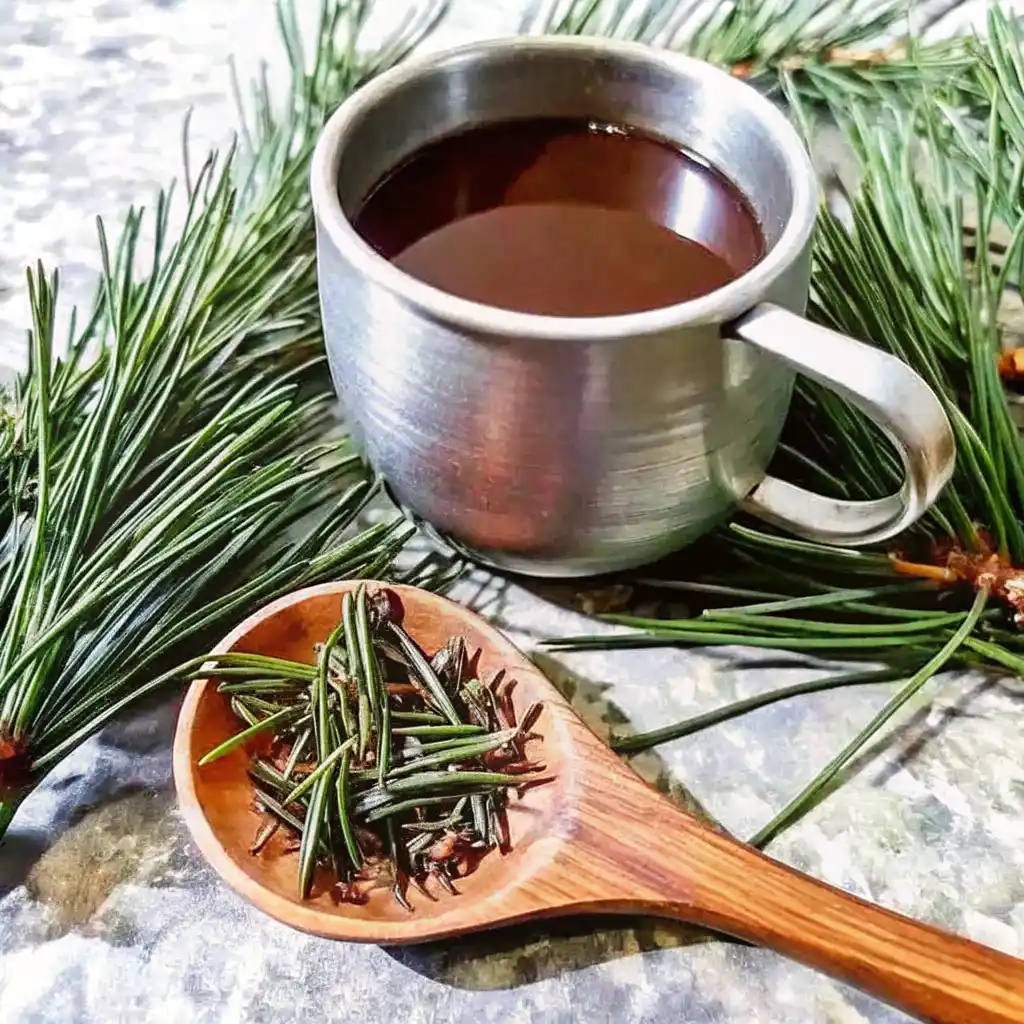
Tea from pine needles may sound like something out of a survival manual, but this fragrant, earthy infusion has actually been enjoyed for centuries by indigenous cultures for its respiratory, immune-boosting, and vitamin-rich properties. In today’s wellness world, it’s gaining popularity again for its natural healing potential and forest-fresh flavor.
Whether you’re hiking through pine-covered hills or just craving a grounded, antioxidant-rich tea, tea from pine needles might be just what your wellness routine needs. In this guide, you’ll learn which needles are safe, what the tea tastes like, how to brew it, and why it’s becoming a favorite among herbal tea lovers.
What Is Tea from Pine Needles?
Tea from pine needles is an herbal infusion made by steeping the needles of certain pine trees in hot water. It’s not a true tea (like green or black tea) but a botanical tisane rich in vitamin C, antioxidants, and aromatic oils.
The flavor is lightly resinous, citrusy, and woodsy, like a walk through a pine forest in a teacup. The drink has been used in traditional remedies to treat colds, clear congestion, and support immune health.
Table of Contents
Tea from Pine Needles: A Forest-Fresh Herbal Remedy
A fragrant, citrusy, and immune-boosting herbal infusion made from pine needles, perfect for a wellness reset and respiratory support.
- Prep Time: 5 minutes
- Cook Time: 15 minutes
- Total Time: 20 minutes
- Yield: 2 cups 1x
- Category: Beverage
- Method: Infusion
- Cuisine: Herbal
Ingredients
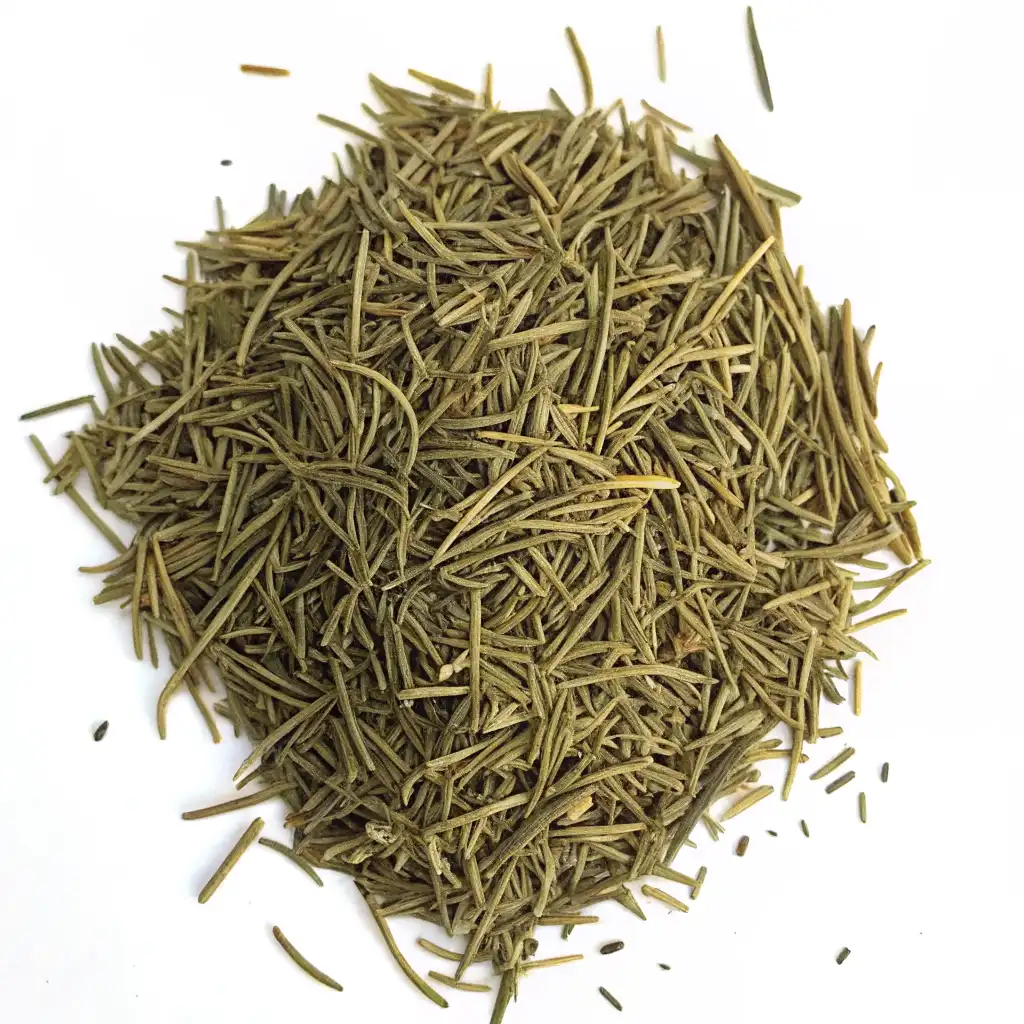
- 1 tbsp fresh or dried pine needles (chopped)
- 2 cups hot (not boiling) water
- Optional: honey, lemon, or ginger
Instructions
- Rinse pine needles under cold water and chop them finely.
- Place the chopped needles in a teapot or heatproof mug.
- Pour hot (not boiling) water over the needles to preserve nutrients.
- Cover and steep for 10–15 minutes.
- Strain and enjoy warm, with optional honey, lemon, or ginger for flavor.
Notes
Use only safe varieties like Eastern White Pine. Avoid during pregnancy and if allergic to pine. 1–2 cups per day is generally safe.
Nutrition
- Serving Size: 1 cup
- Calories: 5
- Sugar: 0g
- Sodium: 0mg
- Fat: 0g
- Saturated Fat: 0g
- Unsaturated Fat: 0g
- Trans Fat: 0g
- Carbohydrates: 1g
- Fiber: 0g
- Protein: 0g
- Cholesterol: 0mg
Which Pine Needles Can You Use for Tea?
Not all pine trees are created equal. Some varieties are beneficial and safe, while others should be avoided.
✅ Safe Pine Varieties for Tea:
- Eastern White Pine (Pinus strobus) – mild, citrusy flavor
- Ponderosa Pine – widely used, but caution advised in pregnancy
- Loblolly Pine – common in the South
- Red Pine – strong flavor, high in vitamin C
⚠️ Avoid These Trees:
- Yew (Taxus spp.) – toxic
- Norfolk Island Pine – not true pine; may cause irritation
- Pine with yellow tips or strange odor – often indicates mold or decay
When in doubt, research your tree species or buy dried pine needles from a trusted herbal supplier.
Key Benefits of Drinking Tea from Pine Needles
🌿 1. High in Vitamin C
This tea has 4–5x the vitamin C of orange juice, supporting immune function and collagen production.
🌿 2. Supports Respiratory Health
Pine needle tea acts as a gentle expectorant, making it useful for coughs, chest tightness, and seasonal colds.
Don’t miss our guide on eucalyptus tea benefits, another respiratory powerhouse.
🌿 3. Antioxidant and Anti-inflammatory
Rich in flavonoids and polyphenols that help reduce oxidative stress.
🌿 4. May Support Mental Clarity
Its fresh aroma may stimulate alertness and calm the nervous system, perfect for an afternoon brain reset.
🌿 5. Antimicrobial and Antiviral Properties
Studies suggest pine essential oils help combat certain microbes, making the tea a natural immune ally.
How to Make Tea from Pine Needles at Home
Ingredients:
- 1 tbsp fresh or dried pine needles (chopped)
- 2 cups hot (not boiling) water
- Optional: honey, lemon, or ginger
Steps:
- Rinse needles under cold water and chop.
- Place in teapot or mug.
- Pour hot water (not boiling) to preserve nutrients.
- Steep for 10–15 minutes covered.
- Strain and enjoy!
Pro tip: Steeping longer deepens the flavor without bitterness.
How Often Can You Drink It?
For most people, 1–2 cups per day is considered safe and beneficial.
⚠️ Precautions:
- Not recommended in large amounts during pregnancy due to uterine-stimulating compounds.
- Avoid if allergic to pine pollen or resins.
- Always consult your healthcare provider if unsure.
Tea from Pine Needles vs. Other Herbal Teas
| Feature | Pine Needle Tea | Eucalyptus Tea | Peppermint Tea |
|---|---|---|---|
| Vitamin C | Very high | Moderate | Low |
| Respiratory support | Excellent | Excellent | Mild |
| Flavor profile | Citrusy, resinous | Sharp, menthol-like | Cool, minty |
| Energy boost | Lightly uplifting | Calming, clearing | Refreshing |
| Safe daily use | Yes (1–2 cups) | Yes | Yes |
Each herbal tea has its place. If you’re focusing on lung health, alternate between pine needle tea and teas with other expectorant properties like eucalyptus or ginger.
FAQs
Is it safe to drink tea made from pine needles?
Yes, pine needle tea is safe when made from correctly identified, non-toxic pine species such as Eastern white pine, spruce, or fir. However, certain pine varieties like Ponderosa pine, Monterey pine, and Norfolk Island pine are toxic and must be avoided. Always positively identify your tree species before harvesting, and consult with a local expert if you’re unsure. Pregnant women should exercise caution and consult their healthcare provider, as some pine needles may stimulate uterine contractions.
What’s the benefit of drinking pine needle tea?
Pine needle tea is exceptionally rich in vitamin C, containing 3-5 times more than oranges, making it an excellent immune system booster. It’s also packed with powerful antioxidants called proanthocyanidins, which help reduce inflammation and protect cells from oxidative damage. The tea may support respiratory health, improve circulation, and provide antimicrobial properties. Additionally, it contains compounds that may enhance mental clarity and provide a gentle, natural energy boost without caffeine.
Are pine needles good for making tea?
Absolutely! Pine needles make an excellent herbal tea with a refreshing, slightly citrusy flavor that’s both soothing and invigorating. Fresh or dried needles from safe species work well, and the preparation is simple: just chop the needles, steep in hot (not boiling) water for 10-15 minutes, and strain. The tea has a pleasant, forest-fresh taste that can be enhanced with honey, lemon, or ginger. It’s a sustainable, foraged beverage that connects you with nature while providing valuable nutrients.
Does pine needle tea get rid of parasites?
While pine needle tea has traditionally been used in some folk medicine practices for its antimicrobial and antiparasitic properties, scientific evidence supporting its effectiveness against parasites in humans is limited. The tea contains compounds like terpenes and flavonoids that may have antimicrobial effects, but it should not be relied upon as a primary treatment for parasitic infections. If you suspect a parasitic infection, consult a healthcare professional for proper diagnosis and evidence-based treatment rather than self-treating with pine needle tea.
Final Pour
Tea from pine needles is more than just a trendy woodland drink; it’s a time-honored herbal remedy with a refreshing flavor and real health benefits. Whether you sip it for immune strength, respiratory relief, or just to feel grounded in nature, it’s a powerful way to bring the forest into your cup.
Start slow, sip smart, and let your wellness take root, one pine needle at a time
📌 Love visual guides? Save this Pegan snack infographic to your Pinterest board for easy reference!
2 thoughts on “Tea from Pine Needles: A Forest-Fresh Herbal Remedy”