
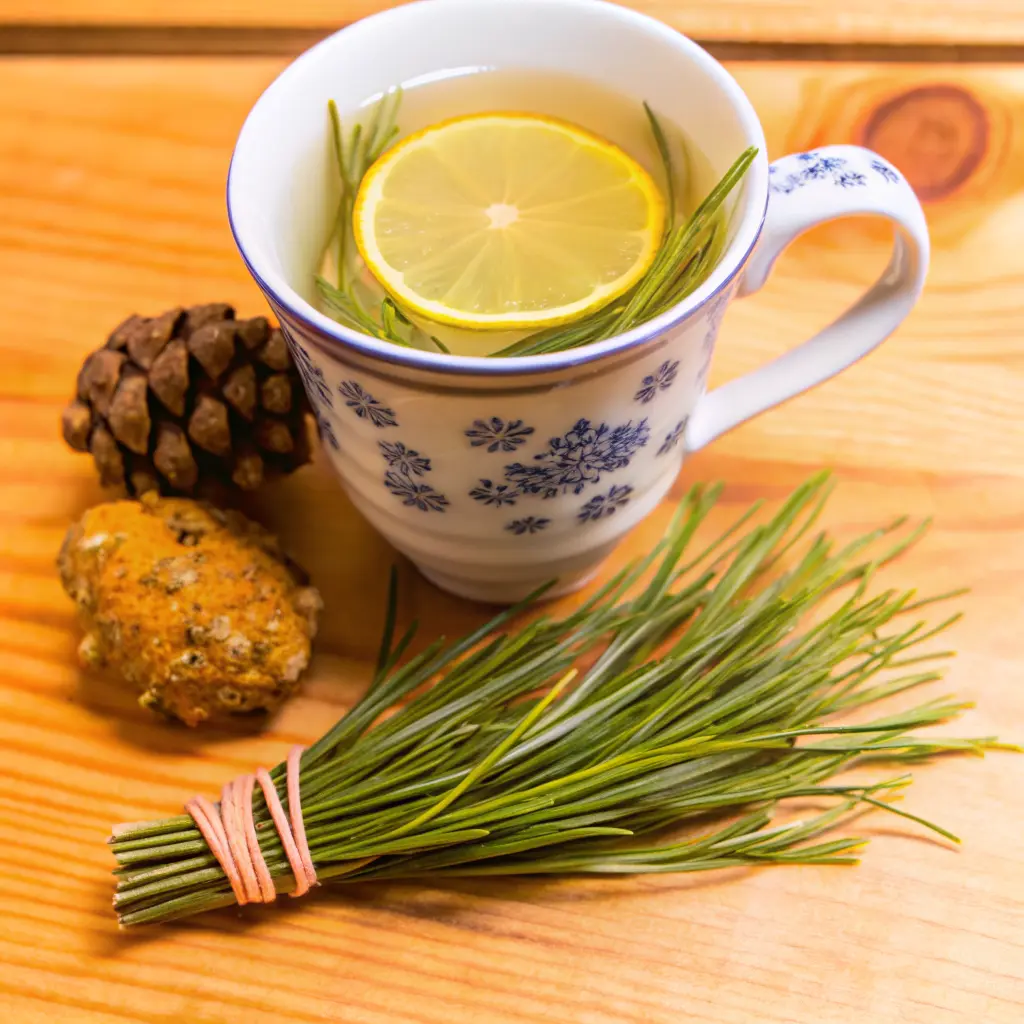
White pine needle tea benefits are gaining attention among herbal tea lovers and natural wellness seekers, and for good reason. This forest-derived brew, made from the soft needles of the Eastern white pine tree, offers a refreshing balance of flavor and function. Known for its high vitamin C content, anti-inflammatory compounds, and respiratory support, white pine needle tea is more than just a trendy infusion, it’s rooted in centuries of traditional healing.
Whether you’re already sipping pine needle tea, exploring the well-documented eucalyptus tea benefits, or simply curious about incorporating more tea from pine needles into your self-care routine, this woodland remedy deserves a spot in your cup and your cupboard. Let’s explore what makes it so uniquely powerful.
Table of Contents
What Is White Pine Needle Tea?
White pine needle tea is a forest-based infusion made from the soft, long needles of the Eastern white pine (Pinus strobus). Native to North America, this tree was long used by Indigenous communities to treat respiratory issues and boost vitality.
To make it, you simply harvest fresh needles (or use dried), steep them in hot water, and enjoy the resulting citrusy, woodsy tea, an easy way to experience the subtle magic of the forest in a mug.
If you enjoy woodland wellness, don’t miss our deep-dive into pine needle tea and how it compares across varieties.
White Pine Needle Tea Benefits
White pine needle tea is a naturally citrusy, forest-derived infusion rich in vitamin C and healing compounds—perfect for immune support and respiratory relief.
- Prep Time: 5 minutes
- Cook Time: 15 minutes
- Total Time: 20 minutes
- Yield: 1 serving 1x
- Category: Beverage
- Method: Infusion
- Cuisine: Herbal
Ingredients
- 1 tablespoon fresh or dried white pine needles (chopped)
- 1.5 cups hot water (not boiling)
- Optional: honey, lemon, or cinnamon
Instructions
- Rinse your needles well.
- Chop coarsely to release oils.
- Place in a teapot or heat-safe mug.
- Pour in hot (not boiling) water.
- Cover and steep for 10–15 minutes.
- Strain and sip slowly.
Notes
White pine tea supports immunity, lung health, digestion, and mental clarity. Always confirm species and avoid if pregnant, breastfeeding, or allergic to pine.
Nutrition
- Serving Size: 1 cup
- Calories: 5
- Sugar: 0g
- Sodium: 0mg
- Fat: 0g
- Saturated Fat: 0g
- Unsaturated Fat: 0g
- Trans Fat: 0g
- Carbohydrates: 1g
- Fiber: 0g
- Protein: 0g
- Cholesterol: 0mg
Why White Pine? What Makes It Special?
White pine stands out among other coniferous trees not just for its towering elegance but for the unique qualities it brings to your cup. When it comes to enjoying white pine needle tea benefits, the Eastern white pine (Pinus strobus) offers a combination of safety, flavor, and aroma that many herbalists and natural wellness seekers appreciate. Unlike harsher pine species that can be bitter, irritating, or even toxic, such as yew or Ponderosa pine, white pine needles are smooth, citrusy, and refreshingly mild. This makes the tea not only effective but also pleasant to sip, especially for those who are just beginning to explore tea from pine needles.
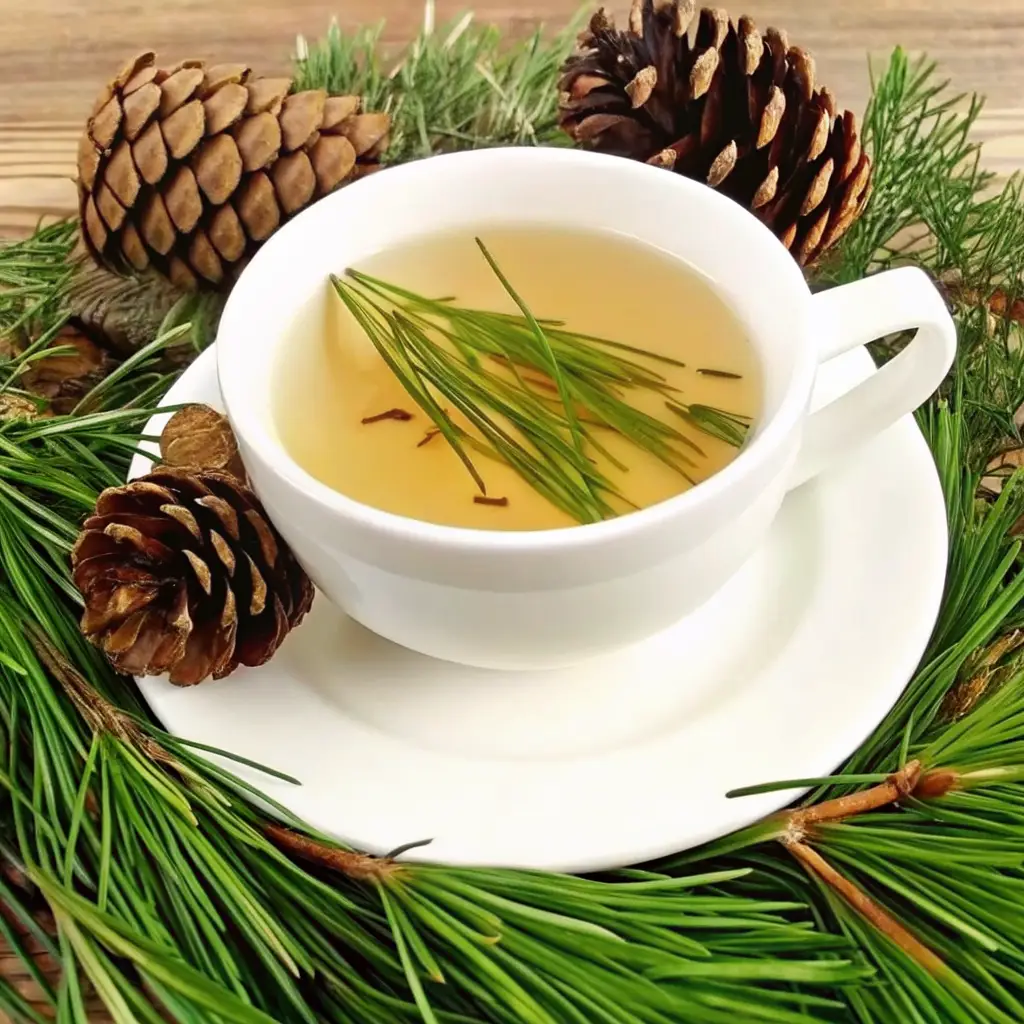
The long, soft needles brew into a light golden infusion with a calming scent that brings to mind a quiet forest after rain. That gentle aroma alone can create a sense of grounding and mindfulness, adding emotional balance to the physical wellness support. It’s these soothing sensory qualities, combined with its vitamin-rich profile, that make white pine the preferred choice when you’re seeking real, daily value from your herbal cup. From taste to safety to holistic impact, the white pine needle tea benefits clearly set it apart.
Nutrients Found in White Pine Needles
What makes the white pine needle tea benefits so powerful? It’s all in the nutrients. Here’s what a warm mug can deliver:
| Nutrient | Function & Benefits |
|---|---|
| Vitamin C | Immune support, collagen production, antioxidant |
| Flavonoids | Anti-inflammatory, antioxidant |
| Alpha-pinene | Supports lung health, clears airways |
| Shikimic acid | Found in antiviral medicines (e.g., Tamiflu) |
| Chlorophyll | Natural detoxifier and energy supporter |
Together, these compounds give white pine needle tea its unique edge, whether you’re recovering from a cold or simply looking to boost your daily wellness.
Top Health Benefits of White Pine Needle Tea
Let’s get straight to the white pine needle tea benefits that people like Emily, and generations before her, swear by:
🌿 1. Immune Boosting
Rich in vitamin C, this tea helps fight infections and support everyday immunity, especially when taken at the first sign of sniffles.
🌿 2. Respiratory Support
Like many eucalyptus tea benefits, white pine clears the lungs, opens the airways, and acts as a gentle expectorant.
🌿 3. Inflammation Reduction
Thanks to its flavonoids and essential oils, it may reduce systemic inflammation and support joint health.
🌿 4. Digestive Calm
White pine tea is also known to calm the stomach, aid digestion, and soothe mild cramps or discomfort.
🌿 5. Mental Clarity
The aroma and mild stimulation from pine oils can help you feel more focused and balanced throughout the day.
How to Brew White Pine Needle Tea Properly
You don’t need to live in the woods to enjoy this forest drink, just follow these steps.
You’ll Need:
- 1 tablespoon fresh or dried white pine needles (chopped)
- 1.5 cups hot water (not boiling)
- Optional: honey, lemon, or cinnamon
How-To:
- Rinse your needles well.
- Chop coarsely to release oils.
- Place in a teapot or heat-safe mug.
- Pour in hot (not boiling) water.
- Cover and steep for 10–15 minutes.
- Strain and sip slowly.
Learn other herbal infusion tricks in our tea from pine needles brewing guide.
Emily’s Experience With White Pine Tea on the Farm
Emily first turned to white pine tea after noticing a scratchy throat during winter chores. Instead of grabbing a store-bought cough syrup, she remembered an herbalist friend once mentioning white pine needle tea benefits.
“I made a batch, sat by the fireplace, and let the aroma wrap around me,” she says. “Within a day, I was breathing clearer and sleeping better. Now it’s part of my routine, especially when I feel run down.”
From that moment on, she began drying her own needles in bunches and sharing the tea with neighbors. To her, it’s more than a remedy; it’s a ritual of slowness and self-trust.
Is White Pine Needle Tea Safe for Everyone?
Generally, yes, but with the usual cautions that come with herbal remedies.
✅ Safe for:
- Most adults in good health
- Occasional daily use (1–2 cups max)
⚠️ Avoid If:
- Pregnant or breastfeeding
- Allergic to pine or tree pollens
- Taking medications sensitive to vitamin C or antioxidants
As with any tea or supplement, always consult your doctor if you have a health condition or are unsure.
FAQs: White Pine Needle Tea
How often can you drink white pine needle tea?
You can safely drink white pine needle tea 2-3 times per week as part of a balanced wellness routine. While white pine (Eastern white pine) is one of the safest pine species for tea consumption, moderation is important because excessive intake may lead to digestive discomfort or interact with certain medications. Start with once weekly to assess your tolerance, then gradually increase if desired. Always source needles from uncontaminated areas away from roadsides or pesticide treatments, and consult your healthcare provider if you plan to consume them regularly or have underlying health conditions.
Who should not drink pine needle tea?
Pregnant and breastfeeding women should avoid pine needle tea unless approved by their healthcare provider, as some pine compounds may stimulate uterine contractions or affect hormone levels. Individuals with known allergies to conifers, asthma triggered by pine scents, or kidney disease should also avoid it. People taking blood thinners, diabetes medications, or immunosuppressants should consult their doctor first, as pine needle compounds may interact with these medications. Children under 12 should not consume pine needle tea regularly due to limited safety research. Always positively identify your pine species, as some varieties like Ponderosa pine are toxic.
What are the healing properties of pine needles?
White pine needles are exceptionally rich in vitamin C, containing 3-5 times more than oranges, making them powerful immune system boosters and antioxidants. They contain proanthocyanidins and flavonoids that reduce inflammation, protect cells from oxidative damage, and may support cardiovascular health. The needles have natural antimicrobial and expectorant properties that can help clear respiratory congestion and soothe sore throats. Traditional medicine systems have used pine needles for centuries to treat scurvy, urinary tract infections, and skin conditions. The aromatic compounds may also provide mild mood-enhancing effects and mental clarity through aromatherapy benefits.
What are white pine needles good for?
Eastern white pine needles are excellent for making nutritious herbal tea that supports immune function, respiratory health, and overall wellness. They’re particularly valuable during cold and flu season for their high vitamin C content and antimicrobial properties. The needles can be used fresh or dried, making them a convenient year-round foraging resource in regions where Eastern white pine grows. Beyond tea, the needles can be infused into honey, vinegar, or oil for culinary and topical applications. They’re also useful in natural skincare preparations for their antioxidant and anti-inflammatory benefits. As a sustainable, free, and abundant resource, white pine needles offer an accessible way to incorporate forest medicine into daily health practices.
Final Sip: Why White Pine Belongs in Your Cupboard
From mindful foraging walks to steaming mugs on quiet mornings, white pine needle tea benefits deliver immune support, antioxidant protection, and gentle mental clarity, straight from the forest to your daily ritual. Packed with 3-5 times more vitamin C than oranges and rich in anti-inflammatory compounds, this simple herbal infusion proves that nature’s pharmacy is often the most accessible. Like Emily, you don’t need expensive supplements or complicated routines; sometimes, the most powerful wellness tools are growing right outside your door. Ready to sip the forest? Harvest responsibly, brew with intention, and let white pine become your go-to ally for resilient, radiant health.
Whether you’re building a forest-themed tea routine or curious about how eucalyptus tea benefits and tea from pine needles compare, this humble brew deserves a spot on your shelf and in your self-care rituals.
📌 Love visual guides? Save this Pegan snack infographic to your Pinterest board for easy reference!
Dear Emily,
If you have a trusted source for White Pine, (Pinus Strobus), needles please let me know. I have been searching for a few years now and even ordered a baby White Pine tree from Arbor Day, but do not want to harvest from it until it grows much larger.
Thank you and Best regards,
TR Bryant
Dear TR,
Thank you for your thoughtful message. I completely understand your hesitation about harvesting from a young white pine; that’s wise and responsible.
While I don’t personally source white pine needles commercially, you might consider reaching out to local native plant nurseries, herbal apothecaries, or small-scale foragers in your region who harvest sustainably. Some herbal suppliers specialize in wildcrafted botanicals and may occasionally carry Pinus strobus needles, though availability can vary by season.
If you do end up harvesting from your own tree in the future, taking only small amounts from established branches and avoiding overharvesting is generally the safest approach for the tree’s health.
I hope you’re able to find a reliable and sustainable source soon.
Best regards,
Emily