
⚠️ Medical & Nutritional Disclaimer This article is for informational purposes only and does not constitute medical or nutritional advice. Individual responses to dietary changes vary. Consult a healthcare professional if you have a digestive health condition, are managing blood sugar, or are pregnant.
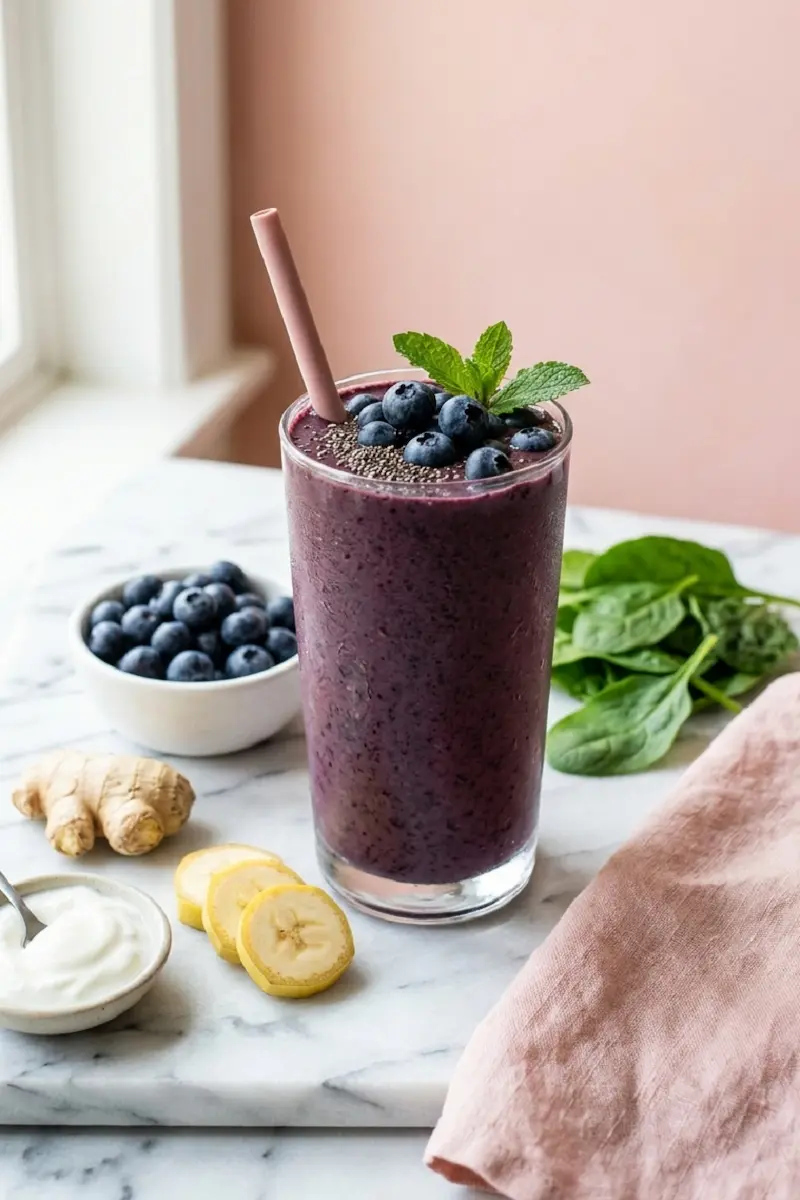
A well-made flat belly blueberry smoothie is more than a fruit drink with good branding. Blueberries are one of the most studied foods in metabolic and gut health research, with human trial data supporting their role in improving insulin sensitivity, feeding beneficial gut bacteria, and reducing systemic inflammation. When paired with the right supporting ingredients, a blueberry smoothie becomes a genuinely functional morning tool: high in fiber, rich in antioxidant polyphenols, and supportive of the gut microbiome changes that reduce the chronic, low-grade inflammation that drives abdominal bloating and water retention.
This guide covers what makes a blueberry smoothie functionally effective rather than just visually appealing: the five core ingredients and the specific role each one plays, the step-by-step recipe, the science behind the key compounds, strategic timing for different goals, the most common mistakes that turn a good smoothie bad, and how it fits into a broader daily routine. The recipe takes under 5 minutes and costs less than most coffee shop drinks.
Table of Contents
Quick Answer: The Flat Belly Blueberry Smoothie
Featured summary: This smoothie uses 5 ingredients with specific, complementary functions: wild blueberries (anthocyanins for gut health and insulin sensitivity), fresh ginger (anti-inflammatory, supports gut motility), Greek yogurt or kefir (protein + live cultures for the microbiome), fresh spinach (prebiotic fiber, magnesium), and ground flaxseeds (omega-3 ALA, soluble fiber for gut transit). Prep time: under 5 minutes. Realistic benefit timeline: reduced bloating and improved gut comfort within 1 to 2 weeks of daily use; measurable metabolic changes over 6 to 8 weeks.
Why This Flat Belly Blueberry Smoothie Works for a Flatter Stomach
The Core Triad: Fiber, Antioxidants, and Anti-Inflammatory Compounds
Abdominal bloating has several distinct causes, and a well-formulated smoothie addresses the most common ones simultaneously. The first is gut dysbiosis: an imbalanced microbiome produces excess gas from fermenting certain food components poorly, creates intestinal permeability that allows endotoxins into the bloodstream and drives systemic inflammation, and fails to efficiently process dietary fiber into the short-chain fatty acids that reduce gut-level inflammation. The second is insulin-driven water retention: spikes in blood glucose followed by large insulin responses cause sodium and water to be retained at the cellular level, contributing to abdominal puffiness. The third is chronic low-grade inflammation in adipose tissue around the abdominal area.
The triad of fiber, antioxidants, and anti-inflammatory compounds in this smoothie addresses all three. Soluble fiber feeds the beneficial bacteria that restore microbiome balance and produce SCFAs. Anthocyanins from blueberries directly reduce NF-kB-driven gut and adipose inflammation. The low glycemic load of the smoothie prevents the insulin spikes associated with water retention and fat storage. Together they create a morning intervention that, used consistently, improves all three drivers of abdominal bloating.
For the full picture on how dietary fiber supports both gut health and sustained satiety throughout the day, our fiber-maxxing guide covers the complete framework for building fiber intake strategically across all meals.
How Blueberries Specifically Target Belly Bloating and Visceral Fat
Blueberries deserve specific attention because their effect on the gut is distinctive among commonly available fruits. The majority of their anthocyanins (primarily cyanidin-3-glucoside, malvidin, and delphinidin derivatives) are not absorbed in the small intestine. Instead, they reach the colon largely intact, where they are metabolized by gut bacteria and serve simultaneously as prebiotic substrate and bacteriostatic agents against certain pathogenic species.
This dual function is what sets blueberries apart. They feed beneficial bacteria (particularly Akkermansia muciniphila and Bifidobacterium species, both associated with leaner body composition and better metabolic markers) while suppressing the overgrowth of gas-producing pathogenic species. The practical result of a healthier microbiome composition is less fermentation-driven gas and bloating, better gut motility, and reduced intestinal permeability, which is the structural cause of the systemic inflammation that contributes to visceral fat accumulation.
On the metabolic side, a 2010 randomized controlled trial (Stull et al., American Journal of Clinical Nutrition) found that daily blueberry bioactive supplementation produced significant improvements in insulin sensitivity in obese, insulin-resistant participants compared to placebo. Improved insulin sensitivity reduces the degree to which dietary carbohydrates are directed into fat storage and reduces the reactive hunger that follows insulin spikes. This is not a dramatic fat-burning effect; it is a meaningful metabolic improvement that accumulates over weeks of consistent intake.
The soluble fiber in blueberries (pectin and arabinogalactans) forms a gel-like matrix in the digestive tract that slows gastric emptying and extends satiety. A blueberry smoothie that preserves the whole berry (blended, not juiced) retains this fiber structure and provides genuine satiety that a blueberry-flavored drink or juice does not.
The Supporting Ingredients: Why Each One Earns Its Place
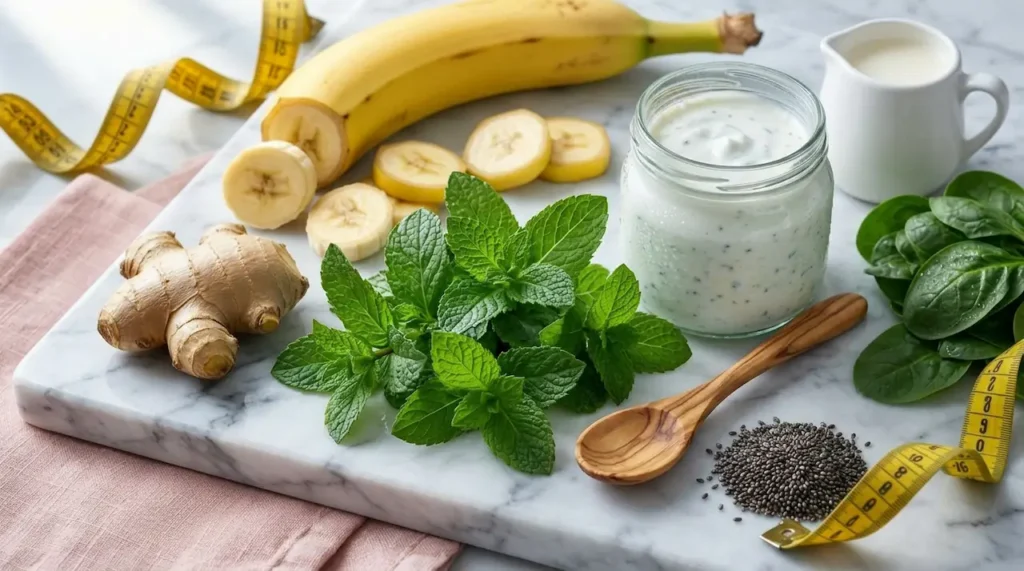
Fresh ginger. Gingerols and shogaols in fresh ginger have two direct effects relevant to bloating. First, they stimulate gastric motility: ginger accelerates gastric emptying, which reduces the time food sits in the stomach and the gas and discomfort that can accompany slow digestion. This effect is supported by multiple clinical trials. Second, gingerols inhibit prostaglandin synthesis, the same mechanism targeted by many anti-inflammatory drugs, which reduces inflammation in the gut lining. Even a half-inch piece of fresh ginger in a smoothie delivers a meaningful amount of active gingerols.
Greek yogurt or kefir. The difference between these two matters: Greek yogurt provides Lactobacillus and Bifidobacterium cultures and a high protein concentration (approximately 15 to 17 grams per 170 g serving) that significantly improves the satiety profile of the smoothie and reduces the blood sugar impact of the fruit. Kefir provides a broader range of live cultures (typically 10 to 15 strains versus 2 to 3 in yogurt), including some yeast species, and is better tolerated by people with mild lactose sensitivity because the fermentation process reduces lactose content significantly. Both are valuable; kefir produces a broader microbiome inoculation.
Fresh spinach. Raw spinach contributes insoluble fiber (for gut transit support), magnesium (a mineral that over 60% of adults consume in inadequate amounts, which contributes to constipation and bloating), folate, and prebiotic compounds that specifically support Bifidobacterium growth. A large handful (approximately 60 g) adds all of this for roughly 15 calories and is almost completely undetectable in flavor when blended with blueberries and ginger.
Ground flaxseeds. Flaxseeds must be ground (not whole) to release their active compounds. Ground flaxseeds provide both soluble fiber (mucilage, which forms a gel that slows glucose absorption and feeds gut bacteria) and alpha-linolenic acid (ALA), a plant-based omega-3 fatty acid that has anti-inflammatory effects. They also contain lignans, phytoestrogens that support healthy estrogen metabolism through the liver, which is relevant for women experiencing hormonal bloating. One tablespoon per serving is sufficient; more can cause digestive discomfort until the gut adapts.
The polyphenol synergy between these ingredients connects naturally to the broader anthocyanin protocol covered in our purple peel weight loss guide, which goes deep on how concentrated plant pigments work at the cellular level.
The Science-Backed Benefits of a Flat Belly Blueberry Smoothie
Anthocyanins and Visceral Fat: What the Research Actually Shows
The research on anthocyanins and visceral fat reduction needs to be presented carefully because the human evidence, while directionally consistent, is not as strong as some sources suggest. Here is what is well-established in human trials:
- Blueberry polyphenols reduce inflammatory markers (CRP, IL-6) associated with visceral fat accumulation in multiple randomized controlled trials.
- Regular blueberry consumption is associated with reduced waist circumference in several observational studies, though causality is difficult to establish in observational designs.
- The insulin-sensitizing effect of blueberry anthocyanins (documented in human RCTs) reduces the hormonal driver of abdominal fat storage over time.
- The Akkermansia-promoting effect of anthocyanins is associated in both animal and emerging human research with reduced visceral fat and improved metabolic profiles.
What is less established: that blueberries directly “target” belly fat in isolation from overall dietary quality. The metabolic benefits compound when blueberries are part of a consistently high-quality diet. They are not a counter to a poor diet.
For deeper academic reference on blueberry polyphenols and metabolic health, the NIH PubMed database has over 200 indexed human trial studies on blueberry bioactives and metabolic outcomes.
Probiotics and Prebiotics: The Gut-Belly Connection
The smoothie’s combined probiotic (live cultures from yogurt or kefir) and prebiotic (soluble fiber from blueberries, flaxseeds, and spinach) content is what makes it most directly effective for reducing functional bloating.
Probiotics provide a direct inoculation of beneficial bacterial species to the gut. Their effect is temporary without dietary substrate to sustain them; most probiotic strains do not colonize the gut permanently but do exert positive effects during their transit. Prebiotics provide the fermentable fiber that sustains both the introduced probiotic strains and the resident beneficial bacteria already present. The combination of both in a single meal is called a “synbiotic” approach and is more effective than either component alone.
The bloating-reduction mechanism: a healthier, more diverse microbiome composition produces gas more efficiently and less disruptively. Dysbiotic microbiomes tend to produce large amounts of hydrogen and methane from fermentation; a well-balanced microbiome ferments the same fiber more cleanly, producing primarily SCFAs with minimal uncomfortable gas accumulation. This change takes 2 to 4 weeks of consistent daily synbiotic intake to establish measurably.
For a complementary drink that also supports gut microbiome health, our roasted barley tea guide covers beta-glucan fiber in a warm drink format that pairs particularly well with the smoothie as an afternoon option.
Anti-Inflammatory Compounds for Reduced Bloating
Three distinct anti-inflammatory mechanisms operate in this smoothie:
Anthocyanin inhibition of NF-kB. NF-kB is the primary transcription factor driving inflammatory cytokine production in the gut lining and adipose tissue. Blueberry anthocyanins are among the most potent dietary NF-kB inhibitors identified in nutritional research. Reducing gut-level inflammation directly reduces the intestinal permeability (“leaky gut”) that allows bacterial endotoxins into the bloodstream and perpetuates the systemic inflammation that contributes to visceral fat accumulation.
Ginger’s COX-2 inhibition. Gingerols inhibit cyclooxygenase-2 (COX-2), the enzyme responsible for producing the prostaglandins that drive inflammation in the gut lining. This is particularly relevant for individuals who experience bloating in the context of gut inflammation rather than purely gas-related causes.
Omega-3 ALA from flaxseeds. ALA (alpha-linolenic acid) from ground flaxseeds partially converts to EPA and DHA in the body (with limited efficiency) and also has direct anti-inflammatory effects through its own pathway. Flaxseed ALA consumption is associated with reduced CRP levels and reduced intestinal inflammation markers in several human studies.
Pairing this smoothie with our aloe vera lemon water guide as a morning gut-priming ritual before the smoothie creates a layered approach: the aloe vera acemannan soothes the gut lining first; the smoothie’s synbiotic content reinforces microbiome health at breakfast.
The Ultimate Flat Belly Blueberry Smoothie Recipe
The Functional Ingredient Stack
| Ingredient | Amount | Primary Function | Key Active Compounds |
| Wild blueberries (frozen) | 150 g (1.5 cups) | Anthocyanins, prebiotic fiber | Cyanidin-3-glucoside, malvidin, pectin |
| Fresh ginger, peeled | 1.5 cm (about 1/2 inch) piece | Gut motility, anti-inflammatory | Gingerols, shogaols |
| Greek yogurt or kefir | 170 g (3/4 cup) | Protein, live cultures | Lactobacillus, Bifidobacterium, casein protein |
| Fresh spinach | 60 g (large handful) | Prebiotic fiber, magnesium, folate | Arabinogalactans, magnesium, lutein |
| Ground flaxseeds | 1 tablespoon (10 g) | Soluble fiber, omega-3 ALA | Lignans, mucilage, alpha-linolenic acid |
| Water or unsweetened almond milk | 120 to 180 ml | Consistency base | Hydration; almond milk adds mild creaminess |
| Optional: juice of 1/4 lemon | Approx. 1 tsp | Brightness, vitamin C | Citric acid, ascorbic acid |
Why wild blueberries over cultivated ones: Frozen wild blueberries (available in most grocery freezers as a smaller, darker berry than standard cultivated blueberries) contain 2 to 3 times the anthocyanin concentration per gram compared to cultivated varieties. They are typically less expensive, are picked and frozen at peak ripeness, and produce a deeper, more intensely flavored smoothie. If wild blueberries are unavailable, frozen cultivated blueberries work well; fresh cultivated blueberries work least efficiently for this recipe.
Step-by-Step Preparation for Maximum Nutrient Retention
- Order matters: Add liquid to the blender first (water or almond milk), then spinach, then yogurt or kefir, then ginger, then frozen blueberries, then flaxseeds on top. Adding liquid first protects the blender blade and ensures the spinach is pulled down into the blend before the frozen berries.
- Blend in two stages: Blend on low speed for 15 seconds to break down the spinach and ginger, then increase to high for 30 to 45 seconds until completely smooth. Two-stage blending produces a smoother result and preserves more of the cell structure of the greens compared to a single long high-speed blend.
- Do not blend the flaxseeds at high heat: If you use a high-powered blender that heats the smoothie through friction (common with machines like Vitamix on long cycles), add the flaxseeds in the final 10 seconds on low speed. The omega-3 ALA in flaxseeds is heat-sensitive and degrades with extended high-heat blending.
- Drink immediately: The polyphenols in blueberries begin to degrade through oxidation after blending. Drinking the smoothie within 10 minutes of preparation retains the most active anthocyanin content. If you must store it, use a sealed glass container in the refrigerator and consume it within 4 hours; shake well before drinking as separation occurs.
Prep time: 3 to 5 minutes. No pre-preparation is needed; frozen blueberries do not need defrosting, and the ginger does not need to be minced (the blender handles it).
Macro Breakdown and Customization Options
| Nutrient | Per serving (with Greek yogurt) | Per serving (with kefir) |
| Calories | ~280 to 320 kcal | ~260 to 300 kcal |
| Protein | 16 to 18 g | 10 to 12 g |
| Carbohydrates | 32 to 36 g | 32 to 36 g |
| Fiber | 6 to 8 g | 6 to 8 g |
| Fat | 6 to 8 g | 5 to 7 g |
| Sugar | 18 to 22 g (all from whole fruit and dairy) | 18 to 22 g (all from whole fruit and dairy) |
| Glycemic load | Low to moderate (fiber-buffered) | Low to moderate (fiber-buffered) |
To increase protein: Add one scoop of unflavored or vanilla whey or pea protein powder (adds 20 to 25 g protein, 100 to 120 kcal). Alternatively, add 1 tablespoon of collagen peptides for 10 g protein with negligible flavor impact.
To reduce calories: Use plain water instead of almond milk and reduce yogurt to 100 g. This brings the total to approximately 220 to 240 kcal without meaningful reduction in fiber or anthocyanin content.
To make it vegan: Replace Greek yogurt with unsweetened coconut yogurt (look for a live-culture version) or kefir-style cultured oat milk. These reduce the protein content to approximately 4 to 6 g; compensate with a scoop of plant-based protein powder.
Strategic Timing: When to Drink for Maximum Results
Morning Metabolism Kickstart (Best Overall Window)
Consuming the smoothie within 60 minutes of waking is the most effective timing for several overlapping reasons. The overnight fast means your gut is in a low-activity, receptive state; a high-fiber, polyphenol-rich meal at this moment provides the fermentable substrate that beneficial bacteria need to begin producing SCFAs for the day. The protein from Greek yogurt or kefir stimulates early satiety signaling and begins the muscle protein synthesis cycle. The ginger supports gastric motility from the first meal of the day, setting a more comfortable digestive rhythm for the hours that follow.
Morning is also when blood glucose regulation is most responsive to dietary composition. Eating a low-glycemic, high-fiber, high-protein meal as the first food of the day reduces the blood sugar variability for the entire morning and prevents the insulin spike that creates mid-morning hunger and the cravings that often follow it.
Pre-Workout Energy and Performance
Consuming the smoothie 45 to 60 minutes before moderate-intensity exercise (running, cycling, strength training) provides a useful pre-workout substrate profile. The blueberries provide a small amount of available glucose that is released slowly due to the fiber buffer, avoiding a mid-workout blood sugar crash. The protein from yogurt or kefir begins the pre-exercise anabolic priming that reduces muscle catabolism during the session. The ginger’s anti-inflammatory effect is also relevant here: it reduces exercise-induced muscle inflammation acutely, which is why ginger is increasingly included in evidence-based sports nutrition protocols.
For people training fasted (eating nothing before exercise), this smoothie is a good option for the post-workout window; see below.
Post-Workout Recovery and Muscle Preservation
In the 30 to 60 minute post-workout window, muscle glycogen replenishment and protein synthesis are both elevated. The smoothie provides both: the blueberries’ carbohydrate supports glycogen replenishment, and the yogurt’s protein (primarily casein, which digests slowly) provides sustained amino acid delivery for muscle repair over the following 3 to 4 hours. The anthocyanins’ anti-inflammatory effect is also particularly valuable post-exercise: blueberry polyphenols have been shown in human trials to reduce exercise-induced oxidative stress and muscle soreness markers when consumed after resistance training.
For a complementary solid protein meal later in the day after a training session, our low-carb cobb salad provides a high-protein, anti-inflammatory meal that builds on the recovery started by the smoothie.
Evening Use: When It Helps and When to Avoid It
This is the timing window that needs the most nuance. The smoothie can be used as an evening option, but with modifications. The concern is fermentation: the prebiotic fiber in the smoothie will be fermented by gut bacteria overnight. For people with good microbiome health, this is perfectly fine and actually productive, producing SCFAs during the overnight fast. For people with significant gut dysbiosis or SIBO (small intestinal bacterial overgrowth), consuming high-fermentable fiber in the hours before bed can cause uncomfortable gas and bloating overnight as the fermenting bacteria are more active.
Evening modification if needed: reduce the flaxseeds to half a tablespoon, use water instead of almond milk, and add an extra tablespoon of Greek yogurt for more protein relative to fermentable fiber. Or simply consume the smoothie earlier in the day and use a lower-fiber option in the evening.
PrintFlat Belly Blueberry Smoothie
A 5-ingredient functional blueberry smoothie designed to reduce bloating, support gut microbiome health, improve insulin sensitivity, and provide lasting satiety. Ready in under 5 minutes.
- Prep Time: 5 minutes
- Cook Time: 0 minutes
- Total Time: 5 minutes
- Yield: 1 serving 1x
- Category: Smoothie
- Method: Blender
- Cuisine: American
- Diet: Gluten Free
Ingredients
- 150g frozen wild blueberries (1½ cups)
- 1.5cm fresh ginger, peeled
- 170g plain Greek yogurt or ¾ cup plain kefir
- 60g fresh spinach (1 large handful)
- 1 tablespoon ground flaxseeds
- 120–180ml water or unsweetened almond milk
- Juice of ¼ lemon (optional)
Instructions
- Add water or almond milk to the blender first.
- Add spinach, Greek yogurt or kefir, ginger, blueberries, and flaxseeds.
- Blend on low speed for 15 seconds.
- Increase to high speed and blend for 30–45 seconds until smooth.
- Add lemon juice if desired and blend briefly.
- Pour into a glass and serve immediately.
- Drink within 10 minutes for maximum nutrient retention.
Notes
Wild blueberries contain significantly more anthocyanins than cultivated varieties. Ground flaxseeds must be used instead of whole flaxseeds for optimal nutrient absorption. Best consumed in the morning.
Nutrition
- Serving Size: 1 smoothie
- Calories: 300
- Sugar: 20g
- Sodium: 95mg
- Fat: 7g
- Saturated Fat: 2g
- Unsaturated Fat: 4g
- Trans Fat: 0g
- Carbohydrates: 34g
- Fiber: 7g
- Protein: 17g
- Cholesterol: 10mg
FAQs for flat belly blueberry smoothie
Does a blueberry smoothie reduce belly fat?
Directly: not on its own. Blueberries contribute to the metabolic conditions that make belly fat reduction easier: they improve insulin sensitivity (reducing fat storage signals), feed the gut microbiome species associated with leaner body composition, and reduce gut and adipose inflammation. These effects are cumulative over 6 to 12 weeks of daily intake and work most effectively when the smoothie is part of an overall dietary approach that is lower in processed food and refined carbohydrates. A blueberry smoothie alongside an otherwise poor diet will produce minimal results. As part of a consistently whole-food diet, it provides meaningful metabolic support.
What smoothie is best for a flat stomach?
The most effective smoothies for reducing bloating and supporting a flatter stomach share three characteristics: high in soluble prebiotic fiber (from berries, flaxseeds, or chia), containing a probiotic source (yogurt or kefir), and low in added sugar. The blueberry-ginger-kefir-spinach-flaxseed combination in this article is one of the best-supported combinations for these goals. Other effective bases include tart cherry (high in melatonin precursors and anthocyanins), kiwi (particularly well-studied for gut transit improvement), and papaya (contains papain, a digestive enzyme). The common thread is whole fruit with fiber intact, not fruit juice, and a protein-fat anchor that reduces the glycemic load.
How many calories are in a blueberry smoothie?
This smoothie as written contains approximately 280 to 320 calories with Greek yogurt (16 to 18 g protein) or 260 to 300 calories with kefir (10 to 12 g protein). Most commercial “blueberry smoothies” from cafes and chains range from 350 to 600 calories and contain added sweeteners, fruit juice, flavored syrups, or large amounts of high-sugar bases. The difference between a functional homemade version and a commercial one is significant in both caloric content and active ingredient quality.
Can I drink a blueberry smoothie every day?
Yes, and consistency is actually part of the mechanism. The gut microbiome benefits from anthocyanins and the synbiotic effect of probiotics plus prebiotic fiber are cumulative: they require regular daily exposure over weeks to produce measurable changes in microbiome composition and metabolic markers. Occasional consumption produces modest acute antioxidant effects; daily intake is what drives the sustained microbiome and metabolic improvements. There is no established upper limit for daily blueberry consumption in healthy adults.
Are frozen or fresh blueberries better for this smoothie?
Frozen wild blueberries are the best choice for this specific recipe, for three reasons. First, anthocyanin concentration: wild blueberries (the small, dark variety) contain 2 to 3 times the anthocyanins per gram of cultivated berries. Frozen wild blueberries are available in most grocery stores year-round at lower cost than fresh. Second, temperature: frozen blueberries produce a naturally thick, cold smoothie without needing ice, which would dilute the flavor and nutrient concentration. Third, ripeness: blueberries are typically frozen at peak ripeness, meaning the nutrient content is captured at its highest point. Fresh cultivated blueberries work, but frozen wild blueberries are the superior functional ingredient here.
What should I avoid adding to a smoothie for belly fat?
The most common ingredients that undermine a “flat belly” smoothie:
Added sweeteners: Honey, agave, maple syrup, or flavored protein powders with cane sugar all introduce glucose loads that trigger insulin responses and promote fat storage. The smoothie as written is sweet from the blueberries without any addition.
Fruit juice as the base: Using orange juice, apple juice, or mango juice instead of water or almond milk strips the fiber and concentrates the sugars, dramatically increasing the glycemic load and eliminating the very mechanism (fiber-buffered glucose release) that makes whole fruit beneficial.
High-sugar fruits in large amounts: Banana is the most common culprit; a full banana adds approximately 27 grams of sugar and significantly increases the glycemic impact. If you want the creaminess a banana provides, use half a frozen banana maximum, or substitute 60 g of frozen mango for a similar texture with slightly less sugar.
Flavored yogurt: Flavored yogurts (including “low-fat” varieties) typically contain 15 to 25 grams of added sugar per serving. Always use plain, unsweetened yogurt and let the blueberries provide the sweetness.
Common Mistakes That Sabotage Flat Belly Smoothie Results
Adding Too Much Sugar or Sweeteners
This is the most consequential mistake and the most frequent. A smoothie that starts with whole blueberries, spinach, and plain yogurt becomes a blood sugar spike when honey, agave, coconut sugar, flavored protein powder, or a sweetened milk alternative is added. The anthocyanin protocol is specifically designed to improve insulin sensitivity and reduce the insulin-driven water retention that causes abdominal bloating. Adding sugar to the smoothie directly works against this mechanism. If the smoothie is not sweet enough from the blueberries, use half a frozen ripe banana or increase the blueberry volume before reaching for a sweetener.
Skipping Protein and Healthy Fats
A smoothie made only from blueberries and plant milk is a high-fiber drink with a favorable antioxidant profile but limited satiety. Without the protein from yogurt and the fat from flaxseeds, blood sugar returns to baseline faster, hunger returns sooner, and the total calorie burden before the next meal is higher. Every component in this recipe is functional. Reducing it to berries and water produces a fraction of the metabolic and satiety benefit.
Using High-Sugar Fruits That Cause Fermentation-Driven Bloating
Some fruits commonly added to smoothies for sweetness or texture produce significant gas in people with any degree of gut dysbiosis. Mango in large amounts, excessive banana, peach, and pear all contain high levels of fructose and sorbitol that are rapidly fermented by gut bacteria. If you are specifically trying to reduce bloating, these fruits should be used in small amounts or avoided during the initial weeks while gut microbiome composition improves. Blueberries, tart cherries, and strawberries are the lowest-fermentation berry choices for people with sensitive digestion.
Drinking It Too Fast (Aerophagia)
Aerophagia (swallowing air) is a direct, immediate cause of bloating that is entirely separate from the nutritional composition of the smoothie. Drinking a smoothie quickly, drinking through a straw, or swallowing large mouthfuls without chewing the thicker portions (in less blended versions) all introduce air into the digestive tract. For a smoothie specifically designed to reduce bloating, drinking it slowly, sipping from a cup rather than a straw, and taking 10 to 15 minutes to finish the glass prevents adding air-induced bloating to what should be a gut-soothing meal.
Conclusion: Your Daily Ritual for a Flatter, Healthier Belly
The flat belly blueberry smoothie works because it addresses abdominal bloating at its actual causes rather than masking symptoms. Daily anthocyanin intake gradually improves the gut microbiome composition that drives fermentation-based bloating. The synbiotic effect of combined probiotics and prebiotics restores the bacterial balance that reduces intestinal permeability and systemic inflammation. The low glycemic profile prevents the insulin-driven water retention that contributes to abdominal puffiness. The protein and fiber combination provides genuine, extended satiety that reduces the overconsumption that makes any progress temporary.
None of this happens from a single serving. The timeline is honest: 1 to 2 weeks for noticeable reduction in daily bloating and 6 to 8 weeks for measurable metabolic changes. Make it every morning for a month before evaluating. The investment is 5 minutes and approximately $1.50 per serving.
Pairing this smoothie with consistent whole-food dietary habits across the rest of the day is what converts a good morning ritual into a meaningful and lasting result. Our Mark Hyman snack ideas guide provides the complete Pegan snack framework for keeping blood sugar stable and inflammation low throughout the hours after the smoothie.
Related Reading: Your Complete Flat Belly Toolkit
CMS note: The following 6 articles are confirmed live on the sitemap and are recommended for a visually related-reading grid.
1. Aloe Vera Lemon Water for Weight Loss – Morning gut-priming ritual to take before the smoothie for layered digestive support.
2. Fiber-Maxxing for Weight Loss – The complete fiber strategy for sustained satiety and microbiome support throughout the day.
3. Low-Carb Cobb Salad – A high-protein, anti-inflammatory lunch that maintains the blood sugar stability started by the smoothie.
4. Roasted Barley Tea Benefits – A prebiotic afternoon drink that reinforces the gut microbiome work done by the morning smoothie.
5. Purple Peel Weight Loss – The complete anthocyanin protocol: how to use purple and blue foods across all meals for maximum metabolic benefit.
6. Mark Hyman Snack Ideas – Pegan snack framework for blood sugar stability between meals, featuring berries as a core ingredient.
🫐 Love This Smoothie Recipe?
Save our visual recipe card to Pinterest! Get the complete ingredient list, step-by-step instructions, and nutritional breakdown—all in one beautiful, easy-to-reference pin.
📌 Save Recipe on Pinterest →Join thousands who start their day with this debloating blueberry smoothie!