
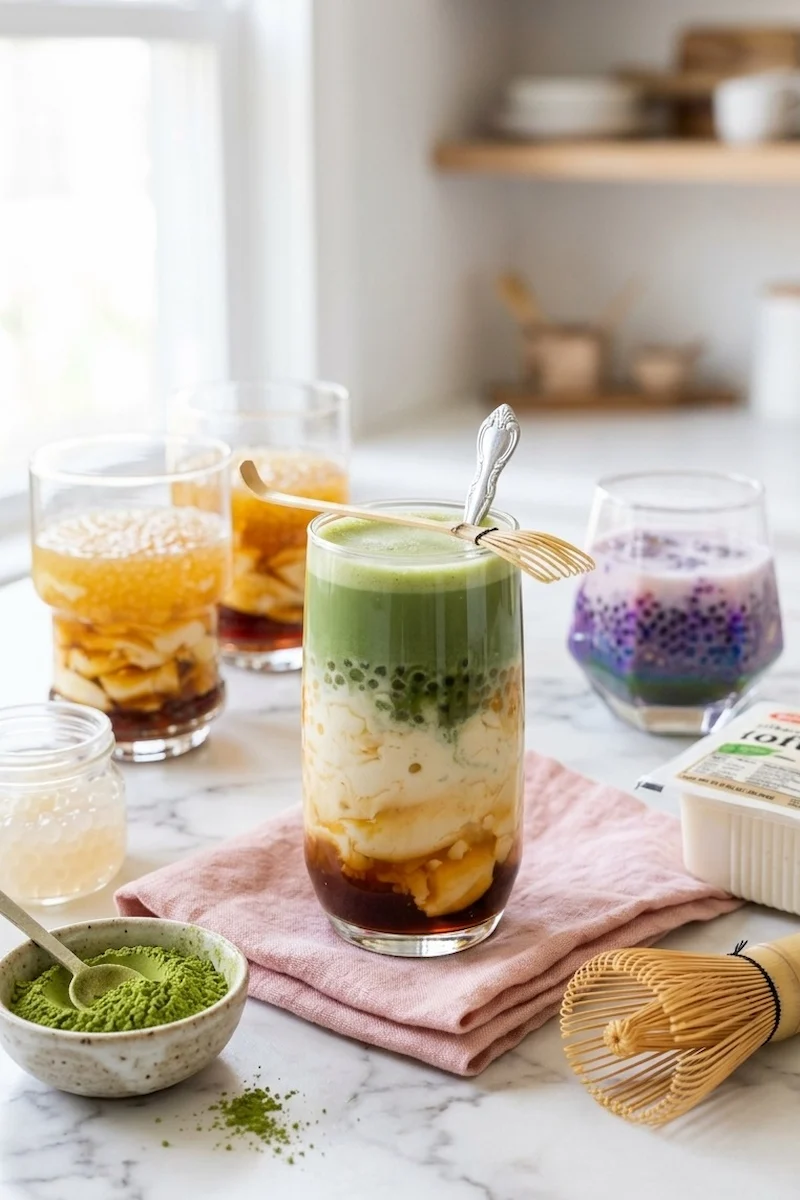
Matcha taho is what happens when you take one of the Philippines’ most beloved street foods and ask what it would taste like with one of Japan’s most iconic ingredients. The answer is surprisingly good. Warm silken tofu, chewy tapioca pearls, and a matcha syrup that is earthy, gently sweet, and layered with the distinctive umami quality that distinguishes good matcha from everything else that calls itself green tea.
Taho in its classic Filipino form is arnibal, a brown sugar syrup, poured over warm silken tofu with small tapioca pearls. Matcha taho replaces the arnibal with a whisked matcha syrup, shifting the flavor from simple caramel sweetness to something more complex: slightly bitter, faintly vegetal, and with the calm-alert quality that L-theanine in matcha produces in most people. The color shifts from amber to green, the flavor profile shifts from purely sweet to sweet-and-savory, and the result is a Filipino matcha dessert that fits comfortably in both traditions.
This guide covers the full recipe, ingredient sourcing and quality guidance, five variations including an iced version and a matcha-ube fusion, seven FAQ answers at full depth, and the technique details that separate good matcha taho from mediocre matcha taho. The whole thing takes 15 minutes.
Table of Contents
Quick Answer: The Perfect Matcha Taho
🍵 At a Glance: Matcha Taho
What Is Matcha Taho and Why Is It So Popular?
The Traditional Filipino Taho Legacy
Taho (pronounced TAH-ho) is a warm Filipino street food and breakfast drink made from fresh silken tofu, arnibal (a syrup of brown sugar or muscovado cooked with water and sometimes pandan leaf), and sago (small tapioca pearls). It has been sold by magtataho vendors, recognizable by their shoulder-pole containers and the distinctive call of “TAHO!” through residential neighborhoods every morning, for well over a century in the Philippines.
The Chinese origins of taho are in douhua, a silken tofu dessert that arrived with Chinese immigrant communities. In the Philippines, it became distinctly its own: served warm rather than cold, sweetened with local brown sugar, and embedded in the morning culture of residential neighborhoods as a communal, affordable, deeply familiar comfort food. Our complete guide to the classic preparation is in the ube taho recipe, which covers the tradition in full alongside the ube variation.
How Matcha Transforms Classic Taho
Matcha is finely stone-ground green tea powder made from shade-grown tea leaves (Camellia sinensis). The shading process before harvest increases chlorophyll and L-theanine production, which deepens the green color and increases the characteristic calm-alert effect. When whisked into hot water with a small amount of sweetener, it becomes a syrup with a flavor that is simultaneously bitter, umami-rich, slightly sweet, and distinctly its own.
In taho, matcha replaces arnibal with this more complex syrup. The result is not simply a less-sweet version of classic taho. It is a genuinely different flavor experience: the earthy, slightly grassy quality of the matcha contrasts with the clean neutrality of the silken tofu, and the chewy tapioca pearls provide the same textural relief they do in the classic version. Where arnibal taho is entirely in the register of comfort and sweetness, matcha taho sits in a more interesting place: comforting and unusual simultaneously.
Matcha is notably rich in EGCG (epigallocatechin gallate), one of the most studied polyphenol antioxidants in nutritional research. This places it in the same antioxidant-rich category as the purple foods covered in our purple peel weight loss guide, though through a different compound class (catechins vs anthocyanins) and with a different flavor profile.
Why Matcha Taho Went Viral
The visual appeal is immediate: warm white tofu, translucent tapioca pearls, and a vivid green syrup make for a striking combination that photographs dramatically with almost no effort. In an era when matcha has become one of the most photographed and shared food aesthetics globally, a Filipino street food format that showcases matcha in an unexpected way generates natural social media traction.
Beyond aesthetics, the health-conscious framing resonates with the same audience that has made matcha lattes, matcha smoothie bowls, and matcha energy balls mainstream. Matcha taho offers the familiar comfort of a warm, creamy, sweet breakfast alongside the antioxidant profile and gentle caffeine of matcha in a format that requires five ingredients and fifteen minutes. That combination of nutritional appeal and practical simplicity is exactly what drives sustained home cooking adoption.
The Science-Backed Benefits of Matcha Taho
Silken Tofu: Plant-Based Protein and Satiety
Silken tofu provides approximately 5 to 6 grams of complete protein per 100 grams: all nine essential amino acids in meaningful amounts, making it one of the few plant foods with a protein quality comparable to animal sources. Its fat content is primarily polyunsaturated, and its caloric density is low (approximately 55 kcal per 100 g). For a breakfast or snack, this combination of complete protein, low calories, and the satiating quality of a warm, creamy food produces genuine fullness that extends well beyond the immediate meal.
Silken tofu also contains isoflavones (primarily genistein and daidzein), plant compounds structurally similar to estrogen that have been studied for their potential role in supporting hormonal balance, particularly in perimenopausal women. The evidence is mixed and context-dependent; the relevant point for matcha taho is that silken tofu is a nutritionally substantive ingredient, not simply a neutral textural vehicle for the syrup.
Matcha’s Antioxidant and Cognitive Profile
Matcha’s nutritional distinctiveness comes from the way it is consumed: the entire ground leaf is ingested, not steeped and discarded like conventional green tea. This means matcha delivers significantly higher concentrations of all tea compounds per serving than steeped green tea does.
EGCG (epigallocatechin gallate): The primary catechin in matcha and the most studied green tea polyphenol. EGCG is a potent antioxidant with documented anti-inflammatory effects and preliminary evidence for supporting thermogenesis (increased caloric expenditure) at higher doses. In the amounts present in a typical two-teaspoon serving of matcha (approximately 50 to 100 mg of EGCG), the thermogenic effect is modest; the antioxidant effect is meaningful.
L-theanine: An amino acid found almost exclusively in tea. L-theanine modulates the alertness-inducing effect of caffeine by promoting alpha brain wave activity (associated with calm alertness) while reducing the anxiety and jitteriness that caffeine can produce alone. The combination of L-theanine and caffeine in matcha is consistently rated by users as producing a more focused, less agitated alertness than coffee. One to two teaspoons of matcha contains approximately 15 to 30 mg of caffeine and a comparable or higher amount of L-theanine.
Chlorophyll: The shade-growing process before harvest dramatically increases chlorophyll content in matcha relative to sun-grown green tea. Chlorophyll is responsible for matcha’s characteristic vivid green color. It has mild antioxidant properties and some traditional association with supporting liver function, though the evidence base for dramatic detox claims is weak. Its primary significance in matcha taho is the color it produces.
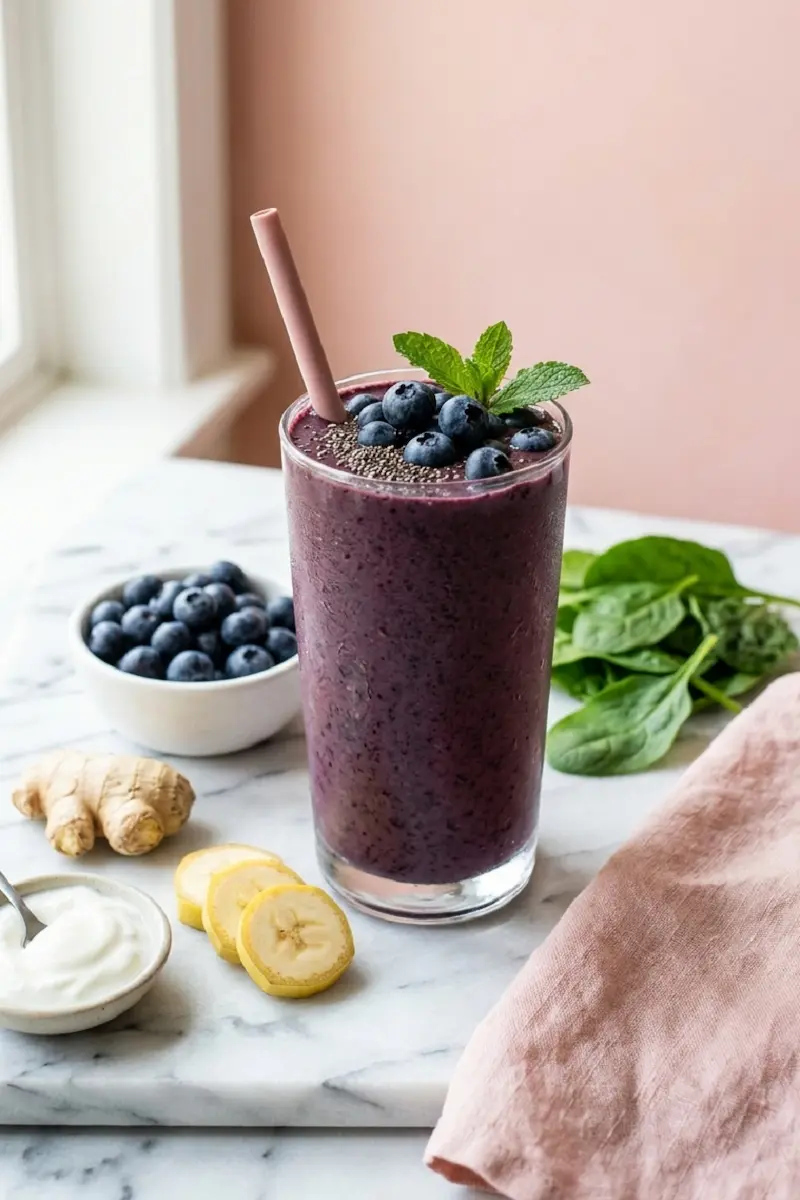
For a comparison of antioxidant-rich morning drink options, our flat belly blueberry smoothie guide covers the blueberry anthocyanin protocol with its distinct gut microbiome and insulin sensitivity mechanism. Matcha and blueberries address inflammation through different polyphenol pathways and can be used together in the same dietary routine.
Tapioca Pearls: Gluten-Free Textural Energy
Small tapioca pearls (sago) contribute primarily as a textural element in matcha taho: the gentle chew of the cooked pearls against the silky tofu and the smooth syrup is what makes the dish feel complete. Nutritionally, they are cassava starch, naturally gluten-free, easy to digest, and providing readily available carbohydrate energy with no meaningful protein or fat. Their glycemic impact is moderate to high (depending on cooking time; longer-cooked pearls with a more broken-down starch structure have a higher GI), moderated by the protein in the tofu and the L-theanine-mediated glucose metabolism effect of matcha.
Lower Sugar Impact Than Classic Taho
Classic arnibal taho uses a relatively generous amount of brown sugar or muscovado to achieve its characteristic sweetness. Matcha taho uses significantly less sweetener because matcha’s bitterness and umami complexity provide flavor depth that does not require sugar to feel satisfying. A typical serving of matcha taho uses one to two teaspoons of honey or maple syrup, compared to the two to three tablespoons of brown sugar syrup in classic taho. This reduction in added sugar, combined with the protein from the tofu and the glucose-moderating effects of L-theanine and EGCG, produces a more moderate postprandial blood sugar response than the arnibal version.
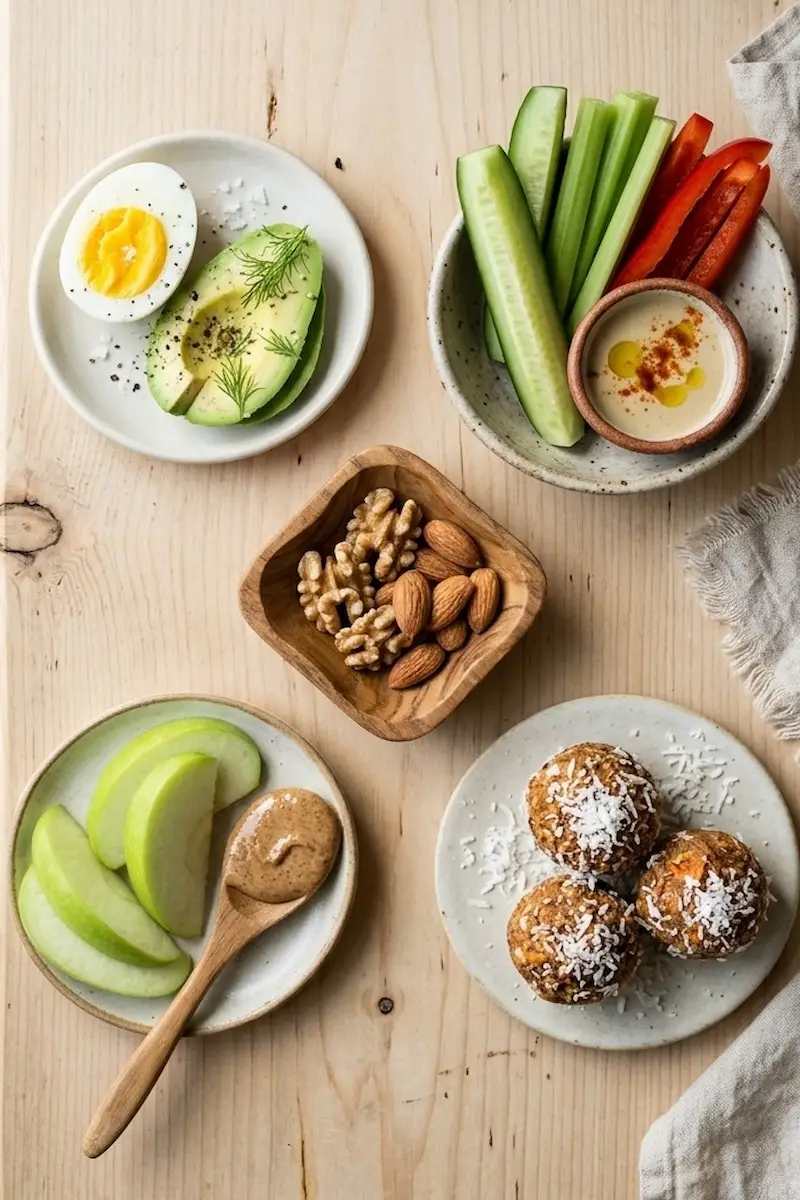
For a complete framework on snacking and eating patterns that manage blood sugar throughout the day, our Mark Hyman snack ideas guide covers the Pegan approach to balanced eating that makes this kind of mindful ingredient swap part of a broader daily strategy.
The Best Matcha Taho Recipe: Step-by-Step
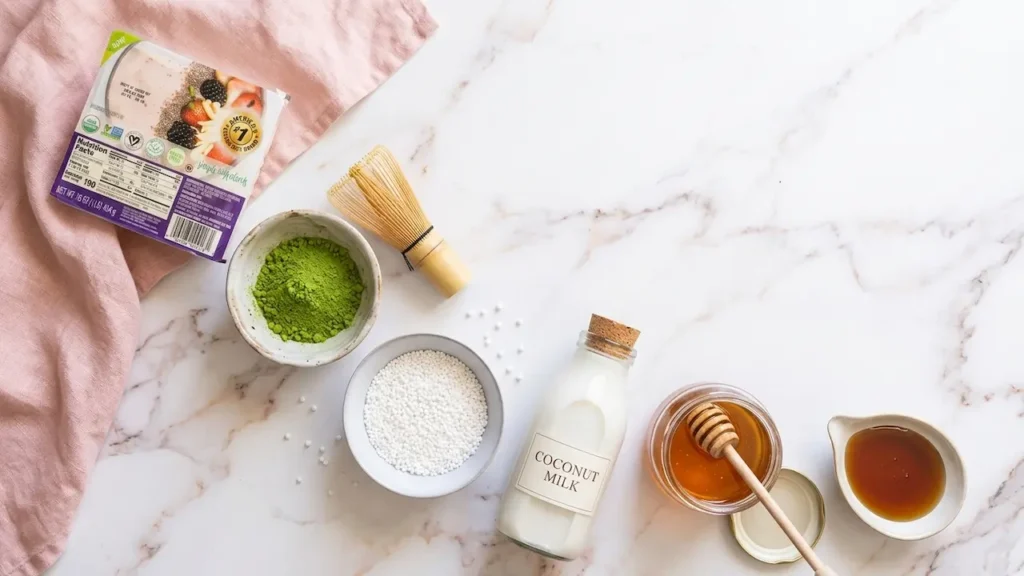
The Functional Ingredient Stack
| Ingredient | Amount | Notes and substitutions |
| Silken tofu | 400 g (1 block) | Japanese-style preferred (Morinaga, Nasoya); do not use firm or extra-firm |
| Matcha powder | 2 to 3 teaspoons | Culinary grade for everyday use; ceremonial grade for special occasions or gifting |
| Small tapioca pearls (sago) | 80 g (1/2 cup dry) | Small pearls only; large bubble tea pearls need 30+ minutes of cooking |
| Honey or maple syrup | 2 to 3 tablespoons | Maple syrup for fully vegan version; agave works but is sweeter per volume |
| Hot water for matcha | 80 ml (1/3 cup) | Critical: 80°C (175°F) maximum. Boiling water makes matcha bitter |
| Coconut milk (optional) | 2 to 3 tablespoons | Adds creaminess to the matcha syrup; particularly good in the iced variation |
| Vanilla extract (optional) | 1/4 teaspoon | Rounds the matcha’s bitterness; recommended for first-time taho makers |
| Water for tapioca | At least 1 litre | Generous water prevents sticking during cooking |
Step-by-Step Preparation
Step 1: Cook the tapioca pearls.
Bring at least 1 liter of water to a rolling boil in a medium saucepan. Add the dry tapioca pearls immediately and stir to prevent clumping. Cook over medium-high heat, stirring every 2 minutes, for 10 to 12 minutes for small pearls. They are ready when mostly translucent with a tiny white dot remaining at the center. Remove from heat, cover, and rest for 5 minutes: this steam-finish step cooks the center through without mushifying the exterior.
Drain through a fine mesh strainer and rinse briefly with warm (not cold) water. Transfer to a small bowl and toss with half a teaspoon of honey to prevent sticking while you prepare the remaining components. Keep warm.
Step 2: Make the matcha syrup.
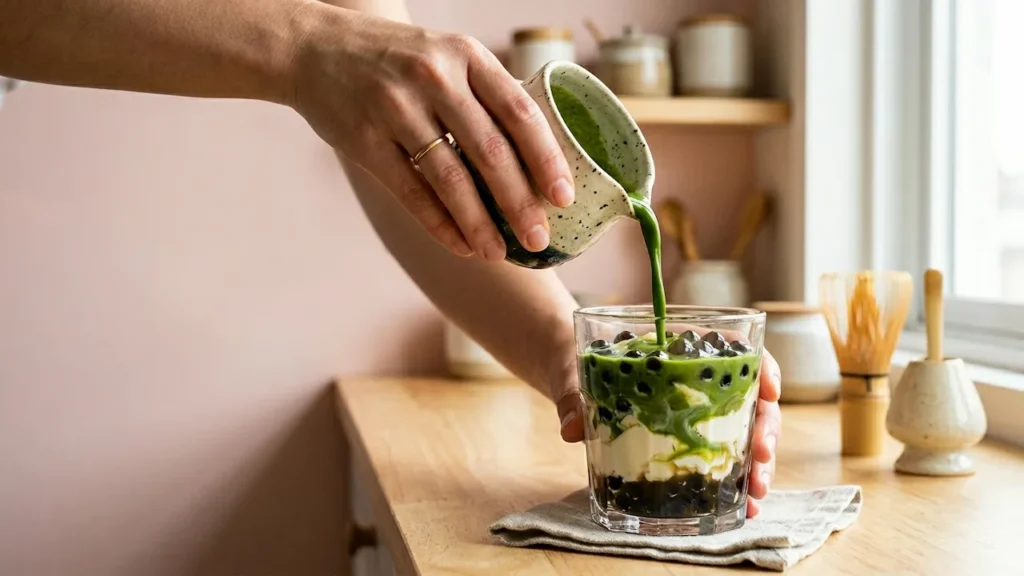
Sift the matcha powder through a fine mesh sieve directly into a small bowl or measuring jug. This step is not optional: unsifted matcha clumps when water is added and produces a lumpy, poorly incorporated syrup. Add the hot water at 80°C (175°F): use a thermometer for precision or bring water to a full boil and let it rest for exactly 3 minutes before using it.
Whisk the matcha and water using a bamboo chasen (the traditional bamboo whisk used in Japanese tea ceremonies) using a rapid W or M motion, not a circular stirring motion. A milk frother works as a substitute but produces a slightly coarser result. Whisk for 20 to 30 seconds until the matcha is fully dissolved and the mixture is smooth and slightly frothy.
Add the honey or maple syrup and whisk briefly to incorporate. Taste and adjust sweetness. If adding coconut milk and vanilla extract, stir them in now. The finished syrup should be smooth, uniformly green, and pourable.
Step 3: Warm the silken tofu.
Silken tofu is fragile and requires gentle handling. Remove the block from its packaging, drain the liquid, and place it in a shallow bowl. Set the bowl in a larger pan of hot (not simmering, not boiling) water as a water bath. Let it warm for 5 minutes. Alternatively, microwave on 50% power for 30 seconds; the reduced power prevents the hot spots that cause silken tofu to pop and break.
To serve, use a wide, shallow spoon and scoop the tofu in smooth, flowing motions rather than pressing straight down. This produces the characteristic soft, irregular scoops that magtataho vendors create effortlessly. The technique takes one or two attempts to feel natural.
Step 4: Layer and serve.
Into each serving bowl or cup, scoop two to three spoonfuls of warm silken tofu. Add one to two tablespoons of cooked tapioca pearls on top. Pour two to three tablespoons of the matcha syrup over everything, letting it settle down through the pearls to the tofu. Serve immediately while warm. The color contrast between the white tofu, translucent pearls, and vivid green syrup is at its most striking in the first two minutes of serving.
⏱️ Pro Tip: Make Matcha Syrup Last
For the brightest flavor and most vibrant color, prepare the matcha syrup after the tapioca pearls are cooked and the tofu is warming. Here’s why timing matters:
💡 Rule of thumb: Cook pearls → warm tofu → then whisk matcha syrup. Serve immediately for the best experience!
Matcha Quality: What to Look for and What to Avoid
| Grade | Color | Flavor | Price | Best for in matcha taho |
| Ceremonial grade | Vivid, bright green | Smooth, umami-rich, minimal bitterness | Higher ($25-50+ per 30g) | Special occasions, gifting, maximum EGCG content |
| Premium culinary grade | Vibrant green | Slightly more bitter than ceremonial, still smooth | Mid-range ($15-30 per 30g) | Everyday matcha taho; excellent balance of quality and cost |
| Standard culinary grade | Medium green | Noticeably bitter, less complex | Lower ($8-15 per 30g) | Acceptable; use slightly less to manage bitterness |
| Avoid: unknown origin/blends | Dull green, brownish tint | Harsh, one-dimensional bitterness | Very low | Produces an unpleasant syrup regardless of technique |
🍵 Pro Tip: Sourcing Quality Matcha
The quality difference between Japanese and Chinese-produced matcha is significant. Here’s how to choose wisely:
💡 Rule of thumb: If the package doesn’t specify “Japanese matcha” or name a Japanese region, it’s probably not worth buying for this recipe.
Matcha Taho

Warm silken tofu topped with chewy tapioca pearls and a smooth, vibrantly green matcha syrup. This Filipino-Japanese fusion dessert is ready in just 15 minutes and can be enjoyed warm or iced. Naturally vegan with maple syrup and naturally gluten-free.
- Prep Time: 5 minutes
- Cook Time: 10 minutes
- Total Time: 15 minutes
- Yield: 4 servings 1x
- Category: Dessert
- Method: Stovetop
- Cuisine: Filipino-Japanese Fusion
- Diet: Vegan
Ingredients
- 400 g silken tofu (Japanese-style preferred)
- 2 to 3 teaspoons matcha powder, sifted
- 80 g small tapioca pearls (sago)
- 80 ml hot water (80°C / 175°F)
- 2 to 3 tablespoons honey or maple syrup
- 2 tablespoons coconut milk (optional)
- 1/4 teaspoon vanilla extract (optional)
- 1 liter water, for cooking tapioca pearls
Instructions
- Bring 1 liter of water to a rolling boil.
- Add the tapioca pearls and stir immediately to prevent sticking.
- Cook for 10 to 12 minutes until the pearls become translucent.
- Remove from heat, cover, and let rest for 5 minutes.
- Drain and rinse the pearls with warm water.
- Toss the cooked pearls with 1/2 teaspoon honey or maple syrup to prevent sticking.
- Sift the matcha powder into a bowl.
- Add the hot water and whisk in a W or M motion for 20 to 30 seconds until smooth and frothy.
- Add the honey or maple syrup, coconut milk, and vanilla extract if using.
- Stir until fully combined and adjust sweetness to taste.
- Warm the silken tofu by placing it in a hot water bath for 5 minutes or microwaving at 50% power for 30 seconds.
- Scoop 2 to 3 spoonfuls of warm tofu into each serving bowl.
- Top each serving with 1 to 2 tablespoons of cooked tapioca pearls.
- Pour 2 to 3 tablespoons of matcha syrup over the tofu and pearls.
- Serve immediately while warm.
Notes
- Water temperature is critical for matcha. Do not exceed 85°C (185°F) or the syrup may become bitter.
- Always sift matcha powder before whisking to prevent lumps.
- Matcha syrup is best enjoyed within 10 minutes of preparation for optimal flavor and color.
- For an iced version, chill all components separately and assemble over ice before serving.
- Use ceremonial-grade matcha for the smoothest flavor and brightest green color.
- Maple syrup keeps the recipe completely vegan.
- Serve immediately after assembly for the best texture.
Nutrition
- Serving Size: 1 serving
- Calories: 145
- Sugar: 10g
- Sodium: 20mg
- Fat: 4g
- Saturated Fat: 2g
- Unsaturated Fat: 2g
- Trans Fat: 0g
- Carbohydrates: 26g
- Fiber: 1g
- Protein: 6g
- Cholesterol: 0mg
Strategic Pairing: Complete Your Matcha Taho Experience
Best Beverages to Pair with Matcha Taho
Matcha taho already contains matcha, which provides mild caffeine. Pairing beverages should either complement the matcha flavor or provide contrast without competing with it.
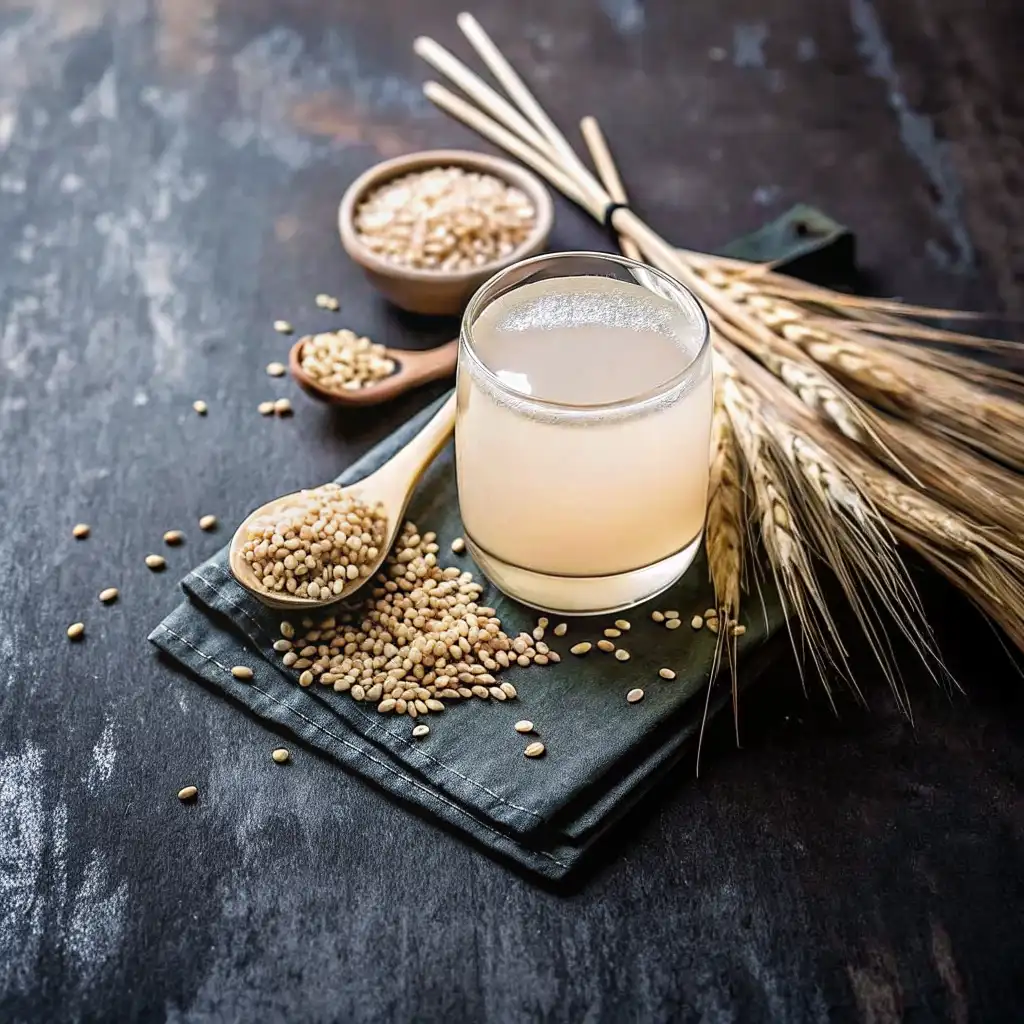
Roasted barley tea (mugicha): The classic choice from both Japanese and Korean food culture for pairing with sweet or matcha-forward foods. Its toasty, gently bitter quality provides a clean contrast to the creamy sweetness of the taho without adding any caffeine. Our roasted barley tea guide covers preparation and the prebiotic gut health benefits of regular consumption, making it a useful daily companion drink regardless of what it is paired with.
Warm lemon water: A squeeze of fresh lemon in hot water, consumed alongside matcha taho, provides palate-cleansing citrus acidity and supports digestive enzyme activity. The simplest and most neutral pairing choice that does not compete with any flavor in the taho.
Cold brew green tea: For confirmed matcha enthusiasts, cold brew sencha or gyokuro (shade-grown green tea, the whole-leaf version of the same tea used to make matcha) alongside matcha taho creates a layered green tea experience. The cold brew is lighter and more delicate; the matcha syrup is richer and more concentrated. The contrast is interesting rather than redundant.
When to Enjoy Matcha Taho
Morning, before or with breakfast: The mild caffeine from the matcha (35 to 70 mg per serving, depending on the amount of powder used) provides a gentle, L-theanine-moderated alertness without the sharp onset and crash of coffee. Combined with the protein from the tofu, this is a genuinely functional morning food for people who want energy and satiety without a large or complex breakfast preparation.
Afternoon merienda (3 to 4 pm): The traditional Filipino merienda window is also the window when most people experience an afternoon energy dip. Matcha’s caffeine at this time is late enough to provide energy for the remaining work day and early enough to not disrupt sleep in most people who are not highly caffeine-sensitive. The tofu’s protein bridges the gap to dinner without requiring a calorie-heavy snack.
Pre-workout: 30 to 45 minutes before light to moderate exercise, matcha taho provides L-theanine-modulated caffeine for focus and endurance, easily digestible carbohydrates from the tapioca pearls for energy substrate, and protein from the tofu for pre-exercise muscle priming. It is light enough not to cause digestive discomfort during activity.
Post-meal light dessert: A small portion (half the standard serving) after a protein-rich main course like our low-carb cobb salad serves the psychological function of dessert without the caloric density. The matcha’s bitterness provides a natural end to the meal that signals the brain that eating is done, in the same way that coffee or tea after dinner does for many people.
Matcha Taho Variations and Customizations
Classic Matcha Taho (The Base Recipe)
The recipe above is the starting point. Silken tofu, matcha syrup with honey or maple syrup, and small tapioca pearls. Served warm. Vibrantly green. This is the version to master before exploring variations, because understanding what the base should taste like (clean, earthy, gently sweet, with the characteristic matcha umami) gives you a reference point for calibrating the variations.
Vegan Matcha Taho
The base recipe is already plant-based if you use maple syrup or agave instead of honey. Silken tofu is made from soy milk. Tapioca pearls are made from cassava starch. Matcha is ground tea leaves. There is nothing to modify beyond the sweetener choice. This makes it one of the most effortlessly vegan warm desserts available, requiring no substitutions or specialty products. If you want additional creaminess in the matcha syrup for the vegan version, two tablespoons of full-fat coconut milk whisked into the matcha syrup before serving adds richness without any animal products.
Low-Sugar Matcha Taho
Because matcha’s bitterness and umami complexity provide genuine flavor depth, this version requires very little sweetener to taste complete. Reduce the honey or maple syrup to one teaspoon per serving and substitute the remainder with three to four drops of liquid monk fruit extract or a small amount of powdered stevia. The matcha’s natural bitterness becomes more forward at reduced sweetness, which some people find more interesting and more adult-tasting than the standard version. Start with one teaspoon of honey and one teaspoon equivalent of monk fruit and adjust from there.
Matcha Taho Smoothie Bowl
Blend 200 g silken tofu with one teaspoon of matcha powder, one medium frozen banana, and 60 ml of coconut milk until completely smooth. Pour into a bowl and top with two tablespoons of cooked tapioca pearls, granola, fresh sliced kiwi or mango, toasted coconut flakes, and a drizzle of additional matcha syrup. The frozen banana provides thickness, natural sweetness, and creaminess; the matcha provides the flavor and color. The result is a substantial breakfast bowl with a matcha taho flavor in a smoothie bowl format. Our ube banana pudding explores a similar concept with ube as the base flavor.
Iced Matcha Taho
The summer version. Prepare all components in advance and chill them separately in the refrigerator. Make the matcha syrup and refrigerate for up to 4 hours (longer and the flavor begins to flatten). Cook the tapioca pearls and keep them in a small amount of simple syrup in the fridge. Chill the silken tofu in its original packaging. To serve: add a handful of ice to each cup, then layer cold tofu, cold pearls, and cold matcha syrup. The cold tofu has a slightly firmer texture than warm; the cold matcha syrup is thicker and settles around the pearls more slowly, creating visible layering. Particularly good with the coconut milk addition to the syrup, which gives the iced version a Thai iced tea-adjacent quality.
Matcha Ube Taho (Green and Purple Fusion)
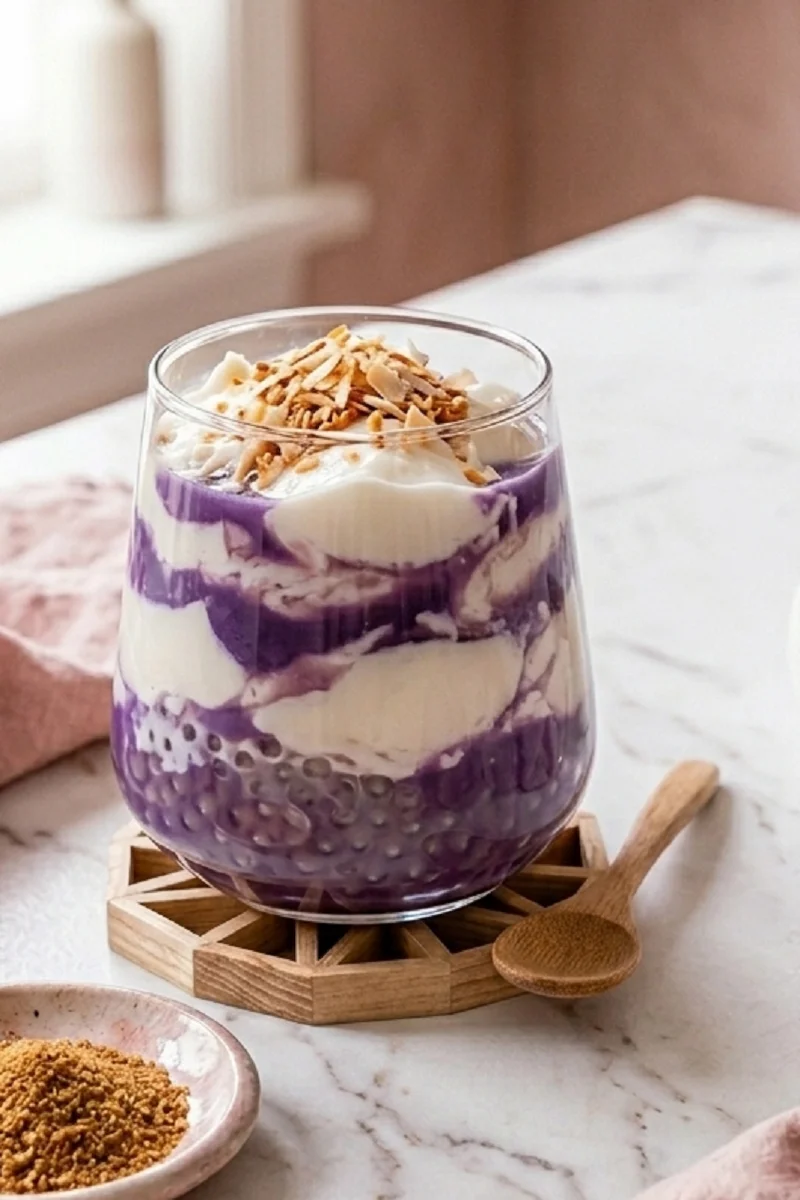
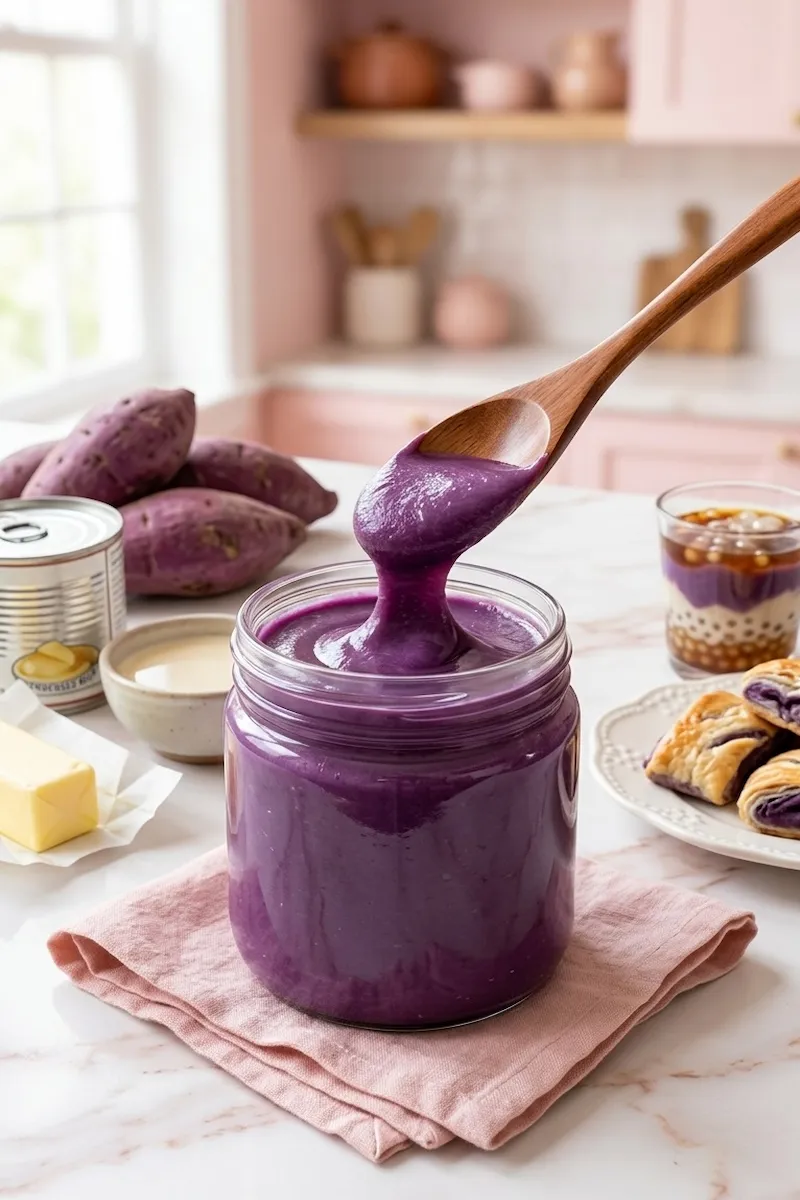
The most visually striking variation: prepare both a matcha syrup and a warmed, thinned ube syrup (ube halaya loosened with coconut milk, as described in the ube halaya recipe). Layer them over the same bowl of warm silken tofu and tapioca pearls, pouring the purple ube syrup first around the edges of the bowl and the green matcha syrup in the center. The colors contrast dramatically and do not muddy into each other if poured carefully. The flavor combination is genuinely excellent: the earthy, slightly grassy matcha and the sweet, nutty ube are complementary rather than competing. This is the version to serve at a gathering when you want something that generates immediate visual impact.
Frequently Asked Questions About Matcha Taho
What does matcha taho taste like?
Matcha taho tastes like a warm, creamy dessert that is simultaneously familiar and unusual. The silken tofu itself has almost no flavor of its own: it contributes a clean, neutral creaminess and a texture somewhere between a very soft panna cotta and warm custard. The matcha syrup is where the distinctive character lives: earthy, slightly bitter, with a faint sweetness, and a quality that is often described as “umami,” a savory depth that green tea has and most other sweets do not. The tapioca pearls add gentle chewiness. Together the effect is lighter and more complex than classic arnibal taho: less straightforwardly sweet, more layered in flavor, with the mild alert-calm quality that matcha’s L-theanine produces in most people. First-time tasters often say it is “not what I expected” in a positive sense.
Is matcha taho healthy?
Relative to most desserts, matcha taho is nutritionally substantive. One serving provides 5 to 6 grams of complete plant protein from the silken tofu, 35 to 70 mg of caffeine with L-theanine from the matcha (producing a gentler, more sustained alertness than coffee), meaningful EGCG antioxidant content, and approximately 130 to 160 calories depending on how much sweetener is used. The low sweetener requirement (compared to arnibal taho) means less added sugar per serving than the classic version. It is not a meal, but as a breakfast accompaniment or afternoon snack, it is a considerably more nutritionally interesting option than most sweet drinks or pastries. People managing blood sugar should note the moderate carbohydrate content from tapioca pearls; pairing with additional protein or fat at the same meal improves the glycemic response.
Can I use regular green tea instead of matcha?
You can make a green tea syrup by steeping high-quality green tea in water below 80°C and sweetening it, and the result will be pleasant. It is not matcha taho, however. The flavor difference is significant: steeped green tea is lighter, more delicate, and lacks the concentrated earthy umami depth of ground matcha. The color difference is also significant: steeped tea produces a pale yellow-green liquid that lacks the vivid green of a matcha syrup. If you have green tea but not matcha, the tea syrup version makes a genuinely nice taho, but it is a different drink. For the flavor and color that the recipe describes, matcha powder is necessary.
Where can I buy matcha powder?
Culinary-grade Japanese matcha is now available at most well-stocked supermarkets (look in the tea or specialty food aisle), at health food stores, at Asian and Japanese grocery stores, and online. Amazon, Japanese specialty retailers, and dedicated matcha brands (Ippodo, Marukyu Koyamaen, Encha, and Matchabar) all ship directly to consumers. For matcha taho made regularly, a 30-gram tin of culinary-grade matcha at a reputable Japanese brand is the most practical choice: it is affordable for daily use, stores well when sealed and refrigerated, and produces a consistently good syrup. Avoid purchasing matcha in bulk bags from unknown sources online; quality degrades rapidly without proper packaging.
How long does matcha taho keep?
The assembled matcha taho should be consumed immediately. The individual components store separately: cooked tapioca pearls keep for up to 2 days refrigerated in a small amount of simple syrup (they harden in the fridge; reheat gently in warm water before serving). Silken tofu keeps for up to 2 days after opening, stored in cold water in a sealed container with the water changed daily. The matcha syrup is the most time-sensitive component: it is best consumed within 10 minutes of preparation, as the catechins oxidize on contact with air and the flavor flattens noticeably after 30 minutes. Do not make the syrup ahead of time for this reason. If you want to prep in advance for a gathering, cook the tapioca pearls and have the matcha powder and other components measured and ready; whisk the syrup fresh at the last moment.
Can I make matcha taho ahead of time?
Partial prep is possible; full assembly in advance is not recommended. You can cook the tapioca pearls up to a day ahead and store them refrigerated. You can have the silken tofu ready to warm. But the matcha syrup should always be made fresh immediately before serving, and the tofu should be warmed and assembled no more than 5 minutes before eating. The assembled bowl does not keep well: the matcha syrup permeates the tofu and makes it increasingly saturated, the tapioca pearls absorb liquid and swell, and the visual distinction between the layers disappears within 20 to 30 minutes. For a gathering, the most practical approach is a DIY assembly station where guests layer their own components at the moment of serving.
What is the difference between ceremonial-grade and culinary-grade matcha?
Both grades come from high-quality shade-grown tea leaves (Camellia sinensis), but the differences in processing and intended use are meaningful. Ceremonial-grade matcha uses only the youngest, most tender leaves from the first harvest of the season (ichibancha), stone-ground to an extremely fine powder. The resulting matcha is smooth, minimally bitter, and has a pronounced sweet umami flavor that is designed to be consumed in a small amount of very hot water with no sweetener, in the way prescribed by the Japanese tea ceremony. Culinary grade uses leaves from later harvests or slightly less tender leaves, ground to a fine powder, producing matcha that is slightly more bitter and less nuanced but still vibrant and flavorful. In matcha taho, where sweetener, tofu, and tapioca pearls are all present, culinary grade is perfectly appropriate and considerably more economical for everyday use. Ceremonial grade is worth using in matcha taho when you want the very smoothest, least bitter, most elegant version, particularly for serving guests.
Common Mistakes That Ruin Matcha Taho
Using Boiling Water for the Matcha Syrup
This is the single most consequential technique error in matcha taho preparation. Water above approximately 85°C denatures the delicate catechin compounds in matcha and destroys the amino acids (including L-theanine) that contribute to the smooth, sweet, umami quality of good matcha. The result is an intensely bitter, harsh, flat-tasting syrup that no amount of sweetener fully corrects. The correct temperature is 78 to 80°C (172 to 176°F). Without a thermometer, the practical approach is to bring water to a full boil, remove it from heat, and wait exactly 3 minutes before using. This reliably brings standard boiling water to approximately the right temperature range. If you make matcha regularly, a gooseneck kettle with a temperature setting is the most practical investment for consistently good results.
Not Sifting the Matcha Powder
Matcha powder is extremely fine and clumps on contact with any moisture in the air. Unsifted matcha poured directly into hot water produces visible clumps that do not fully dissolve even with vigorous whisking, creating a grainy-textured syrup with inconsistent flavor and color. Sifting takes 15 seconds and completely solves this problem. Use a fine mesh sieve and tap or stir the powder through it directly into your whisking bowl. This is not a technique refinement; it is a functional requirement for a smooth syrup.
Overcooking the Tapioca Pearls
As with all taho preparations, the tapioca pearls are the component most sensitive to timing. Overcooked pearls (beyond 15 minutes at a rolling boil without the steam-finish rest) lose their characteristic chew and collapse into a starchy paste that neither looks nor feels right. The cooking window for small tapioca pearls is 10 to 12 minutes at a rolling boil, followed by 5 minutes covered off heat. Test a pearl at the 10-minute mark: bite it in half. The outer layer should be soft and gel-like; the center should have just a small firm dot remaining. Covered rest for 5 minutes finishes the center. Drain and use promptly; tapioca pearls continue to soften in their own heat even after draining.
Using Low-Quality Matcha
The matcha syrup in matcha taho has nowhere to hide. Unlike matcha in a baked good, where other flavors mask quality differences, the matcha syrup in taho is tasted directly. Low-quality matcha, recognizable by a dull or brownish-green color (rather than vivid, bright green), a harsh rather than complex bitterness, and a flat rather than umami-rich flavor, produces a syrup that is simply unpleasant regardless of how carefully the temperature and whisking technique are executed. The investment in decent culinary-grade Japanese matcha, approximately $15 to $20 for a 30-gram tin that makes 20 to 25 servings, is the single most impactful quality improvement you can make in this recipe.
Conclusion: A Modern Twist on a Filipino Classic
Matcha taho is a 15-minute recipe that asks almost nothing in terms of technique and delivers something genuinely special in return. The silken tofu provides a protein-rich, low-calorie base with a texture that has no real equivalent in Western cooking. The matcha syrup provides antioxidant depth, L-theanine-modulated caffeine, and a flavor complexity that arnibal taho does not have. The tapioca pearls provide the chewy, joyful textural contrast that makes taho feel complete.
Master the temperature for the matcha water. Sift the powder every time. Use the steam finish for the tapioca pearls. Give the tofu its water bath. These four techniques, applied consistently, are the difference between a mediocre bowl and one worth making again.
The matcha-ube fusion variation, layering green matcha syrup and purple ube syrup over the same bowl, is particularly worth trying once the classic version is comfortable. The color contrast alone makes it one of the most visually striking things you can make in under 20 minutes. Both the ube taho recipe and the ube halaya recipe on this site give you everything you need for that version.
🍵 Love This Green Tea Twist?
Save our matcha taho recipe to Pinterest! Get all 4 easy steps, matcha quality tips, and the perfect syrup technique—all in one beautiful, easy-to-reference pin.
📌 Save Recipe on Pinterest →Join thousands making this refreshing Filipino-Japanese fusion at home!
📖 Related Reading: Your Asian Fusion & Wellness Toolkit
Explore Filipino fusion recipes, antioxidant science, and balanced meal ideas
🇵🇭 More Filipino fusion and wellness recipes at JoyfulBiteRecipes.com